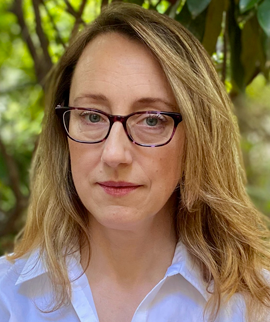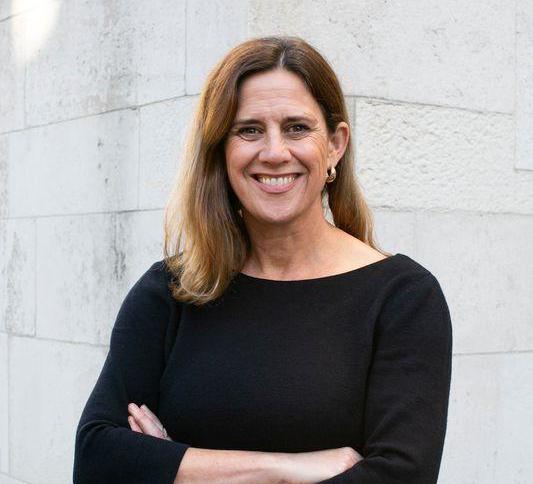
CIVICUS speaks with Dame Barbara M Stocking about the need to develop a new pandemic treaty anchored in solidarity, transparency, accountability and equity.
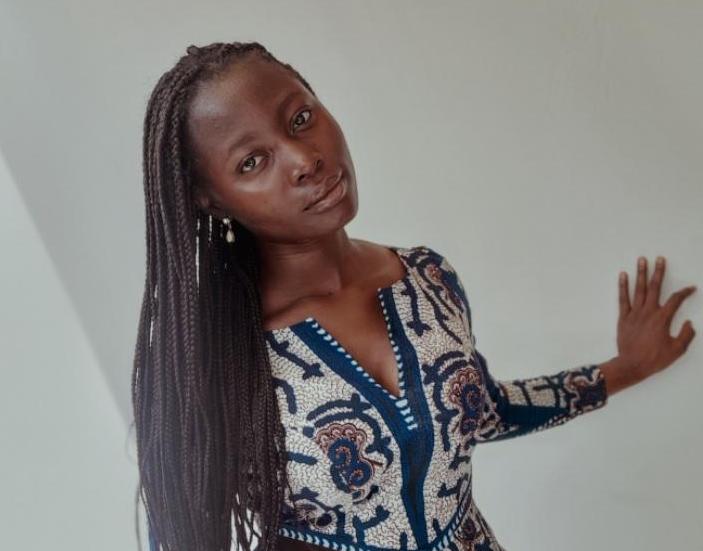
CIVICUS speaks with Benedicta Chisom about the current student mobilisation that is calling on Nigeria’s government to respond to teachers’ demands and end the strike by the Academic Staff Union of Universities (ASUU).
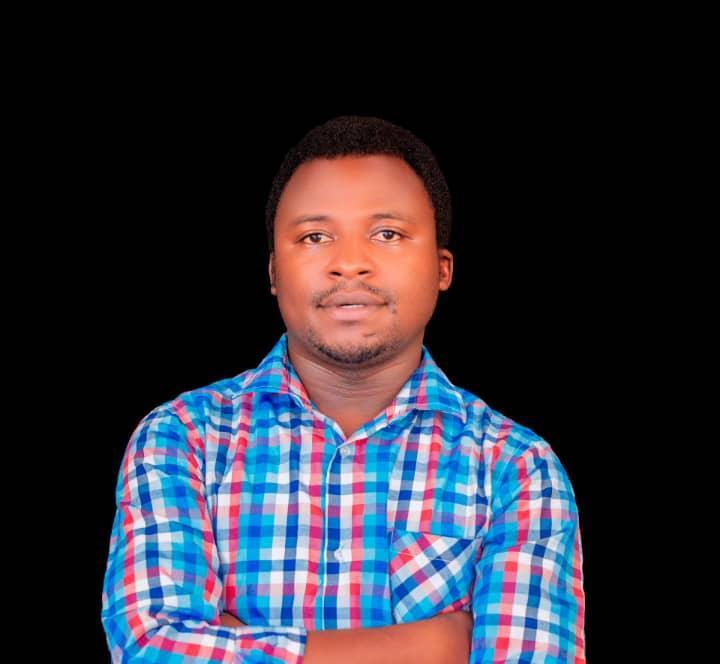
CIVICUS speaks with Olorunfemi Adeyeye about the current student mobilisation that is calling on Nigeria’s government to respond to teachers’ demands and end the strike by the Academic Staff Union of Universities (ASUU).
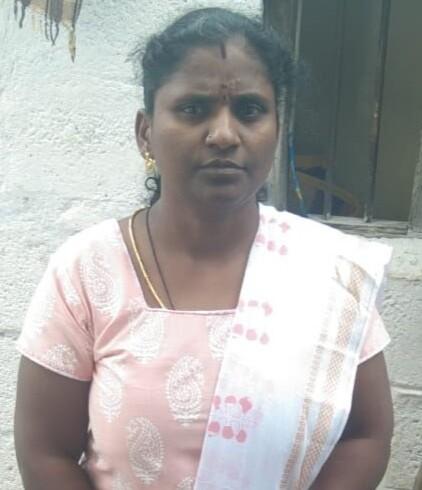
CIVICUS speaks about a recent labour rights victory in India’s garment industry with Jeeva M, General Secretary of the Tamil Nadu Textile and Common Labour Union (TTCU).
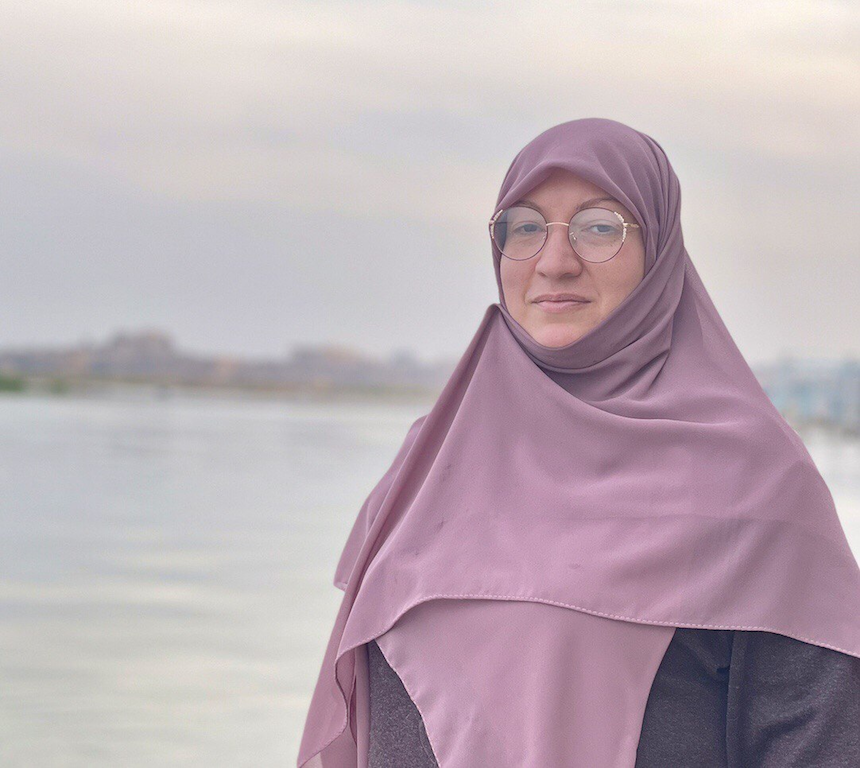
CIVICUS speaks about the recent ban on the hijab, a headscarf worn by Muslim women, in educational institutions in the Indian state of Karnataka with Zakia Soman, a women’s rights activist and co-founder of the Bharatiya Muslim Mahila Andolan (Indian Muslim Women's Movement, BMMA).
CIVICUS speaks about the criminalisation of environmental, land and territorial defenders in Honduras with Edy Tábora, director of the law firm Justicia para los Pueblos (Justice for the Peoples) and coordinator of the group of defence lawyers of eight defenders of the Guapinol river who were recently released from detention.
CIVICUS speaks about the recent ban on the hijab, a headscarf worn by Muslim women, in educational institutions in the Indian state of Karnataka with Aiman Khan and Agni Das of the Quill Foundation.
CIVICUS speaks about the recent ban on the hijab, a headscarf worn by Muslim women, in educational institutions in the Indian state of Karnataka with Syeda Hameed, co-founder and board member of the Muslim Women’s Forum (MWF).
CIVICUS speaks about the recent civil society victory in eliminating state-imposed forced labour in Uzbekistan’s cotton industry with Allison Gill, a human rights lawyer and Forced Labour Director at the Global Labour Justice - International Labour Rights Forum (GLJ-ILRF).
CIVICUS speaks about the East African Crude Oil Pipeline (EACOP) project and its potential impacts on the climate and on the health and livelihoods of local communities with Nyombi Morris, founder of Earth Volunteers.
CIVICUS speaks about the East African Crude Oil Pipeline (EACOP) project and its potential impacts on the climate and on the health and livelihoods of local communities with Tanzanian climate justice activist Baraka Lenga.
CIVICUS speaks about the East African Crude Oil Pipeline (EACOP) project and its potential impacts on the climate and on the health and livelihoods of local communities with Omar Elmawi, coordinator of the Stop the East African Crude Oil Pipeline (#StopEACOP).
CIVICUS speaks about protests in response to deepening economic crisis in Sri Lanka with Ruki Fernando, a human rights activist, writer and consultant to the Centre for Society and Religion (CSR) in Colombo.
CIVICUS speaks about protests in Sri Lanka in response to the country’s deepening economic crisis and civil society’s role in supporting protesters with human rights lawyer Bhavani Fonseka of the Centre for Policy Alternatives (CPA).
CIVICUS speaks with Edoardo Zanchini, National Vice President of Legambiente Onlus, about the recent legislative vote that introduced environmental protections in the Italian Constitution, and civil society’s role in making it happen.
CIVICUS speaks about women’s rights and the United Nations (UN) Commission on the Status of Women (CSW) with Helen McEachern, CEO of the Cherie Blair Foundation for Women.
CIVICUS speaks about women’s participation and the United Nations (UN) Commission on the Status of Women (CSW) with Zarin Hainsworth, director of the National Alliance of Women's Organisations (NAWO), a UK civil society network that works for women’s empowerment by advocating for women’s rights at the national and international levels.
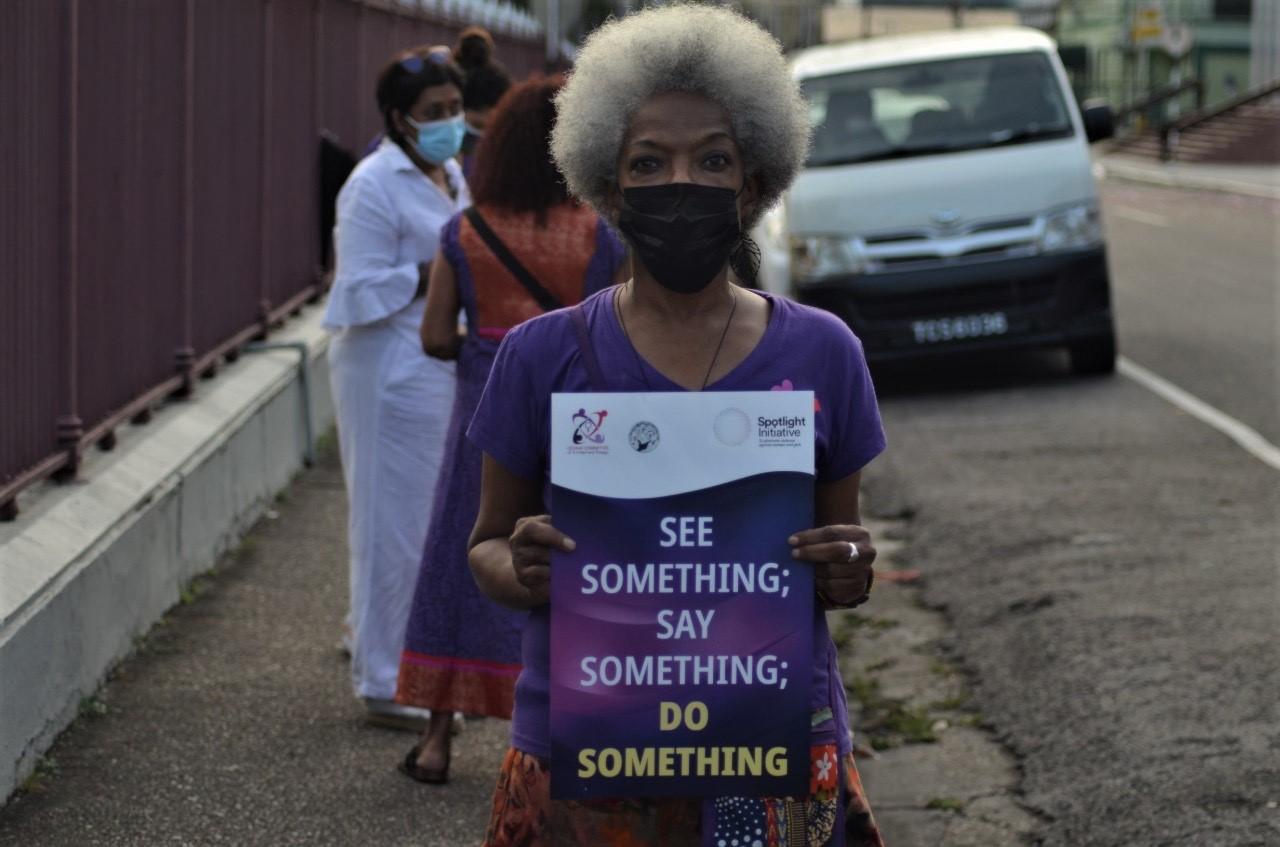
CIVICUS speaks about women’s rights and the United Nations (UN) Commission on the Status of Women (CSW) with Terry Ince, founder, and convenor of the CEDAW Committee of Trinidad and Tobago (CCoTT), a civil society organisation (CSO) focused on advocacy, education, and public awareness on and for the Convention for the Elimination of All Forms of Discrimination Against Women (CEDAW).
CIVICUS speaks about women’s human rights and the United Nations (UN) Commission on the Status of Women (CSW) with Wanun Permpibul of Climate Watch Thailand (CWT) and Misun Woo of the Asia Pacific Forum on Women, Law and Development (APWLD).
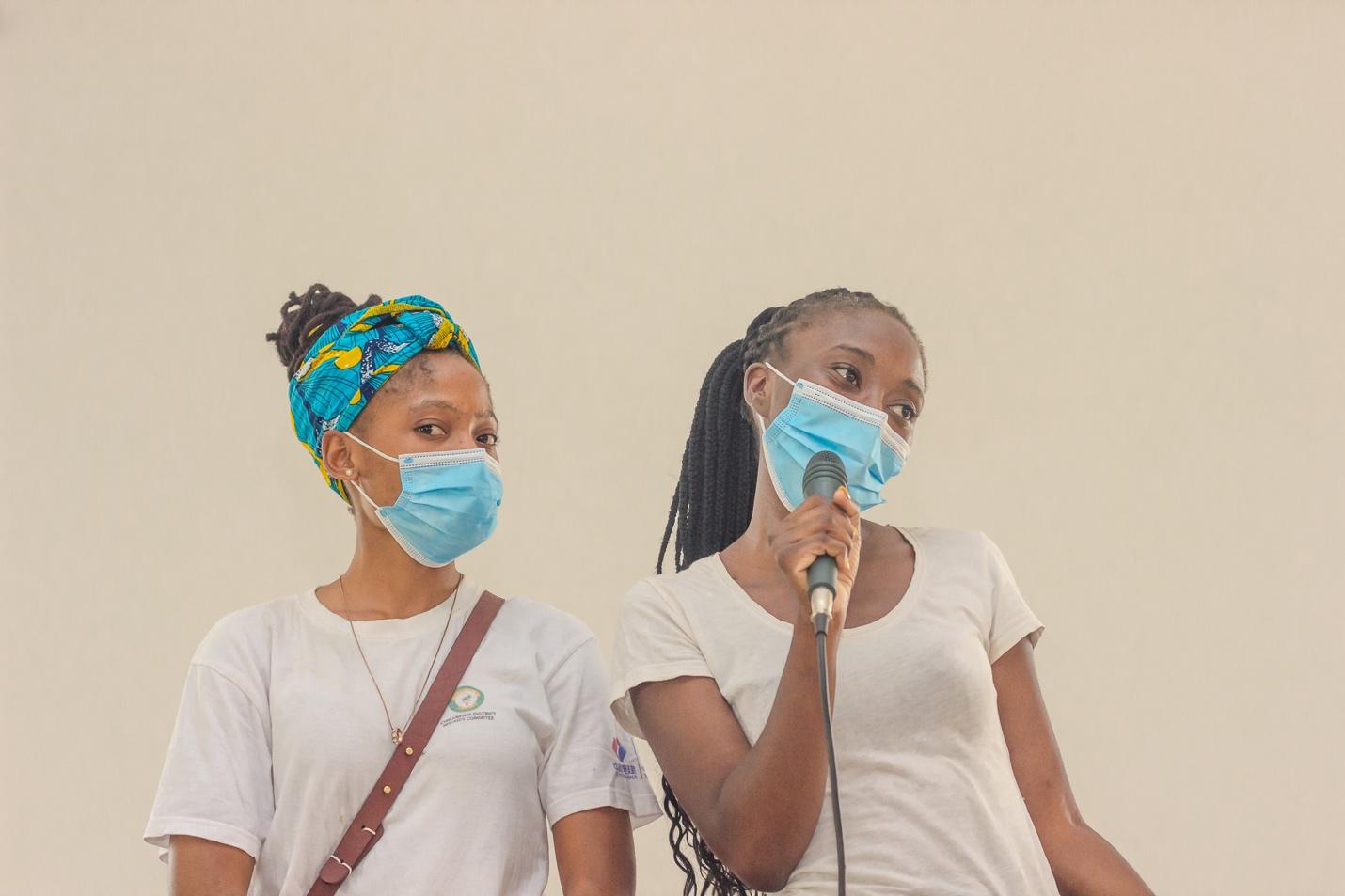
CIVICUS speaks about women’s rights and the United Nations (UN) Commission on the Status of Women (CSW) with Joy Hayley Munthali and Dorothy Kazombo Mwale of the Green Girls Platform.
CIVICUS speaks about women’s rights and the United Nations (UN) Commission on the Status of Women (CSW) with Eucharia Abua, Senior Programme Officer on Gender and Reproductive Justice at African Girls Empowerment Network (AGE Network).
CIVICUS speaks about the impacts of the climate crisis in Tunisia and civil society responses with Aziza Fakher, a biology-geology engineering student and member of Youth for Climate Tunisia (YFC Tunisia).
CIVICUS speaks with Oleksandra Matviichuk, head of the board of the Center for Civil Liberties (CCL), about human rights violations in Ukraine amid the Russian invasion and civil society’s response.
CIVICUS speaks with Sasha Romantsova, executive director of the Center for Civil Liberties (CCL), about Ukrainian civil society’s response to the Russian invasion.
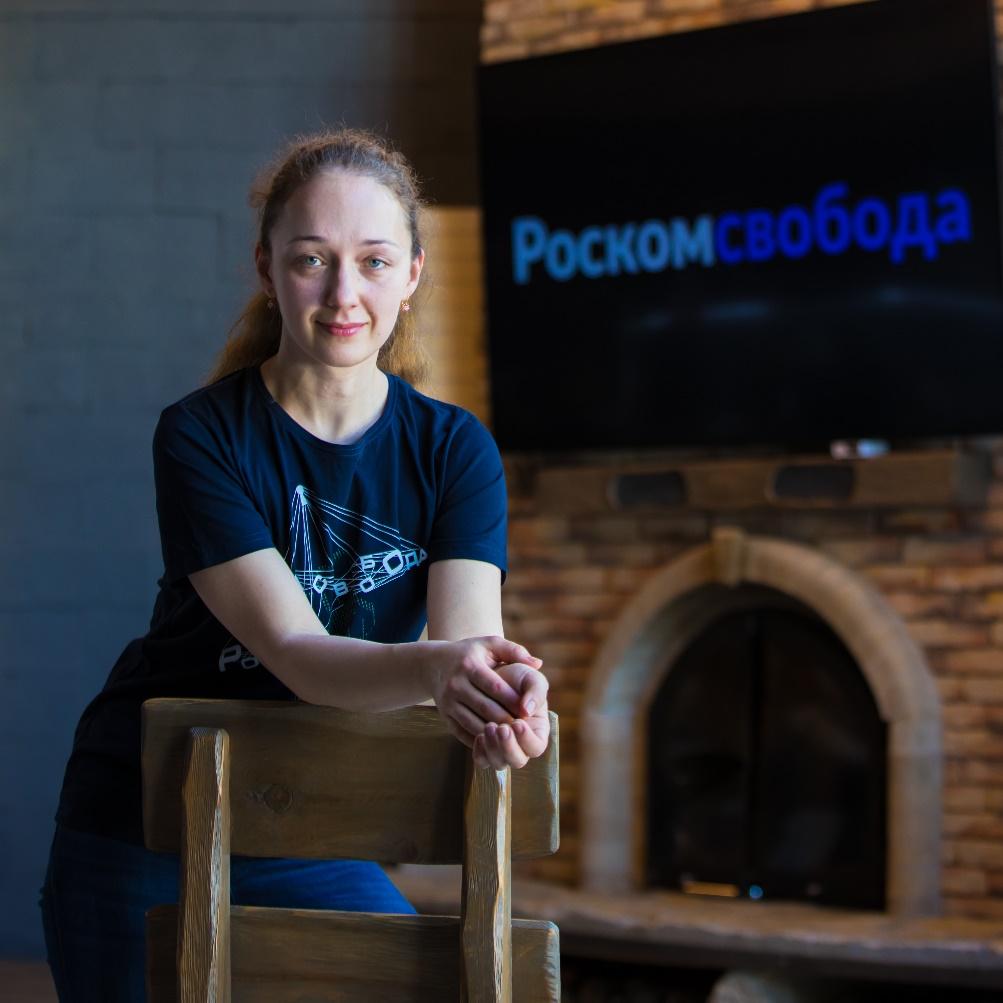
CIVICUS speaks about anti-war protests in Russia and the government’s violations of digital rights with Natalia Malysheva, co-founder and press secretary of Roskomsvoboda.
CIVICUS speaks about the state of civil society and civic space in Greece with Sotiris Petropoulos, director of Higher Incubator Giving Growth and Sustainability (HIGGS), an initiative that seeks to strengthen Greek civil society organisations (CSOs) through education and support programmes and activities.
CIVICUS speaks with Kristina Stockwood of the Gulf Centre for Human Rights (GCHR) about the current state of civic space in the United Arab Emirates (UAE) and the government’s efforts to improve its international reputation by holding the Expo 2020 event in Dubai.
CIVICUS speaks about anti-war protests and the growing restrictions on civic space in Russia with Nelya Rakhimova, coordinator of the Coalition for Sustainable Development of Russia (CSDR).
CIVICUS speaks with Magdalena Demczak, co-founder and director of Akcja Menstruacja (Menstrual Action), about the work her organisation is currently doing to help Ukrainian refugees.
CIVICUS speaks with Mariela Infante Erazo, director of Corporación Humanas, about the impacts of the pandemic on women and girls in Chile, and about her hopes for advances coming from the inauguration of a new government and the process to develop a new constitution.
CIVICUS speaks about the impacts of the COVID-19 pandemic on Iraqi women and girls and civil society’s role in combatting gender inequalities in Lebanon with Ghida Anani, founder and director of ABAAD – Resource Centre for Gender Equality.
CIVICUS speaks with Farid Tukhbatullin, founder and director of the Turkmen Initiative for Human Rights (TIHR), about the upcoming election and the environment for civil society in Turkmenistan.
CIVICUS speaks about gender inequalities in Yemen and the role of Yemeni civil society in tackling them with Bilkis Abouosba, founder and chairperson of the Awam Foundation for Development and Culture, a civil society organisation (CSO) founded in 2008 to support women’s political participation.
CIVICUS speaks with Antonio Lara Duque, a human rights lawyer with the Zeferino Ladrillero Human Rights Centre (CDHZL), about the situation of Indigenous rights defenders in Mexico, and specifically about the situation of Kenia Hernández, a criminalised and unjustly imprisoned woman Indigenous leader.
CIVICUS speaks about International Women’s Day and civil society’s role in combatting gender inequalities in Chile with Cecilia Ananías Soto, founder of Amaranta, an independent civil society organisation (CSO) based in the Chilean city of Concepción, in the Biobío region.
CIVICUS speaks about International Women’s Day and Turkish civil society’s role in eliminating gender inequality with the team of the We Will Stop Femicide Platform, a Turkish civil society organisation (CSO) aimed at ending femicide and ensuring women are protected from violence.
CIVICUS speaks about the upcoming International Women’s Day and Zambian civil society’s role in advancing women’s and girls’ rights with Pamela Mateyo and Mwape Kapepula, co-founders of WingEd Girls.
CIVICUS speaks about International Women’s Day and civil society’s role in combatting gender inequalities and the impacts of the COVID-19 pandemic on Iraqi women and girls with Alyaa Al Ansari, executive director of Bent Al-Rafedain Organisation (BROB).
CIVICUS speaks about International Women’s Day and civil society’s role in combatting gender-based violence (GBV) in Austria with Hannah Steiner and Sophie Hansal of the Network of Austrian Counselling Centres for Women and Girls.
CIVICUS speaks about the upcoming International Women’s Day and Pakistani civil society’s role in eliminating inequality and malnutrition with Farrah Naz, country director of the Global Alliance for Improved Nutrition (GAIN).
CIVICUS speaks about the upcoming International Women’s Day and Syrian civil society’s role in eliminating gender inequality with Maria Al Abdeh, executive director of Women Now for Development (WND), a Syrian civil society organisation (CSO) aimed at fostering a democratic, free and just society in which women can play meaningful roles and reach their full potential.
CIVICUS speaks about the upcoming International Women’s Day and Polish civil society’s role in advancing women’s rights with the team of the Helsinki Foundation for Human Rights (HFHR).
CIVICUS speaks about the upcoming International Women’s Day and UK civil society’s role in eliminating gender inequality with the team of Bold Voices, a social enterprise that seeks to create spaces for young people to discuss and share experiences of gender inequality and gender-based violence.