Negotiations towards a United Nations convention on international tax cooperation are under way.
CIVICUS Lens


Warmongers were to the fore at the latest high-level session of the United Nations' (UN) General Assembly, using a platform built for peace to threaten violence.

Russia's parliamentary election delivered a record supermajority for United Russia, the party that backs Vladimir Putin.
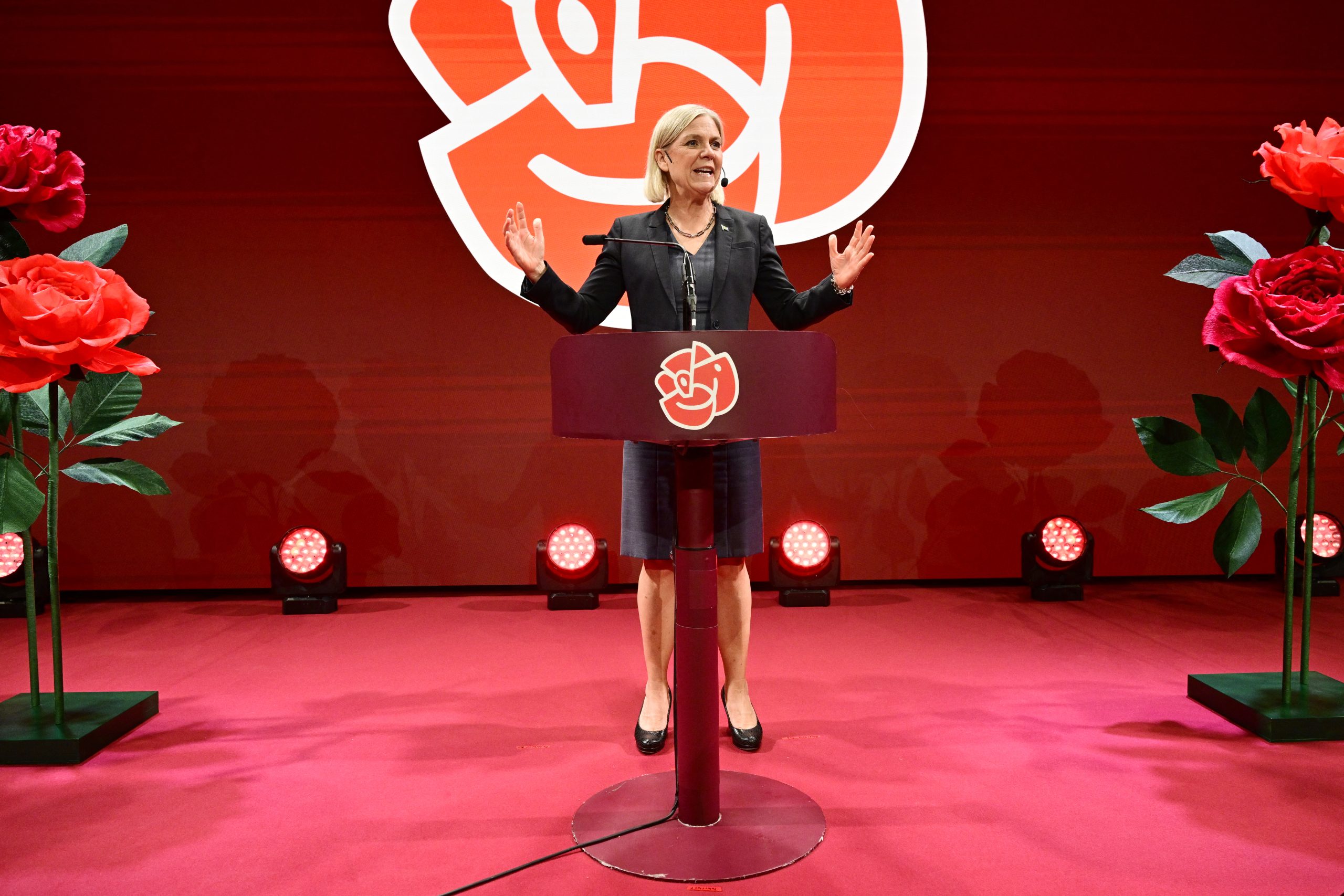
The far-right Sweden Democrats party went into the 13 September election hoping to win cabinet seats.
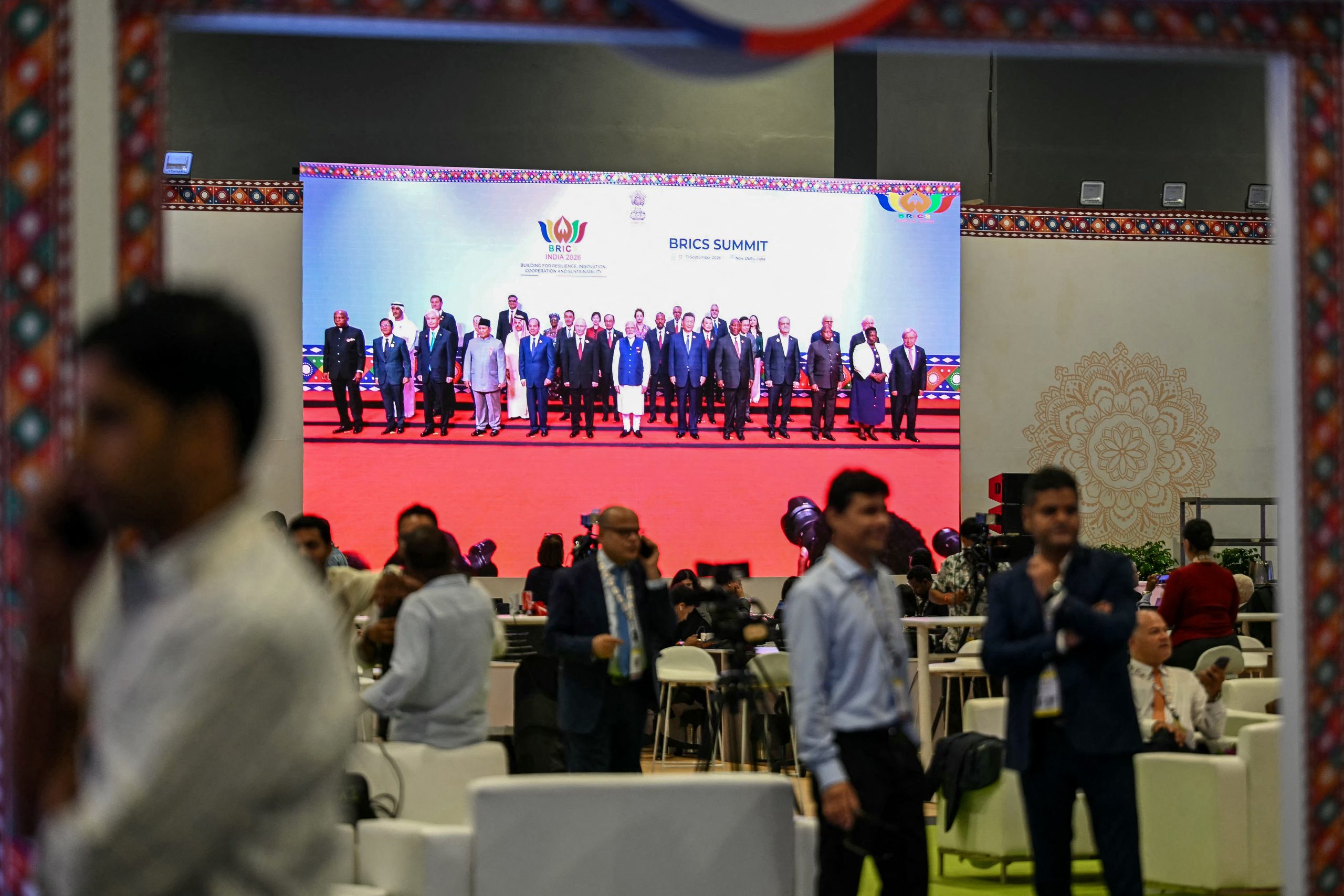
The BRICS Summit in India brought together 11 states that account for 49 per cent of the world's population and 28 per cent of the global economy.

A police raid on Norway-based telecoms company Telenor has given fresh impetus to civil society's efforts to hold Myanmar's military regime accountable for human rights atrocities.

A luxury tourism development that threatens one of the Adriatic's last unspoilt natural habitats has brought Albanians to the streets in tens of thousands, questioning an economic and political model that puts profit before people.
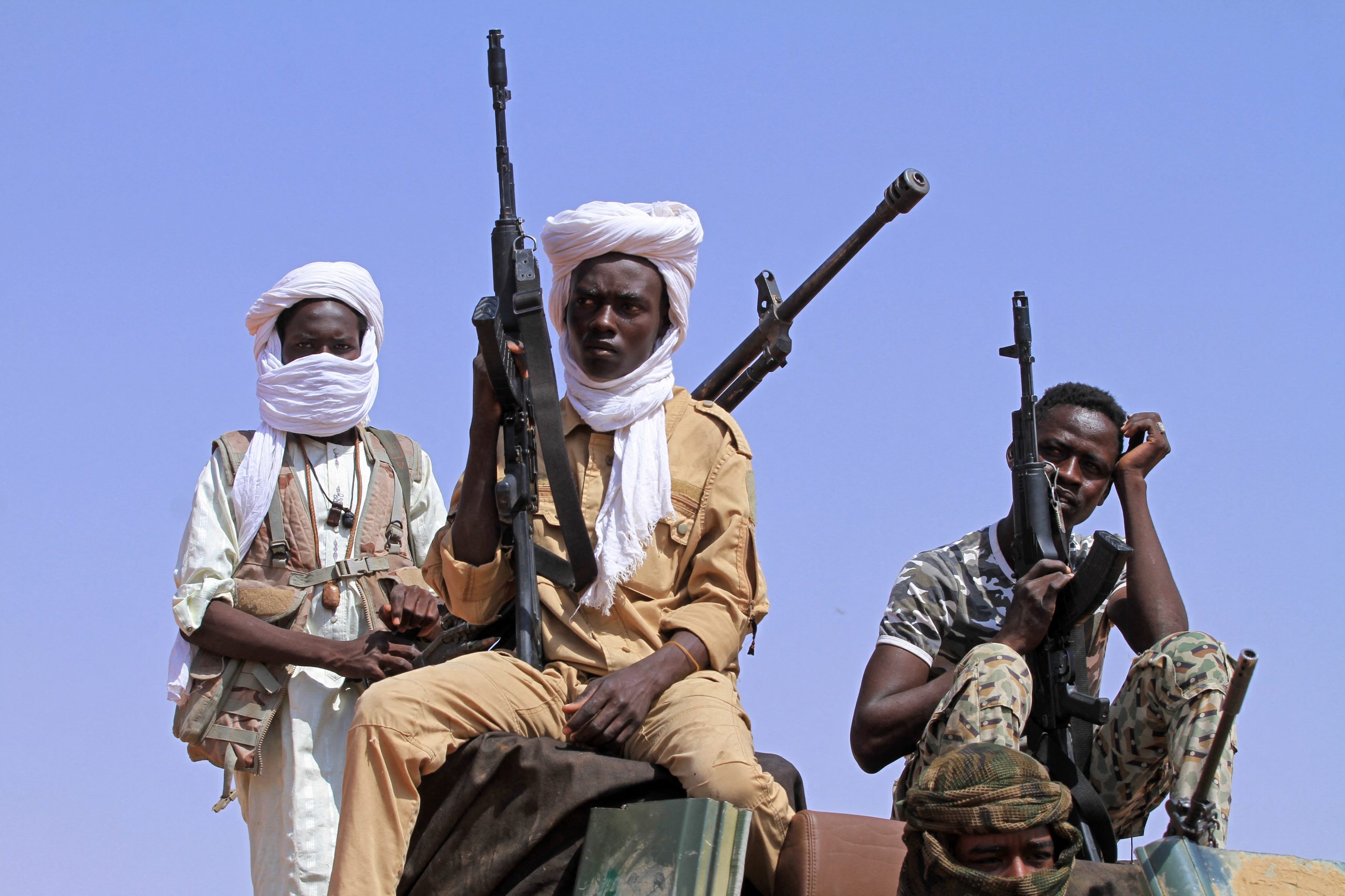
Both sides in Sudan's civil war have embraced drone warfare, causing civilian deaths, with hospitals, marketplaces and schools among the targets.
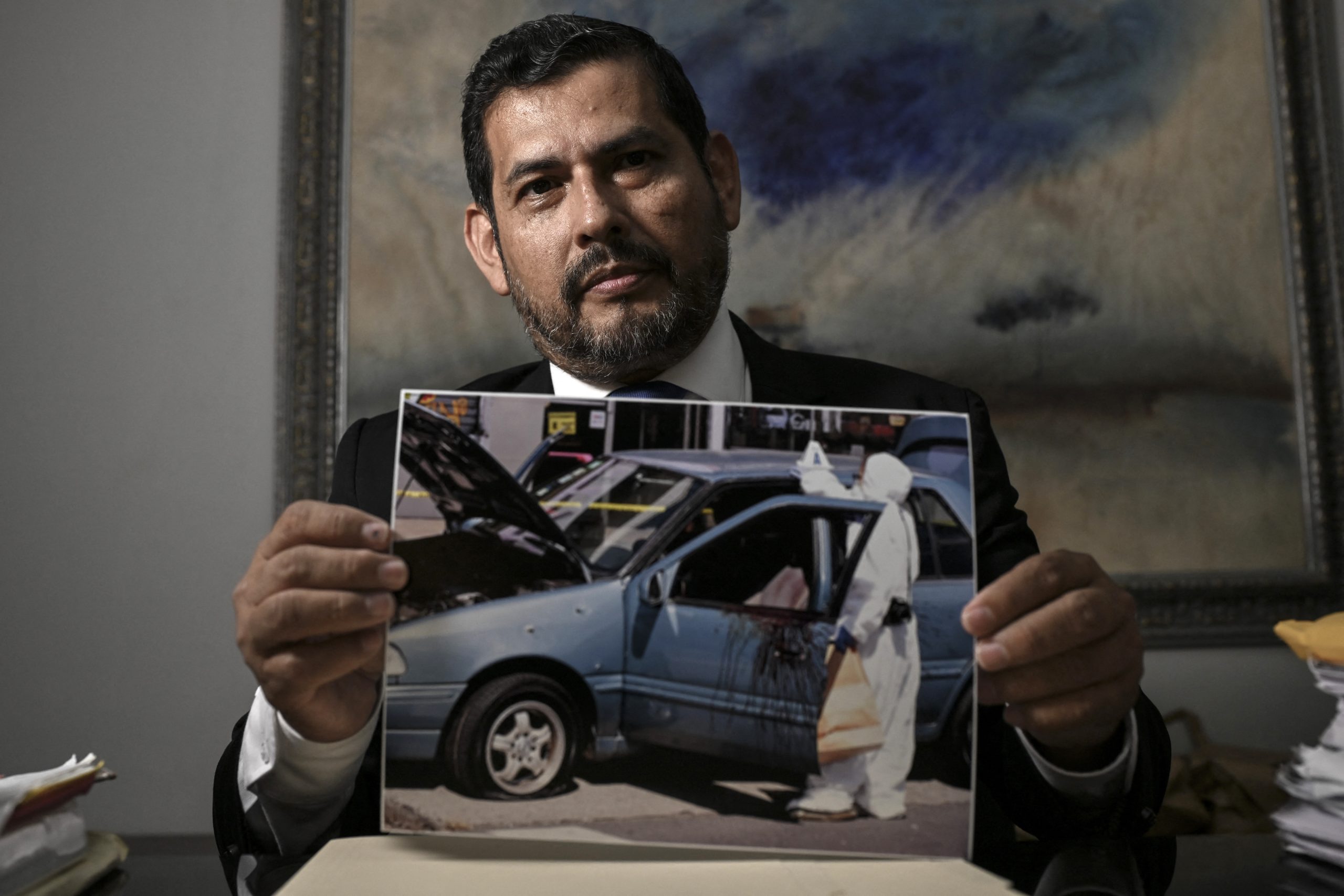
As authoritarianism expands, more activists are being forced into exile, but repression is following them.
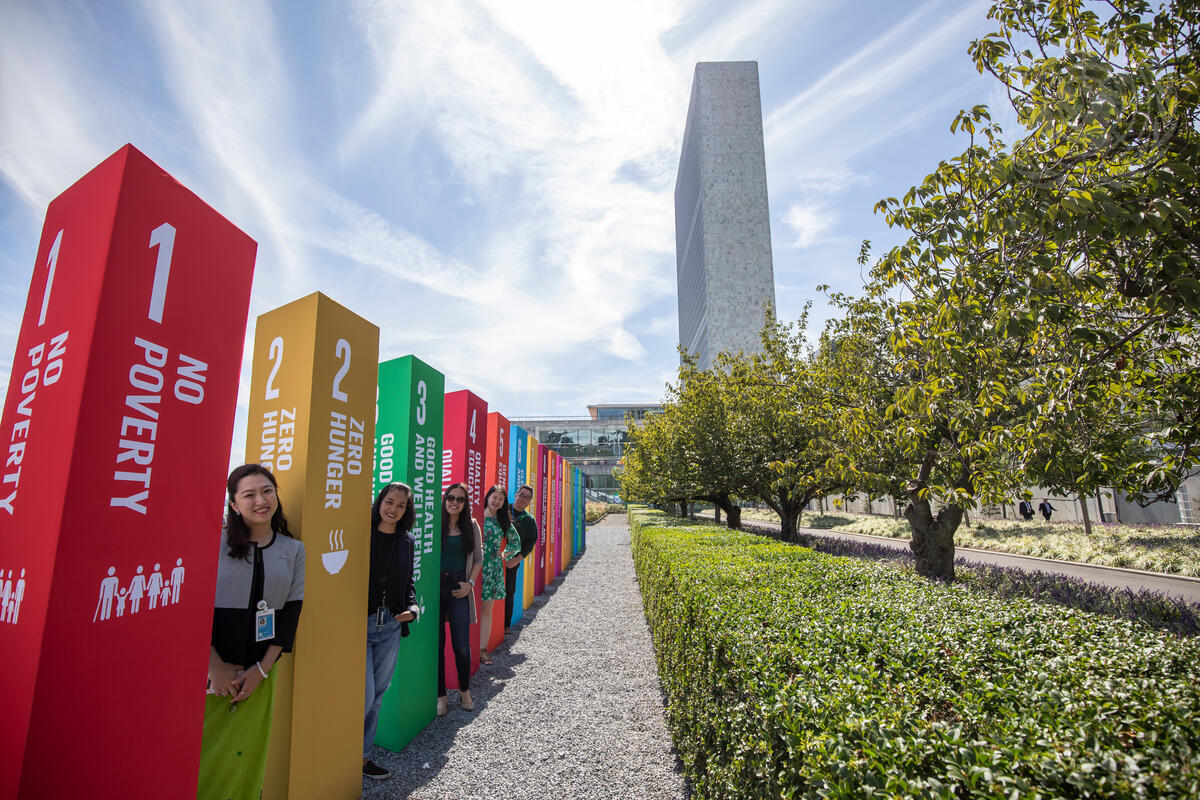
The latest United Nations High-Level Political Forum to review the Sustainable Development Goals offered further evidence of a divided multilateral system, with language that once passed without comment now contested.