


human rights
-
Venezuela Presidential Election: International Organizations Call on Authorities to Guarantee Transparency

July 30, 2024
The undersigned international organizations condemn the lack of transparency in the announced results of Venezuela’s July 28 presidential elections. This lack of clarity raises serious questions about the fairness and integrity of the election, leading to widespread doubts about the credibility of the claim that Venezuelans awarded Nicolás Maduro a third presidential term. Given this situation, the international community should insist that Venezuelan authorities immediately ensure and facilitate an independent verification process of the election results.
On July 28, Venezuelans participated massively and peacefully in the presidential election, demonstrating an inspiring commitment to democratic principles. This occurred despite the electoral process being severely marred by human rights violations and irregularities, including arrests of opposition members, arbitrary disqualifications of opposition candidates, arbitrary restrictions imposed on Venezuelans to vote abroad and young people, and efforts to further restrict civic space. Venezuelans deserve elections where every vote is counted, accurately and transparently.
Based on the right of the Venezuelan people to participate in fair elections, Venezuela’s National Electoral Council (Consejo Nacional Electoral, CNE - in Spanish) should immediately:
- Make available the totality of the tally sheets to all Venezuelan citizens and to national and international election observers as required under Venezuelan law. The CNE should publish the data by state, municipality, parish, voting center, and polling station; and review possible discrepancies in the results of the public tally sheets.
- Complete the electoral audit and citizen verification processes as required by law with the purpose of reconciling the voting receipts with the data registered in the Scrutiny Report issued by each polling station. The audit should be public and the process verifiable.
Until these conditions are met and Venezuelans’ right to transparent information about the electoral process is fulfilled, the international community should refrain from recognizing the announced outcome. Governments and international and regional intergovernmental organizations should use every diplomatic tool at their disposal to call on Venezuelan authorities to conduct a fair and transparent vote count that respects the right of Venezuelans to vote in elections “guaranteeing the free expression of the will of the electors” and effectively choose their political future.
Additionally, the Carter Center and the UN Panel of Electoral Experts, as the only international technical observation missions accredited by the CNE, should have access to all the information of the electoral process in order to proceed with their impartial reports in accordance with the memorandums of understanding agreed by each organization with the Venezuelan authorities.
Failure by Venezuelan authorities to ensure a full and transparent account of the election results, as required by Venezuelan law, risks the loss of vital channels of diplomatic engagement and renewed regional and international isolation, with potentially dire consequences for Venezuelans inside and outside the country.
Between July 26 and 29, local organizations reported documenting over 130 arbitrary arrests, as well as confirmed and potential unlawful deaths. These arrests have taken place in a context of harassment, persecution, and criminalization that marked the electoral campaign.
Finally, we call for the immediate release of arbitrarily detained individuals, respect for due process guarantees, and the non-criminalization of opposition leaders and citizens exercising their right to peaceful protest. We also urge the utmost respect for their rights to freedom of assembly, freedom of expression, liberty, and security of person and to freedom of movement.
Signed by:
- La Oficina en Washington para Asuntos Latinoamericanos (WOLA)
- Fundación para el Debido Proceso Legal (DPLF)
- Robert F. Kennedy Human Rights
- Centro por la Justicia y el Derecho Internacional (CEJIL)
- CIVICUS
- Centro Global para la Responsabilidad de Proteger (GCR2P)
- Comisión Internacional de Juristas
- Organización Mundial Contra la Tortura (OMCT)
- Human Rights Watch (HRW)
- International Service for Human Rights
- Instituto Internacional sobre Raza, Igualdad y Derechos Humanos
Adhere:
- Apuesta Solidaria AC - México
- Asociación Intercultural de Derechos Humanos (ASIDEHU) - Costa Rica
- Asociación Paz y Esperanza - Perú
- Asociación Pro Derechos Humanos (APRODEH) - Perú
- Asociación Pro-Búsqueda - El Salvador
- Centro de Derechos Humanos Miguel Agustín Pro Juárez - México
- Centro de Estudios de Derecho, Justicia y Sociedad Dejusticia - Colombia
- Centro de Estudios Legales y Sociales (CELS) - Argentina
- Centro de Políticas Públicas y Derechos Humanos - Perú Equidad- Perú
- Centro de Promoción y Defensa de los Derechos Sexuales y Reproductivos (Promsex) - Perú
- Centro Regional de Derechos Humanos y Justicia de Género - Corporación Humanas - Chile
- CISAS - Costa Rica
- CIVILIS - Venezuela
- Colectivo de Derechos Humanos Nicaragua Nunca Más - Nicaragua
- Conectas Direitos Humanos - Brasil
- Consultoría para los Derechos Humanos y el Desplazamiento (CODHES) - Colombia
- Equipo de Reflexión, Investigación y Comunicación - Honduras
- Equipo Jurídico por los Derechos Humanos - Honduras
- Fundación Étnica Integral - Republica Dominicana
- Instituto de Defensa Legal (IDL) - Perú
- Mesa Nacional para las Migraciones y Refugiados en la República Dominicana (MENAMIRD) - República Dominicana
- Movimiento Autónomo de Mujeres - Nicaragua
- Observatorio Venezolano de Prisiones - Venezuela
- Oficina Jurídica para la Mujer - Bolivia
- Plataforma Internacional contra la Impunidad - Guatemala
- Red para la Infancia y la Adolescencia de El Salvador (RIA) - El Salvador
- Tejiendo Redes Infancia en América Latina y el Caribe - Regional
- Vicaría de Derechos Humanos de Caracas - Venezuela
Civic space in Venezuela is rated 'closed' by the CIVICUS Monitor.
-
VENEZUELA: ‘The government wants a civil society aligned with its interests, tamed and silent’

 CIVICUS discusses the ‘anti-NGO law’ recently passed in Venezuela with Alí Daniels, Co-Director of Acceso a la Justicia, a civil society organisation (CSO) dedicated to monitoring justice administration and the rule of law in Venezuela.
On 15 August, Venezuela’s National Assemblyapproved a bill known as the ‘anti-NGO law’, which severely restricts freedom of association. The law requires CSOs to declare the origin of their funding, imposes strict reporting obligations, including a requirement to provide sensitive information, and bans organisations deemed to promote ‘fascism, intolerance and hatred’. The measure, proposed some time ago, was finally adopted after the28 July presidential election, which the opposition won by a large margin. The government has ignored the results, violently suppressed democracy protests and sought to stifle all sources of dissent.
What’s the anti-NGO law, and what’s its place within the ruling regime’s repressive machinery?
This new law has been presented as an instrument to regulate the exercise of freedoms of association and expression, when in fact it seeks to hinder it. One third of its 39 articles contain severe sanctions such as fines, deregistration, expulsion of foreigners and the dissolution of organisations. Although it claims to seek greater transparency and accountability, it contains only two articles on this issue, which was already regulated by the Civil Code.
One of the most worrying aspects of the new law is that it obliges CSOs to reregister within 180 days and could leave them in legal limbo if they don’t receive a response from the authorities. It also imposes annual reviews, creating an unnecessary administrative burden even for those lacking financial resources.
The anti-NGO law is part of a long-standing strategy of repression that includes human rights violations such as enforced disappearances, arbitrary detentions and extrajudicial executions. It’s another cog in a repressive machine that includes measures such as revoking the passports of human rights defenders and activists, illegal surveillance of phones and social media and censorship of platforms such as WhatsApp and Twitter/X. Senior government officials have already labelled us terrorists, encouraging and justifying the intensification of repression.
The anti-NGO law can also be seen as a response to international pressure questioning the legitimacy of the 28 July election. With it, the government is doubling down on its willingness to punish anyone who questions its legitimacy.
What impact could this law have?
We are very concerned that the new law is very similar to Nicaragua’s, which in just one year has led to more than 3,000 CSOs being made illegal.
In the medium term, the new law could have a serious impact on the humanitarian situation. The new restrictions could lead to a reduction in the number of CSOs, while those that still operate may be forced to reduce their capacity to implement projects. Many CSOs may end up opting to become informal groups. While this would reduce costs, it would also limit their ability to receive funding, as donors often prefer to work with formal legal entities.
The damage this could cause is not limited to CSOs – it also affects the people who depend on their services. For political reasons, the Venezuelan government adopts contradictory positions: it forces bankrupt companies to keep operating, allegedly to ‘protect jobs’, but it dissolves CSOs for failing to pay a fine. It claims to protect jobs, but dissolves organisations that create jobs in the humanitarian field.
The anti-NGO law is designed to limit the independence of civil society, allowing only likeminded CSOs to operate. The government wants a civil society that’s aligned with its interests, tamed and silent.
How is civil society working for a democratic transition in Venezuela?
In a context marked by censorship of political expression and press freedom, Venezuelan civil society is playing a crucial role in the struggle for a democratic transition. In the face of restrictions on political parties and government control of the media, CSOs have become reliable sources of information, providing an alternative analysis to the official narrative. We provide data the government would rather hide, such as the rise in child malnutrition. We show reality as it is, and that’s why they want to suppress us.
CSOs act as monitors and whistleblowers, offering critical analysis and proposing alternatives for Venezuela’s future. We advocate for dialogue and a negotiated transition, but we also set clear ethical and legal boundaries to ensure those responsible for crimes against humanity are brought to justice.
How can the international community support civil society in Venezuela?
The international community can help us keep what is happening in Venezuela in the global debate by echoing our condemnation of human rights violations and crimes against humanity. This is extremely important so those more ideologically reticent can recognise that human rights violations have no ideology and torture is unacceptable and must be condemned and punished no matter who commits it.
It’s important that states with influence over the Venezuelan government, such as Brazil and Colombia, use their position to encourage dialogue. Diplomatic pressure and mediation by friendly countries could facilitate a process of negotiation and peaceful resolution. We have been facing a complex humanitarian emergency for more than two decades; any support to alleviate the crisis is greatly appreciated and will continue to give us hope and strength to face the very serious situation we are in.
Civic space in Venezuela is rated ‘closed’ by theCIVICUS Monitor.
Get in touch with Acceso a la Justicia through itswebsite orFacebook page, and follow@AccesoaJusticia and@alijdaniels on Twitter.
-
VENEZUELA: ‘We need a multilateral, flexible and creative approach from the international community’
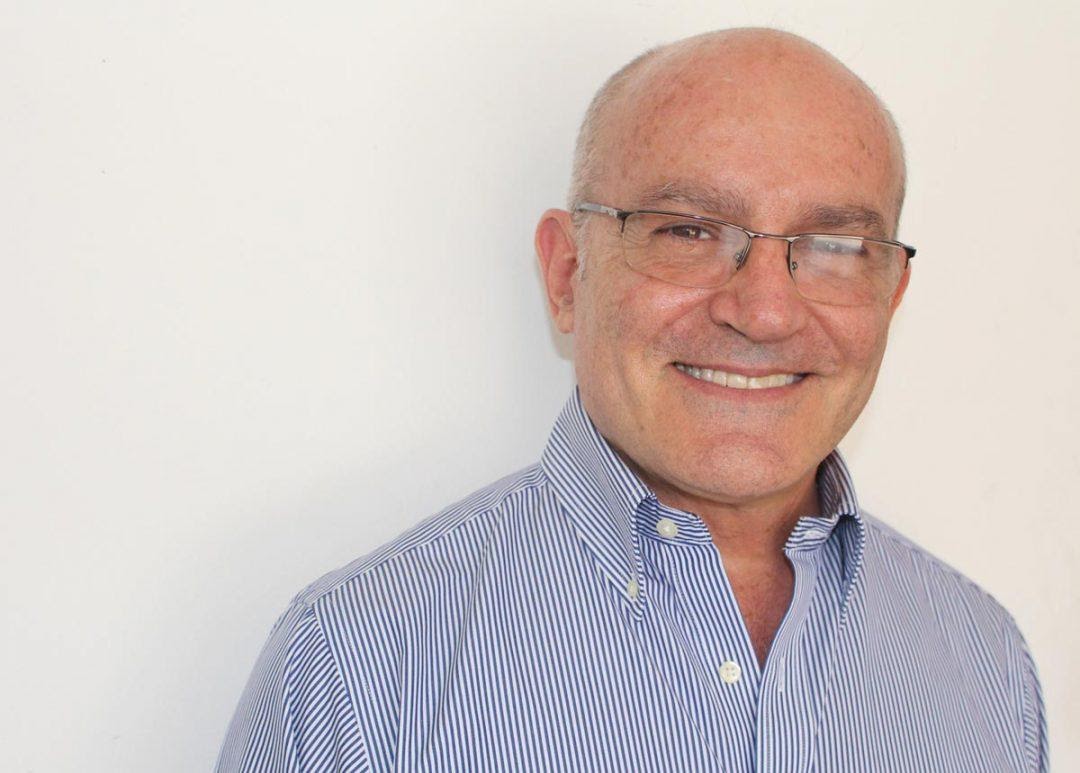
CIVICUS speaks with Feliciano Reyna, founder and president of Acción Solidaria, a Venezuelan civil society organisation (CSO) established in 1995 with the mission to contribute to reducing the social impact of the HIV epidemic. As a result of the multiple crises facing Venezuela, Acción Solidaria has expanded its scope of action and provides medicines and medical supplies to wider vulnerable populations.
How has the current crisis come about in Venezuela?
A process of dismantling the rule of law has taken place over several years and is still ongoing. The judiciary has long ceased to be independent and now operates according to the interests of the government. Added to this is a high level of corruption. Many documents and reports, such as a recent one by the United Nations (UN) Independent International Fact-Finding Mission on Venezuela, describe how a non-independent justice structure was put in place, taking advantage of the opacity of public data and discretionary state management.
As a result, many people, acting in their own interest, destroyed the economic and productive apparatus. Nowadays the Venezuelan economy is 20 per cent of the size it was in 2013. This has impacted on poverty levels, the quality of public services and the resulting lack of protection.
An initial period of enormous income, lasting many years, allowed for a great waste of wealth, with resources reaching the major groups that supported Hugo Chávez’s government, from 2005 to 2013. But money was just spent on individual benefits, not invested in public services. Thus, little by little, the public sector was left in a state of total abandonment: hospitals, roads, lighting, electrical system, water distribution. Everything is pretty much destroyed. There are about four million people who cook with firewood or charcoal because they don’t receive gas. Where I live, we get water once a week for 24 hours, and sometimes we don’t get water for two or three weeks.
There was a major shift in the global economy, with a sharp drop in oil prices coinciding with Chávez’s last days in office. When Nicolás Maduro took power in 2013, the fragility of a regime largely based on Chávez’s personality was exposed. Maduro’s victory triggered political protests because his mandate was questioned, and very harsh repressive practices were adopted in response. The situation has deteriorated ever since, leading to the current human rights crisis. CSOs have documented arbitrary detentions, torture and cruel treatment under detention. There has been a sustained attack on dissent and political opponents. Anyone in a position of power who is viewed as a political threat is taken out of play.
The years between 2014 and 2016 were terrible. In addition to human rights violations, there was widespread harm caused to the population in terms of health, nutrition, access to water, education and other rights. As the economy deteriorated, there began to be many social protests, not for political reasons but regarding income, lack of resources, power cuts, lack of transportation and public services, and so on. With two major exceptions – the 2017 and 2019 protest waves, in which people expressed political grievances – the vast majority of protests have been social protests, not ideological ones, through which many people who ultimately supported and voted for the government expressed their discontent.
While the attack on opposition and dissent has driven many into exile, economic shortages have led to a massive emigration wave. More than four million Venezuelans have emigrated, including many professionals, teachers and doctors, further weakening service delivery systems.
What is the context in which civil society works?
There state has been greatly weakened and is unable to control all the territory under its jurisdiction, so it has handed over control to other groups. Power is increasingly in the hands of local parastate actors who enjoy small bubbles of well-being within the context of immense poverty in which the vast majority of the population lives.
Because of the weakening of the state and the deterioration of the oil industry, which has always been the main source of national income, the government has opened some spaces for a freer economy. That means that in order to serve the populations we work with, we have been able to import medicines and supplies thanks to international cooperation. Our international donors send us supplies or pay for transportation so that we can receive them, using a door-to-door delivery system.
Since 2017 Acción Solidaria has brought in almost 240 tons of aid. We have grown from nine staff in 2016 to 40 in 2021. Every week about 120 people come to the offices of Acción Solidaria to seek medicine. Most of them are women and people with very little resources, over 55 years old. The things they need may be available in the parallel economy, but at prices they can’t afford.
But the environment for civil society remains a high-risk one. Last year we experienced a raid by the Special Action Forces, the most fearsome command of the Bolivarian National Police. What they did to us was not an official operation but a criminal action. CSOs doing human rights advocacy are criminalised, and CSOs conducting humanitarian action face serious problems of access and are subject to extortion by these autonomised groups and paramilitary actors. We have become targets not because we are opponents or dissidents, but because we have coveted resources.
One colleague of ours was imprisoned 160 days ago and five comrades from an organisation that works alongside the UN Refugee Agency were imprisoned for a month in a military facility.
As the electoral process was underway, the government’s information networks among the population seemed to have become aware that government programmes – which transfer the equivalent of about US$4 a month to their beneficiaries – could not compete with the nearly US$60 that humanitarian organisations were transferring to people in their target populations, without demanding anything in return, simply as part of the humanitarian response. So they immediately stepped in and suspended the 38 humanitarian aid programmes that were making cash transfers.
Following the elections, the transfer ecosystem has started to begin again, but so far only transfers from the Food and Agriculture Organization and UNICEF have been reactivated.
How much popular support does the Maduro government have left? Did it have enough to win the November regional elections, or did it resort to fraud?
In November 2021, regional elections were held to renew all executive and legislative seats in the country’s 23 federal entities and 335 municipalities. The official turnout was just over 40 per cent, and the government won 19 governorships, compared to four won by the opposition. The government also won 213 mayorships, but various opposition groups won 121, a not insignificant number.
The conditions of electoral competition were set up well before the selection of candidates, the campaigns and the voting took place, as new members to the National Electoral Council (CNE) were appointed. The CSO Foro Cívico had proposed names of independent candidates for the CNE: people with a strong electoral background who could build a bridge of dialogue with the people in government who wanted a less authoritarian rule. This resulted in a more balanced CNE, with one independent rector and one from the opposition among the five full members, and three out of five alternates proposed by civil society. This allowed us to expect an election with greater legitimacy than previous ones.
The electoral process was very tense. While there was no fraud in the sense that voting figures were changed, there was a lot of pressure and obstacles to prevent opposition supporters from voting. Leading opposition politicians were disqualified and unable to stand as candidates. The conditions in voting centres, including schedules, were altered for the government’s benefit, and many people were brought out to vote, despite the fact that the government no longer has the same mobilisation capacity as in previous elections. Turnout was low for several reasons: because millions of people have emigrated, and because many popular opposition figures were not taking part in the election.
The opposition also bore a great deal of responsibility for this, because it viewed the elections with a lot of suspicion. Many of its key spokespeople were opposed to participating, and it did not reach the kind of broad agreements that would have allowed it to win as many as 10 or 12 governorships. In part, its growth was limited not just by the obstacles imposed by the government, but also by its own inability to reach an agreement.
Still, it is important to emphasise that the playing field was not level. The opposition could have won more governorships than it did, but there was a clear limit to this. This was seen in Hugo Chávez’s home state of Barinas, which the government could not afford to lose to the opposition. An opposition candidate clearly won there, so after the fact the Supreme Court ruled that the winning candidate did not actually meet the conditions to be eligible to compete, and ordered a rerun.
Faced with these limitations, which were foreseeable, there was a part of the opposition that from the beginning opposed participating in the elections and left the way open for many pro-government victories that might not otherwise have taken place.
How consolidated is the Maduro regime, and what are the chances that a democratic transition can take place?
A democratic transition does not seem to be an option in the short term. The opposition is very diverse and is dispersed both programmatically and in terms of its institutional approach, so it is questionable whether it would be able to govern if it had the opportunity right now.
What lies ahead of us is a long trek through the desert. The government suffers from many weaknesses, but it has the support of China, Iran, Russia, Turkey, and a lot of political support from Cuba and other countries in the region, as is apparent in the UN Human Rights Council. Maduro’s government has adopted a deft approach in the image of these supportive states: despite corruption and lack of transparency, it has allowed an opening in the economy while keeping its repressive behaviour intact.
The international support that the government receives is important and has been systematically underestimated, while the support received by the interim government led by Juan Guaidó has been overestimated. It has been said that he has the USA and 60 other countries on his side, but those who support him with real actions are in fact much fewer.
For many in the opposition, the interim government has itself been a big problem, partly because it became associated with the Donald Trump administration, and partly because since the interim government was established what it did became the only thing that mattered, and the space of the National Assembly, which had enjoyed broad popular support, was abandoned.
The interim government was prompted on the basis of Article 233 of the Venezuelan Constitution. Since by virtue of his fraudulent re-election in 2018 Maduro was not recognised by the opposition as a legitimate president, the opposition-dominated National Assembly proclaimed its president, who at the time was Juan Guaidó, as interim president of Venezuela. I think that the opposition should have continued to work through the National Assembly, an elected and legitimate body whose presidency alternated between the parties with the most votes. Evidence of corruption could have been collected and mechanisms sought to protect the country’s assets with the help of the international community.
Instead, the opposition named itself as a legitimate government without having any control over internal processes. And when it took over, it set out expedited conditions and deadlines, demanding that Maduro should first leave office so that the interim government could constitute itself as a transitional government and organise free elections.
The choice of the opposition to proclaim an interim government was the result of it underestimating the government’s forces and overestimating its own. When expectations were not met, as was bound to happen, disaffection with the interim government began to grow. There is still an enormous desire for change, because things remain bad for the vast majority of the population, but the hope that this change would be achieved through the interim government has faded.
What kind of support should the international community provide to facilitate a democratic transition?
What we would like to see from the international community is a multilateral, flexible and creative approach. The change of administration in the USA has been extremely important because the approach of the Trump administration was unilateral and overbearing. Fortunately, the Biden administration appears to adhere to a multilateral approach and to include Europe, Canada and other countries in our region.
Regarding Europe, it was very important that the European Union sent an election observation mission for the 21 November elections, as it was for the UN and the Carter Center to send their election experts. The UN also has essential contributions to make in humanitarian and human rights matters, both in terms of mobilising resources to address the humanitarian emergency in the country and to support migrants and refugees across the region, as well as with regard to the human rights violations that continue to occur.
The international community must listen to civil society and pay attention to the grievances of the people who are directly affected by the measures that external actors take in relation to Venezuela. Many of the sanctions that have been imposed on the government, such as the US secondary sanction that penalises the exchange of oil for diesel, end up not affecting the government, which has alternative courses of action, and instead harm users and consumers, ordinary people whose already complicated lives are complicated even further.
If this part of Venezuelan society were listened to, it would be possible to think of alternative policies to generate spaces for negotiation and agreements that would allow us to return to the path of democracy and human rights in a non-violent manner.
Civic space in Venezuela is rated as ‘repressed’ by theCIVICUS Monitor.
Get in touch with Acción Solidaria through itswebsite or itsFacebook andInstagram pages, and follow@AccionSolidaria and@fjreyna onTwitter. -
VENEZUELA: ‘With the new NGO law, the government aims to take control of the entire associational fabric’

 CIVICUS speaks with Rigoberto Lobo Puentes, founder of Promotion, Education and Defence of Human Rights (Promoción, Educación y Defensa en Derechos Humanos, PROMEDEHUM), about Venezuela’s NGO bill which, if passed, will further hinder civil society’s work.
PROMEDEHUM brings together people whose common goal is education about and the promotion and defence of human rights.
How has civic space in Venezuela changed recently?
Civic space has experienced tensions for more than a decade. In 2010 the government implemented the Law of National Sovereignty and Self-Determination to restrict access to funding by human rights organisations, citing alleged external threats against the Venezuelan government. This law was only the first step. Starting in 2016, when the ruling party lost control of the National Assembly, the government began to issue emergency decrees granting powers to the Ministry of Foreign Affairs to audit any agreement signed with international bodies by organisations or individuals to implement projects in Venezuela. This was part of a strategy to suffocate human rights organisations financially until they were forced to shut down.
In 2020 the government body that regulates the banking system ordered banks to monitor the financial operations of civil society organisations (CSOs), supposedly to prevent money laundering and terrorism financing. Following criticism from international human rights protection bodies, in 2021 the provisions of the National Office against Organised Crime and Terrorist Financing in relation to CSOs were slightly amended. However, they continue to violate international human rights standards. Among other things, they provided for the creation of a new body in charge of authorising the registration and operation of CSOs and obliged CSOs to provide sensitive information.
This attack caused fissures in civil society, as many thought that since the focus was on human rights organisations, other CSOs, including humanitarian organisations, were out of harm’s way, even if they also in one way or another defended human rights. Many CSOs said they had no problem with the obligation to register. The situation was very confusing. It was never clear where the registry was or would be, and in each city, organisations were given different information.
In 2021, the ruling party-controlled National Assembly unanimously approved a national legislative plan that included a Law on International Cooperation, which also established a mandatory registry for CSOs. The aim again was to limit access to funding for CSOs.
In 2022, the Caribbean Financial Action Task Force refuted the idea that all these regulations were needed. Its assessment of Venezuela concluded that there was no evidence the proposed or implemented CSO registries could prevent potential abuses linked to terrorism financing.
Finally, in January 2024 the National Assembly approved in first reading of the draft Law on Control, Regularisation, Operations and Financing of Non-Governmental and Related Organisations, better known as the NGO law. If passed, this law will allow the government to further restrict the functioning of civil society, as it broadly prohibits ‘political activities’ without clearly defining what this refers to, and could result in the imposition of sanctions or the closure of CSOs deemed to be engaging in ‘political activities’. In the session where the bill was approved, more than 60 CSOs were singled out as enemies and traitors to the homeland.
The continued threats to and vilification and persecution of CSOs and human rights defenders, and restrictions and attacks on media and journalists, raids on offices and jailing of humanitarian workers, have created a climate of great fear. Many CSOs have lost members, some have closed, and many human rights defenders have migrated for various reasons, including because they have been persecuted or fear persecution in the near future. Some organisations, including media outlets, have adopted self-censorship or changed the nature of their activities to prevent reprisals.
What impacts would the NGO law have in this context?
The NGO law seeks to limit citizen participation and human rights advocacy. It would turn the freedom of association into a matter of public order, exposing organisations to surveillance and police control. Organisations that fail to register or disclose their sources of funding could face fines, deregistration and criminal prosecution. They could be criminalised under charges of terrorism, money laundering, destabilisation, conspiracy and foreign interference.
Although the draft law may appear to target only human rights organisations, its impacts will be much broader, as it aims to take control of the entire associational fabric. All organisational forms, including political parties and education and academic organisations, are potential targets. Victims of human rights violations could lose all legal support. People affected by Venezuela’s humanitarian emergency could lose access to civil society humanitarian programmes, which could be replaced by government programmes with restrictive access conditions.
In short, the government seeks a tailor-made civil society. It has an interest in the continuity of humanitarian organisations, as they relieve it of a burden and help it maintain an image of openness with the international community. But it wants humanitarian organisations to play a purely welfare role, with no connection to human rights, and to refrain from publishing any information that might project a negative image of Venezuela.
The government has already made progress in this area. To some extent it already controls the activities of humanitarian organisations and obtains constant information on their activities throughout Venezuela.
Why has the NGO law been revived after it was put on hold last year?
The government has moved forward with this law as prospects increase of an election in the near future. The law can be used not just against human rights CSOs. It can be used against any organisational form that is considered a space for critical thought or dissent. This particularly applies to CSOs working on civil and political rights issues, demanding electoral transparency, monitoring campaigns and observing elections.
From the government’s perspective, civil society jeopardises its prospects of staying in power. Under fair electoral conditions, civil society’s monitoring, documentation and denunciation of human rights violations perpetrated by an already unpopular government could harm its electoral standing. For years the government has sought to subdue, suffocate or nullify CSOs, and this will intensify as it faces the need to ensure its continuity in power.
The NGO law had been suspended but not forgotten. The government simply waited for the right time to resume its attacks. Recently, there have been accusations against and arrests of members of the military, political parties and journalists in connection with an alleged assassination plot that has been classed as terrorism. This is part of a situation created by the government to justify actions to neutralise those who might become obstacles in the face of an election. In this context, the possibility of the NGO law being passed should not be ruled out.
How have civil society and the public reacted to these attacks?
Despite the seriousness of the law, there is a lot of misinformation and a high level of ignorance among Venezuelan citizens. Even some CSOs are unaware of its existence or its importance.
However, civil society has issued numerous criticisms. Between 2022 and 2024, national and international CSOs have published at least 15 statements and analyses of the NGO law and the law on international cooperation. Numerous forums, talks and awareness campaigns have been held, inside and outside Venezuela.
Many organisations and human rights defenders have participated in interactive sessions at the United Nations (UN) Human Rights Council and in side events at the UN, the Organization of American States and the Summit of the Americas, and have submitted reports to human rights bodies. As a result of this advocacy, between 2021 and 2023, 11 statements and reports about these laws were published by international bodies.
Those of us outside Venezuela have also advocated with the governments of our host countries. In Argentina, where I am at the moment, politicians and civil society have publicly condemned the NGO law.
The Venezuelan government doubled down and on 12 January launched a public consultation on the law, without making the official text of the draft law public or inviting human rights CSOs to participate. According to the information that has come to light, most of the participants in the consultation have been state officials, including police officers. From what we have been able to observe in consultation events, which take place relatively spontaneously in various places and without an established format, and in the discussions on the issue in the National Assembly, the prevailing discourse has delegitimised CSOs, which are referred to as enemies of the state.
What guarantees does Venezuelan civil society need to keep doing its work?
To continue our advocacy work in defence of civic space we need more international organisations and people to come on board to help report on the deteriorating situation. CSOs need access to more accurate and reliable information to help build alliances more quickly and effectively.
Venezuelan CSOs continue to work to communicate any changes that occur and to raise the alarm when attacks on rights take place. We continue to advocate with other states, especially when there are changes of government that could affect international policies of states. One imminent risk is of the non-renewal of the mandate of the International Fact-Finding Mission on Venezuela, established by the UN Human Rights Council in 2019. This would be a serious blow to Venezuelan civil society.
Venezuelan organisations should also evaluate and rethink strategies in terms of the impact of the information we produce. We should better showcase the strengths of the Venezuelan human rights movement. Perhaps proactive transparency, to the extent that it does not put organisations and their members at greater risk, could serve to influence both the international community and the public. It is crucial that people in Venezuela understand the dimensions of the losses that the deterioration of civic space and the extinction of CSOs pose to our country.
Civic space in Venezuela is rated ‘closed’ by theCIVICUS Monitor.
Get in touch with PROMEDEHUM through itswebsite orFacebook account, and follow it onInstagram and Twitter.
-
Venezuela: Continued deterioration of human rights

Statement at the 47th Session of the UN Human Rights Council
CIVICUS thanks the High Commissioner for her report, which shows the continued deterioration of the human rights situation in Venezuela and lack of effective implementation of the recommendations made in the last report.
We are deeply concerned about recent legislation that unduly restricts the right to association in Venezuela. A new ordinance of May 2021 introduces concerning elements which may be used to criminalise civil society work. A new draft law introduced in the National Assembly would limit international funding to civil society. This legislation would continue to restrict the operation of CSOs in the country, and would particularly have a devastating impact on those organisations working to provide much needed humanitarian assistance in the country.
Restrictions on freedom of expression continue in Venezuela, with recent examples of attacks against media outlets like the raid and seizure of newspaper El Nacional and the case of CNP in Sucre whose office was set on fire. Digitals attacks continue to increase in the country with 153 media outlets affected by digital censorship in Venezuela in 2020.
As people continue to take to the streets in the context of a terrible socioeconomic situation, security forces continue to use excessive force against protesters. Local organisations reported that during the first trimester of 2021, 23 demonstrations were repressed, andone person killed.
We echo the High Commissioner’s remarks in her March statement that ‘shrinking civic space has ‘a paralysing effect on all those engaged on legitimate and essential activities’. We ask the High Commissioner in the context of her ongoing reporting to set out concrete ways in which the international community can support those on the ground.
Civic space in Venezuela is rated Repressed by the CIVICUS Monitor.
-
Venezuela: Lack of substantive progress requires renewal of the Fact-Finding Mission’s mandate

Statement at the 51st Session of the UN Human Rights Council
Interactive Dialogue with Fact-Finding Mission on Venezuela
Delivered by Marysabel Rodríguez
CIVICUS and Espacio Público reiterate to this Council the importance of maintaining the monitoring of the human rights situation in Venezuela. We welcome States’ willingness to ensure scrutiny of the crisis to prevent it from normalising and worsening even further.
This report reiterates the active participation at all levels of the chain of command in ordering and carrying out torture and ill-treatment of members of political opposition, journalists, demonstrators and human rights defenders.
As the Fact-Finding Mission (FFM) 's reports point out, the capacity of the justice system to protect people and prevent State crimes is weak. To date, there has been no substantive progress to address serious violations and crimes, nor have restrictive practices ceased, increasing the number of victims, with a particular impact on vulnerable sectors.
Obtaining real justice depends on the validity of complementary mechanisms; the importance of the Mission lies in the fact that its registry allows the establishment of individual responsibilities in the perpetration of human rights violations and crimes against humanity.
We urge this Council to renew both the mandate of the FFM and that of the Office of the High Commissioner, in order to continue monitoring the ongoing situation and to build paths to effective justice for the individuals and families whose fundamental rights have been violated.
Thank you.
Civic space in Venezuela is rated as "Repressed" by the CIVICUS Monitor
-
Venezuela: Persecution against government critics continues

Statement at the 53rd Session of the UN Human Rights Council
Interactive Dialogue on High Commissioner report on Venezuela
Delivered by CIVICUS and Espacio Público
Thank you Mr President,
In Venezuela, persecution against government critics continues.
Leonardo Azócar and Daniel Romero, workers of the state-owned company SIDOR, have been detained since 11 June, accused of boycott and incitement to hatred. Together with 20 other workers, they have been prosecuted for exercising their right to strike.
Javier Tarazona, director of the organisation FundaRedes, completed his third year in detention this past third of July. He was accused of "treason", "terrorism" and "incitement to hatred".
Since last year, 19 people have been prosecuted under the "hate law". Since 2017, there has been a total of 83 victims of this "law".
Judicial harassment continues after release from prison. Criminal proceedings do not end; excessive and illegal precautionary measures sustain criminalisation.
Ana Belen Tovar has been prosecuted since 2019 for publishing information of public interest about a high-ranking official. Her hearing was postponed 11 times in 4 years, the process continues despite the lack of evidence.
Regulatory uncertainty over the media is pursposefully used as a control mechanism. This facilitated the closure of 81 radio stations in 2022 and of at least 5 so far this year, in addition to several programmes suspended due to government pressure. Power outages and digital media blockades remain in place.
We urge the Council to maintain its attention on Venezuela and we ask the High Commissioner what the Council should do to avoid further restrictions, which undermine guarantees for future electoral processes.
Thank you.
Civic space in Venezuela is rated as "Repressed" by the CIVICUS Monitor
-
Venezuela: Restrictions to civic space continue unabated as government defies commitments
Statement at the 50th Session of the Human Rights Council
Adoption of the UPR report of Venezuela
Delivered by Carlos Correa, Espacio Público
Thank you, Mr President.
Over the past five years, Venezuela promoted unjustified restrictions on civic space, including the rights to peaceful assembly and freedom of expression. Of the 40 recommendations received in 2016, it partially implemented 7.
Space for civil society has been repressed. Despite accepting recommendations to guarantee freedom of expression online, restrictions continue. Venezuela committed to ensure the work of journalists, human rights defenders and humanitarian workers, but judicial persecution remains common. Authorities adopt a disqualifying discourse that seeks to justify attacks on the exercise of freedom of association and expression.
Today at least 45 news portals are blocked in Venezuela. Between January and April of this year 2022, 43 journalists were victims of illegitimate restrictions to do their work. While this UPR process was ongoing, a bill was announced to control international cooperation funds. In the last year, at least 8 human rights defenders have been detained and criminal proceedings are ongoing against them.
We regret that Venezuela accepted 27 of the 53 recommendations it received on civic space during this third cycle.
Mr President, Espacio Público and CIVICUS call on the Government of Venezuela to take concrete steps to address these concerns, including by repealing undue legal restrictions on civil society and the press, reinstating media outlets unwarrantedly closed, ceasing censorship practices, and by releasing all those detained for defending human rights and expressing themselves.
Thank you very much.
Civic space in Venezuela is rated as "Repressed" by the CIVICUS Monitor
-
Venezuela: UN Human Rights Council should Extend and Strengthen Fact-Finding Mission
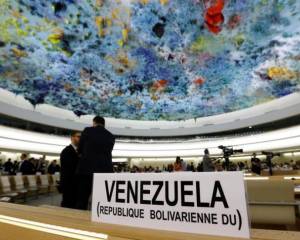
Statement at the 55th Regular Session of the Human Rights Council
Interactive Dialogue with the High Commissioner on Venezuela
Delivered by Marysabel Rodríguez
Thank you Mr. President,
Government persecution is more brutal, this time before elections, moments in which state violence increases.
The abuse of power as punishment continues against human rights defenders, activists, journalists, social leaders, union leaders, politicians and citizens.
Carlos Salazar, a retired worker of the state company PDVSA, is detained and was subjected to forced disappearance for more than 20 days, after disseminating a video showing Alex Saab, an official prosecuted for money laundering, walking through a shopping mall.
Censorship increases with the approaching elections. The government prohibited the coverage of the opposition primaries, under the excuse that it was an illegal act, denying also free association.
At least 12 radio stations were closed in 2023, under arbitrary processes that do not guarantee the right to defense. Between January and February 2024, eight radio stations were closed. Electricity blackouts and digital media blockades continue.
There were at least 10 arrests in 2023 for "incitement to hatred", most of them against union and social leaders, for disseminating information of public interest or questioning the government.
We urgently call on this Council to strengthen the mandate of the Office of the High Commissioner and that of the Fact-Finding Mission. To deny follow-up mechanisms leaves the population even more defenseless, especially in the face of an electoral process without guarantees for basic civil liberties.
We thank you.
-
Victims of human rights violations will be worst affected if South Africa exits the International Criminal Court

CIVICUS speaks to Angela Mudukuti about South Africa’s withdrawal from the International Criminal Court, the implications for human rights and justice and the work which the Southern Africa Litigation Centre is doing on this issue. Angela is a lawyer with the International Justice Programme at the Southern Africa Litigation Centre. Angela is involved in advocacy around international criminal justice issues and strategic litigation, including taking the South African government to court for failure to arrest President Bashir of Sudan
1. What do you think motivated South Africa’s withdrawal from the International Criminal Court (ICC)?
The state seems to advance a number of misplaced excuses for withdrawal in its legal papers and media statements. This includes the allegation that the ICC is targeting Africa, which is of course unfounded as evidenced by the number of self-referrals and the fact that the ICC has preliminary examinations in Afghanistan, Iraq for example. The state also alleges that its commitments to the Rome Statute are a hindrance to peace and security efforts in Africa yet this too does not make any sense as South Africa has been engaged in peace and security initiatives for several years “despite” the obligations in terms of the Rome Statute. South Africa signed the Rome Statute in 1998 and ratified it in 2000 and not once has the Rome Statute been raised as a hindrance to peace-keeping efforts. It is only since the arrival of President Omar Al Bashir in 2015 that South Africa has had problems with the ICC. Thus it cannot really be about peace-keeping as South Africa does not have to host suspected perpetrators in South Africa to successfully conduct peace-keeping activities. They have been involved in mediation efforts since former President Thabo Mbeki’s time and not once have they needed to host President Bashir in South Africa. In fact they explicitly declined to do so in 2009 when President Bashir was expected to attend the 2009 inauguration of President Jacob Zuma. It was made publically clear that President Bashir would be arrested if he came to South Africa and as such he did not come to South Africa in 2009.
The arguments of the state seem to be labouring under the misconception that withdrawal will allow them to host President Bashir, yet as made clear by article 127 of the Rome Statute, the obligations of state party do not evaporate because it decides to leave the Rome Statute, thus South Africa is still duty bound to arrest President Bashir for as long as he is wanted by the ICC. The state has failed to provide justifiable and reasonable excuses for leaving the Rome Statute thus the only plausible explanation was an unfortunate political explanation that only the government itself could provide.
2. What do you think is motivating the antipathy of several African states towards the ICC?
The allegation that the ICC is targeting Africa is the main reason advanced by a number of African leaders. Yet as described above this is not factually accurate. In addition to the fact that this is because of a lack of understanding about the jurisdictional limits of the Court it is also an excuse that is conveniently used by politicians to further their political agenda instead of prioritising justice, accountability and the victims of international crimes. While the ICC is not a perfect institution, it requires support and critical yet constructive engagement from member states.
3. What are the likely implications on human rights and justice for victims of human rights violations?
South Africa leaving the ICC will have serious implications for justice and human rights. It sends the wrong message to the victims of crimes. It also shows that South Africa has chosen to support impunity given its failure to arrest President Bashir and the fact that they seek to abandon the only permanent international criminal court instead of constructively engaging with it. South Africa could potentially become a safe haven for suspected perpetrators of genocide, war crimes and crimes against humanity as the government seeks to repeal the Implementation Act which domesticates the Rome Statute and includes a provision on universal jurisdiction. Should the Implementation Act be repealed a lacuna will be created which could be exploited by potential perpetrators of heinous crimes. In addition, if justice fails at the domestic level, there is no African Court with criminal jurisdiction and if South Africa successfully leaves the ICC, there will be no justice at the international level either. This creates an untenable situation which will leave the victims with nowhere to turn.
4. How is civil society in South Africa responding to the withdrawal?
The Southern Africa Litigation Centre (SALC) is actively involved in legally challenging the constitutionality of South Africa’s notice of withdrawal. The matter was heard in the High Court on December 5 and 6 and the court reserved judgment. SALC will also continue with advocacy to raise awareness and sensitise the general public on the importance of supporting international criminal justice as the move to repeal the Implementation Act should go through the parliamentary process which also includes a process of public participation. Hence it is vital that the general public understand the importance of supporting international criminal justice. Civil society is also actively supporting the development and improvement of domestic justice mechanism as the ICC was designed as a court of last resort and will only function as such if domestic systems are willing and able to deal with international crimes. Though the Rome Statute does not recognise regional courts, civil society are actively seeking to promote credible, impartial regional courts that will not provide immunity for heads of state or senior government officials as we see justice as a three-layer system where each layer functions in a complementary fashion.
5. What are three things South Africans need to know about the ICC as an institution of justice for victims of human rights violations?
a) South Africans need to know that the ICC is an impartial and independent court with limited jurisdiction.
b) They should also know that without the support of the African states, the court may not have come into existence in the first place and thus it is more constructive to work towards improving the ICC instead of simply abandoning it.
c) South Africans should also know that regionally there is no African court with criminal jurisdiction and thus if domestic justice fails it is the ordinary citizens who will have no access to justice.Visit the Southern Africa Litigation website - http://www.southernafricalitigationcentre.org/
-
VIETNAM: ‘The government hates losing face and has zero tolerance for criticism’

 CIVICUS speaks about recent arrests of leading environmental activists in Vietnam with Penelope Faulkner, President of Quê Me: Vietnam Committee on Human Rights (VCHR). The crackdown came just months after the Vietnamese government signed a deal to receive billions of dollars of international aid to tackle climate change, partly on the condition that it would involve grassroots activists in the effort.
VCHR is a civil society organisation (CSO) founded in Paris in 1975 to promote and defend civil, political, economic, social and cultural rights in Vietnam. Working closely with other CSOs, it monitors human rights abuses, informs international opinion through reports and press alerts and mobilises international support for human rights and the release of prisoners of conscience in Vietnam.
Has the situation of Vietnamese climate activists improved following the deal signed by the government to receive international aid to tackle climate change?
The jailing of prominent climate activist Hòang Thị Minh Hồng on bogus charges of tax evasion answers your question. Hòang Thị Minh Hồng is founder and former CEO of CHANGE, a CSO that advocates for action on climate change, the environment and wildlife protection. She is a high-profile environmental activist and former Obama Foundation scholar, and was listed by Forbes magazine in 2019 as one of the 50 most influential women in Vietnam. She was forced to close CHANGE in 2022 in the wake of the arrests of other environmental rights activists, after being harassed by the government.
Her arrest therefore came as a shock, but not a surprise. Her arrest is eminently political, because she has access to a high-level audience in the global environmental community, and her actions and international appeals have a strong influence on the movement for climate change worldwide.
Hòang Thị Minh Hồng was arrested in June 2023. The Just Energy Transition Partnership (JETP) was signed in late 2022. To secure this US$15.5 billion deal, Vietnam pledged to involve civil society in accelerating the country’s shift from coal to renewable energy. Yet six months later, they broke this pledge, and the crackdown continues.
Just this month, Vietnam arrested another prominent environmental rights defender, Ngô Thị Tố Liên, executive director of the Vietnam Initiative for Energy Transition. It is still unclear what charges she faces, but the trumped-up charge of tax evasion is a predictable option. At the time of her arrest, her organisation was working with the United Nations (UN) Development Programme to help implement the JETP.
Ms Tố Liên is the seventh high-profile environmental rights defender arrested since the government launched this crackdown in June 2021. Vietnam clearly has no political will to respect its international commitments, and the repression of grassroots activists is bound to continue.
Why is the Vietnamese government cracking down on the grassroots climate movement?
Up until now, government repression had largely been targeted at political and religious dissidents, human rights defenders and activists calling for freedom and political reforms. Vietnam uses political repression, threats, harassment, arrests and detention under vaguely worded ‘national security’ provisions in the Criminal Code to crack down ruthlessly on bloggers, journalists, followers of non-recognised religious groups, people who participate in demonstrations and civil society activists from all walks of life. At least 200 prisoners of conscience are languishing in Vietnam’s prisons today, some serving sentences of up to 20 years in extremely harsh conditions.
Until recently, the Vietnamese government did not perceive environmental rights defenders as a threat. On the contrary, the authorities have benefited massively from the diverse activities of Vietnamese associations in the fields of development and environmental protection, as well as from the substantial contributions of international CSOs working in Vietnam. In a recent report published in official media, Vietnam said it had received over US$677 million from international environmental CSOs between 2020 and 2022.
Two elements drastically changed this: the ratification of the European Union (EU)-Vietnam Free Trade Agreement (EVFTA), which came into force in August 2020, and the impact of the rising global movement to reduce reliance on fossil fuels.
As in all EU free trade agreements, EVFTA provides for a civil society pillar to monitor implementation of the chapter on trade and sustainable development, which includes environmental issues and labour rights. The pillar consists of two domestic advisory groups (DAGs), one in the EU and one in Vietnam.
Mai Phan Lợi and Bạch Hùng Dương, leaders of the Centre for Media Educating Community, and lawyer Đặng Đình Bách, chair of the Law and Policy of Sustainable Development Research Centre, were Steering Committee members of VNGO-EVFTA, a civil society network created in Vietnam to raise awareness about EVFTA and encourage participation in the Vietnamese DAG. As such, they actively promoted the independent role of civil society in the monitoring process.
These actions put them at odds with the government, whose intent was to maintain the Vietnamese DAG under tight state control. In June 2022, the three men were arrested and sentenced to terms of 30 months to five years in prison for alleged tax evasion. On 10 September 2023, just one day before US President Joe Biden’s visit to Vietnam, Mai Phan Lợi was given early release. But Đặng Đình Bách, who has refused to plead guilty or repay any alleged tax demands, is serving a five-year sentence in Prison No. 6 in Nghe An, where conditions are extremely harsh.
How did the global movement against fossil fuels become a factor in the crackdown?
The Vietnamese government hates losing face. It tolerates activists when they support government development programmes but has zero tolerance for criticism, especially in the international arena. And the ‘crime’ of this new generation of climate change activists in the eyes of the Vietnamese government is to speak out openly to advocate for cleaner energy policies in Vietnam.
Đặng Đình Bách joined 353 CSOs from 58 countries in signing a letter to the G7 Summit calling on world leaders to ‘stop all fuel finance from bilateral and multilateral funding sources, and encourage other governments to do the same’. Award-winning environmentalist Ngụy Thị Khanh, who was also sentenced to two years in prison for tax evasion in June 2022, had written to the government to denounce the disconnect between Vietnam’s international pledges to reduce carbon emissions and the Communist Party’s Power Development Plan aimed at building 27 new coal-fired power plants between 2021 and 2030. She also signed the Hanoi Declaration alongside other CSOs calling on the government to ‘guarantee implementation of provisions in the 2013 Constitution and related texts concerning grassroots democracy, which require consultations with the people and people’s representatives on energy projects from the very moment of their conception’.
For Vietnam, these high-level public declarations are tantamount to threats against national security, and the authorities decided to silence their voices by any means. To avoid international condemnation, instead of charging them under national security laws, it has resorted to the old pretext of tax evasion charges, using loopholes and vague wording in tax laws to silence environmental rights defenders.
Our organisation, VCHR, was among the first to denounce this crackdown on environmental rights defenders, which we see as the tip of the iceberg in a new and far-reaching assault on civil society, and we continue to denounce this at every opportunity. This month we presented the human rights situation in Vietnam at a meeting of the EU DAG in Brussels.
How much space for civil society is there in Vietnam?
In Vietnam’s one-party state, the space for civil society has always been restricted. However, in recent years the authorities have developed a whole range of tools, including new laws, technologies and repressive methods to stifle civil society voices.
Despite government censorship, the internet used to provide a vital space for civil society, but the Cybersecurity Law and other regulations have seriously affected freedom of expression online. One prominent blogger, Nguyễn Anh Tuấn, recently left Vietnam to live in Canada because since the Cybersecurity Law came into force in 2019 he had found it impossible to continue any meaningful activism.
To suppress protests, the government has set up squads of anti-riot police all over the country who are ready to intervene at a local level to nip protests in the bud and prevent them gaining momentum.
New regulations have been enacted to limit CSO access to international funding and ban them organising conferences on topics such as human rights. We have documented these, and many other developments, in a recent report we published jointly with the International Federation for Human Rights. Despite these difficulties, civil society activists keep on. They are extremely brave and resilient. I admire them immensely.
These restrictions also make it extremely difficult for CSOs such as VCHR, based in Paris, to support activists in Vietnam. We stay in contact with movements in Vietnam and circulate information in Vietnamese. VCHR has also conducted in-country human rights training, notably on freedom of religion or belief for the Unified Buddhist Church of Vietnam’s youth movement. However, the responsibility of supporting activists without putting them in danger is extremely heavy, and this work is getting increasingly difficult. I can happily say that no one was ever arrested because of VCHR’s training or other programmes, and this was thanks to the trust and confidence built over many years working in Vietnam.
What international support does Vietnamese civil society need?
The international community should do far more to denounce Vietnam’s repressive policies and practices. As a human rights defender for many decades, I am always surprised how Vietnam manages to escape condemnation for human rights abuses that would cause outcry if they happened in China, Myanmar or elsewhere. Political prisoners are dying in Vietnam due to ill-treatment and lack of medical care. Journalists and bloggers are serving 10 or 15-year sentences simply for exchanging emails. Now environmental activists are being imprisoned for trying to create a cleaner environment for their people. Yet at the same time, the UN Secretary-General applauds Vietnam at the UN General Assembly as a shining example of a country committed to climate change. How can this be?
Economic pressure should be applied when Vietnam fails to uphold its commitments. The JETP should be blocked until Vietnam releases all environmental rights defenders, ceases the current crackdown and guarantees the involvement of civil society in this process. Countries with bilateral trade agreements should use them to press for human rights progress in Vietnam. So much can be done. VCHR is doing its best to amplify the voices of activists in Vietnam and engage in international advocacy to call for greater pressure from the international community. It is a long and hard path, but I believe that in the long run, as the song goes, we shall overcome.
Get in touch withVCHRthrough itswebsite or itsFacebook page, and follow@vchr2016 on Twitter.
Civic space in Vietnam is rated ‘closed’ by theCIVICUS Monitor.
-
Vietnamese activists jailed after sham trial
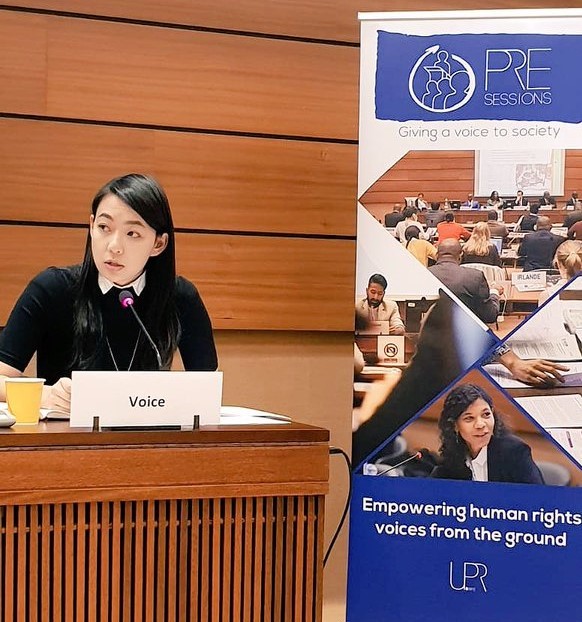
The sentencing of the six activists yesterday for peacefully expressing their opinions, illustrates the Vietnam authorities’ utter contempt for freedom of expression, said global civil society alliance, CIVICUS.
The six, linked to the Brotherhood for Democracy, include prominent human rights lawyer Nguyen Van Dai, who was sentenced to 15 years imprisonment. Van Dai, arrested in 2015, is the co-founder of the Vietnam Human Rights Committee and a pro-democracy activist. He has provided legal assistance to citizens who have faced human rights violations committed by the government and members of religious minorities, and has faced judicial harassment.
Others also received equally harsh sentences. Nguyen Trung Ton and Truong Minh Doc, 12 years imprisonment; Nguyen Van Bac Truen, 11 years imprisonment; Le Thu Ha, nine years imprisonment and Nguyen Van Troi, seven years imprisonment.
The activists were all charged under Article 79 of the Penal Code for ‘attempting to overthrow the state ‘and sentenced after a one-day summary trial.
“The convictions of these activist after a sham trial is a slap in the face of justice. It demonstrates the ruthless determination of the authorities to crush all forms of dissent in Vietnam and to silence peaceful critics. CIVICUS calls for the verdict to be quashed and for the immediate and unconditional release of all of them” said David Kode, Advocacy & Campaigns Lead.
Fundamental freedoms are severely curtailed in Vietnam with activists, journalists and bloggers routinely arrested and imprisoned under vaguely defined national security laws. Media outlets are heavily censored and peaceful protesters have faced arbitrary arrests and excessive use of force by the police. Jailed activists have also been transferred to remote prisons, thousands of kilometers from their families.
In February 2018, the UN Special Rapporteur on freedom of expression, said ‘he was deeply concerned by the increasing number of arrests and the detention of rights activists and journalists covering issues of public relevance in Vietnam.’
“Vietnam has ratified the International Covenant on Civil and Political Rights, which protects the right to freedom of opinion and expression. The authorities must comply with its obligations and halt the harassment, arbitrary arrest and prosecution of activists and bloggers for peacefully carrying out their activities to promote and protect human rights.”
Civic space in Vietnam is rated as closed by the CIVICUS Monitor, a tool that tracks the state of civil society in all countries.
-
We are in this together, don’t violate human rights while responding to COVID-19

As governments are undertaking extraordinary measures to curb the spread of COVID-19, we recognise and commend the efforts states are making to manage the well-being of their populations and protect human rights, such as the rights to life and health. However, we urge states to implement these measures in the context of the rule of law: all responses to COVID-19 must be evidence-based, legal, necessary to protect public health, non-discriminatory, time-bound and proportionate.
-
We need new ways to protect people in the digital era

By Danny Sriskandarajah
In an age of ever-advancing, ever-encroaching technology, how do we ensure that our basic rights are protected? New technologies and the speed of progress these days may have many positive impacts on our lives but the fact that they are poorly regulated and hardly understood by the public, poses serious threats.
Read on: The Sydney Morning Herald
-
We Stand in Solidarity with Ukraine!

As the conflict in Ukraine rages on, the Affinity Group of National Associations (AGNA) and CIVICUS have prepared this solidarity statement for CIVICUS members and civil society in Ukraine in which we highlight the actions that have been undertaken by civil society and others in response to the conflict. The statement condemns Russia’s aggression and informs CIVICUS members and civil society in Ukraine that we stand in solidarity with them during these difficult times and are doing our utmost to mobilise different responses using the networks we are all part of.
***************************Please endorse the statement at the bottom of the page**************************
-
What can we learn from Brazil’s election?

By Ana Addobbati, CIVICUS Board Member and Feminist Activist

Photo credit: Andressa Anholete / Getty Images Brazil has one of the largest democratic populations in the world. But democracy has not been around for very long in the country whose dictatorial past of the 1980s continues to haunt it in the 21st century. Now that Luiz Inácio Lula da Silva has defeated Jair Bolsonaro in the second round with less than 2% of the votes in an election marked by threats of a military coup, the need to reinforce the importance of democratic debate and to challenge misinformation is necessary.
The strategy for the extreme right who wished to end social policies that support most Brazilians was to quickly dominate Congress and the Executive to create an authoritarian regime. Like Trumpism, Bolsonarism used fear to reinforce the image of a saviour. Bolsonaro and his supporters sought to taint the right to protest by equating it with vandalism. They promoted the idea that any opposition to his rule was an obstacle to follow through with the plan to fight corruption. They even spread fake information on social media that electronic voting machines, one of the most sophisticated and secure systems for running elections in the world, were being rigged.
Moreover, in the current era of fake news and biased algorithms which create opinion bubbles, we had a scenario in which memories and historical records of exile about restrictions on freedom of opinion and widespread torture were swapped for a simplistic discourse based on the image of Bolsonaro as a hero fighting corruption. We had conspiracies that a coup was being set by the communists to make Brazil the new Venezuela of South America. Images of demonstrations supporting the right to land and housing were manipulated and projected as demonstrations of violent attempts to usurp private property.
We can see how key democratic values such as the right to protest and having a voice were misrepresented in an effort by extreme right-wing groups to generate fear and legitimise authoritarian acts by the former president, who denied existing racism in the country (with the largest Afro-descendant population in the world), and the existence of COVID-19 (Brazil being responsible for 11% of the world's deaths during the pandemic). The strategy was wrapped with the fight for family values, God and honor.
In the recent elections, President-elect Lula had to unite forces with several parties, in what he called the Alliance for Democracy, to win votes against the extreme right. Bolsonaro resisted admitting defeat at the polls. As a result, thousands of Bolsonaro supporters blocked roads, causing chaos and violence in the country. They didn’t allow hospitals and markets to be supplied. After negotiating with his base of supporters, Bolsonaro finally admitted defeat and called for the violence to end. However, there is still a chance for a coup to take place since Bolsonaro is supported by the Army.
Looking ahead to 2023, Brazilian Congress has challenging prospects with a large number of legislators allied with the Center-right. However, democracy and its mechanisms will enable civil society to keep up the pressure to respect the Constitution and support Brazilians facing deprivation. Brazil has returned to the UN Hunger Map after being cited an example of combating malnutrition in the world.
Our request to the international community is to consider investments in support of democracy and accountable governance. Recently, the Norwegian government reinvested in the Amazon Preservation Fund. Support will be needed through development cooperation to overcome the turmoil in democracy in the past few years. Brazil’s take over by the extreme right should not be seen as an isolated event.
Finally, we need to engage new generations of voters on the value of democracy as a complex process that demands debate and patience beyond the instantaneous or immediate gratification of social networks. On the other hand, we need to see transparency and fighting corruption as an agenda that belongs to all sides to prevent it from becoming hostage again to a demagogue who was able to undermine secular values, freedom of expression and even life by delaying the acquisition of vaccines.
We must reinforce critical thinking and appreciation for democratic values to make them so strong that no algorithm or fake news can overcome generational struggles for freedom.
-
Why are African countries undermining the rights bodies they created?

By David Kode, Advocacy & Campaigns Lead at CIVICUS
The 68th Session of the African Commission on Human and Peoples’ Rights (ACHPR) has just concluded. For civil society organisations, the commission provides an important forum where they can discuss human rights concerns and hold governments to account.
The African Commission and the African Court on Human and Peoples’ Rights play a vital role in upholding fundamental freedoms; the court is the African Union’s continental human rights body, providing an alternative institution that citizens can turn to when they have exhausted all legal avenues in their country.
Regional human rights bodies such as the African Court issue judgments that support fundamental freedoms. Often these decisions overrule rulings made by governments, and in reaction there is now a noticeable trend of African states withdrawing after a decision goes against them and attacking the institutions they helped to create.
Read on Mail & Guardian
-
Why SADC must reinvent or remain irrelevant

By Teldah Mawarire
In times of political crises, as was recently experienced in Zimbabwe, citizens expect the regional body to take a bold stance against leaders who disregard human rights and hinder the advancement of democracy. Zimbabweans were quick to remember the numerous previous failures of the regional community. They roundly rejected SADC’s intervention.
Read on: Pambazuka
-
Why Trump, Brexit and populism could be an opportunity
By Danny Sriskandarajah
Many of the business and political leaders gathering in Davos this week will be focused on how to protect the global economic order - and their interests - after a year of major political and social upheavals. That is the last thing they should be doing. For me, the greatest lesson from 2016 is that we need to build new mechanisms for airing political grievances and addressing economic frustrations.
Read on: Huffington Post
-
WOMEN’S RIGHTS: ‘Violence against women is a global crisis that needs urgent attention’

CIVICUS speaks about civil society’s role in the fight against gender-based violence with Lina AbiRafeh, a feminist activist, women’s rights expert and Senior Advisor for Global Women’s Rights at the Arab Institute for Women at the Lebanese American University, where she served as Executive Director for seven years.
How big a problem is violence against women(VAW)at the global level?
VAW is a muchbigger global problem than we tend to imagine:statistics showone in everythree women and girls will experience violence in their lifetime. The fact so many women and girls are denied the right tolivefreely without facing restrictions and danger makes this a global crisis that needs urgent attention. I personally do not know a woman who has not been affected by some form of this insidious violence. Women have the right to feel free and safe in their own bodies, at home, in the streets and in any public spaces, but unfortunately that is not–and has never been – theirreality.
VAWis a human rights violation thatis embedded in our culture– andwomenare often silenced when they try to speakup.Women-led organisationsand women’s rights groups and movementsmust be supported because they are the voice of these women and girls who are silenced. They are the voice ofallwomen and girls.
Having worked to endVAW around the worldfor 25 years, I knowthis is a very hard problem to crack. VAW stems from a global context of gender inequality where women and girls are viewed as less than men, as second-class citizens. There is lack of awarenessin our societies and lack of political willamong our leaders.Existing laws don’t enable women to access justice, security, services, orsupport.Nothing works the way itshouldto put an end to this violence.
Women and girls remain unequal across every aspect of their lives – politics, economy, health, education and the law. Women and girls are the majority of the world’s poor.They are the majority of those who are illiterate. But they are a minority, an exception, and treated like an anomaly in every aspect of leadership and decision-making. Wage gaps are wide, and women are too often relegatedto the informal sector. And they continue to bear the burden of unpaid care. In too many countries, womenface discriminatory laws that refuse to recognisethem as equals with men.
How much progress has been achievedso far?
Women and girlsaround the worldstill do not have the opportunity to participate fully inevery aspect ofsocial, economic and political life, despite their right to do so.Wehave made progress, butnot enough.
Although advances have been made in trying to reduceVAW, cases continue, and are often perpetrated with impunity.
In many countries, women are being stripped of theirsexual and reproductive rights, compromising their health and denying theirright to decide about their own bodies and lives. In addition,the problem of girl-child marriagecontinues, and increased as a result of COVID-19, with12 million girlsunder 18 being married offevery year.Forthis and other forms ofVAW, rhetoric doesn’t match reality. There is more talk than action.
Women-led organisationsmustbe involved in policydecisions– and be given full leadership.There is a lot of talk about localisation,but this seems to just be a buzzwordas most women’s rights and feminist organisations aremarginalised andunderfunded.This only sets them up for failure because it limits the scope of their work, keeping the support they offer out of reach for the majority of women and girls. We need to fund these organisations fully, andnot with thetypicalshort-term quick-fix project funding but with long-term, unrestricted, open-ended funding thatcan allow them to function and flourish. Local groupsshoulddictate the agenda, not the donors who are holding the strings.
What work do you do to contribute topositive change?
I am committed to building a better world for women. I am a global women’s rights activist, author and speaker with decades of experience worldwide.
I worked for over 20 years as a humanitarian aid worker in contexts such as Afghanistan, the Central African Republic, Haiti and Papua New Guinea.I now work independently, advising organisations and companies to enhance their engagement with women’s rights and gender equality. I also serve as the Senior Advisor for Global Women’s Rights at theArab Institute for Women at the Lebanese American University, where I was Executive Director until 2022.I am also the founder ofYalla, Feminists!, an online space and open platform dedicated to amplifying women’s voices worldwide.
I was honoured to be able to share my passion and experience in ending VAW on global stages including aTEDx talk, a Women DeliverPowerTalk and akeynote address for Swedish International Development Agency annual meeting, among others.
I’ve written two books:Gender and International Aid in Afghanistan andFreedom on the Frontlines. My next book outlines 50 years of Arab feminism and will be published in early 2023. I will keep using my voice in whatever ways I can to fight for women’s rights and remedy inequalities. That’s why I speak andpublish everywhere I can and I serve on the board of numerous global women’s rights organisations.
What good practicesshould be implemented to prevent VAW?
We need to start believing survivors so that perpetrators can be brought to justice.When women see the law is on their side, more willbe encouragedto speakup. Wealsoneed to make sure that survivorshave access to the full range of services and support, and security systems handle their cases with care.
There is also a need to reform education so that more people are taught aboutVAW, consent, human rights and women’s rights – from a very young age.Education canbring us a step closer to defeating thisscourge. We need men to step up to support women and speak up against perpetrators.And yes, we need data, but not at the expense of action. Anyway, data will always underestimate the reality. And what we know is that no country is immune. This affects women and girls everywhere, in every culture and context and community.
Get in touch with Lina AbiRafeh through herwebsite or herMedium blog, and follow@LinaAbiRafeh on Twitter.