human rights

  • SERBIA: ‘The government is allergic to pluralism and keeps discrediting dissenting voices’

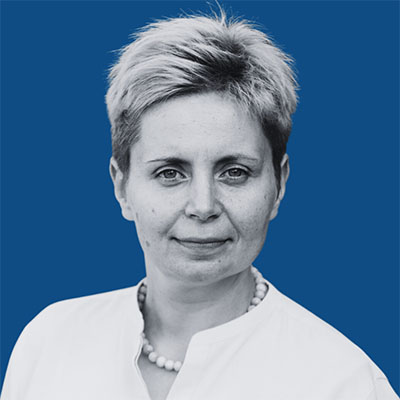
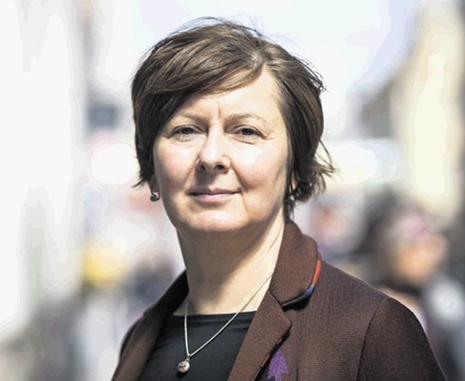
    VukosavaCrnjanskiCIVICUS speaks about Serbia’s upcoming parliamentary elections and civic space conditions withVukosava Crnjanski, founder and director of the Centre for Research, Transparency and Accountability (CRTA).

    Founded in 2002, CRTA is a Serbian civil society organisation (CSO) working to promote civic activism and develop a democratic culture through advocacy, civic education campaigns, electoral observation and the production of public policy proposals.

    What are the conditions for civil society in Serbia?

    The quality of civic space is worsening. In essence, the government is allergic to pluralism and keeps discrediting dissenting voices. Serbian CSOs face great pressure from pro-government media, particularly popular newspapers, which brand them as ‘mercenaries’ and ‘traitors’.

    On top of this chronic situation, the situation has at times greatly escalated. In acute phases, the oppression of civil society intensifies because the government seeks to divert public attention from pressing issues that it wants to conceal. For instance, in the summer of 2020 the Ministry of Finance initiated a campaign against several CSOs, independent journalists’ associations and activists. Harassment took the form of financial scrutiny, imposed under unfounded allegations of their involvement in money laundering and connections with terrorism. A year later, the targeted people and organisations asked that the ministry disclose the results of this inquiry to dispel those accusations – but of course, the results were never made public.

    What prompted the decision to call early elections?

    President Aleksandar Vučić has called early parliamentary elections, to be held on 17 December. He attempted to present this as a response to the opposition’s call for snap elections, a demand that arose when none of the requests of protests held under the motto ‘Serbia Against the Violence‘ were addressed. This movement has been going on for months throughout the country, following two mass shootings in early May that left 17 people dead and 21 injured.

    Vučić thrives in the campaigning phase of politics and in a political environment in which the normal functioning of institutions remains on hold. This has often happened following elections: in the past 11 years, a total of two years, four months and four days have been wasted between calls for elections and the approval of new governments. The president systematically benefits from situations of instability in which he is perceived as the sole stabilising factor.

    What are the main campaign issues?

    The ruling party’s key campaign message is that ‘Serbia Must Not Stop’, implying that any change would halt the country’s development. For over a decade, Vučić’s propaganda has pushed a narrative of Serbia’s alleged economic growth. It’s supported by an enormous media machinery that uses manipulative tactics and constantly calls Serbia ‘the Balkans’ tiger’, repeatedly mentioning ‘new jobs’, ‘foreign investments’ and having the ‘biggest’ infrastructure projects. This blurs the vision of some people, although most can definitely see the emptiness of their wallets.

    The pro-European opposition aims to articulate the rejection of structural violence into an electoral agenda, pledging to free the state from the dominance of a single party. Meanwhile, right-wing nationalist parties commit to ‘save Kosovo’ and strengthen ties with Russia. The new slogan of the Serbian Radical Party, of which Vučić was a prominent official in the 1990s, is ‘Our Fatherland Is Serbia, Our Mother Is Russia’.

    Relations with Kosovo and the imposition of sanctions on Russia stand out as critical issues and their significance is likely to grow. Yet there’s no substantive debate on these matters, which is confusing. The government tries to monopolise these topics, strictly controlling their discussion in the public sphere and labelling anyone else raising them as traitors. It aims to keep these matters opaque to the public, treating them as exclusive realms of backroom politics.

    I assume that the ideologically diverse pro-European opposition will try to avoid these topics out of fear that discussing them will make them an easy target. This decision may also be influenced by opinion polls that indicate that voters are a lot more interested in other topics, namely the economy and corruption.

    How is Serbian civil society, including CRTA, involved in the electoral process?

    As usual, CRTA is actively engaged in the electoral process. Our observation mission is already active across Serbia, monitoring media reporting and campaign activities on the ground and reviewing the work of the electoral institution. We are paying special attention to the problem of pressure on voters. As research we have been conducting for over a year now shows, a large number of people are captured in a network of clientelism and electoral corruption. People from socially vulnerable groups and public sector employees are continuously pressured to give their support to a political party. 

    In addition to monitoring the snap parliamentary elections, we are also observing the municipal elections in the capital, Belgrade.

    The quality of Serbian electoral processes has been deteriorating for years and there is little reason to believe that issues such as biased media, the abuse of public resources and the misuse of public office will magically disappear. However, we are actively working to motivate citizens to vote, and many other CSOs are also about to launch their ‘Get Out the Vote’ campaigns. Whatever problems the electoral process has, increased participation will make things better.

    We hope that the Organization for Security and Co-operation in Europe’s Office for Democratic Institutions and Human Rights will deploy an election observation mission in a full capacity, as recommended by a prior needs assessment mission. This kind of international support is crucial not only on election day but also to boost our advocacy to achieve improvements in the electoral process.


    Civic space in Serbia is rated ‘obstructed’ by theCIVICUS Monitor.

    Get in touch with CRTA through itswebsite or itsFacebook page, and follow@CRTArs andVukosava Crnjanski onTwitter.

  • SERBIA: ‘We are not just fighting locally; we are sending a message to the world’

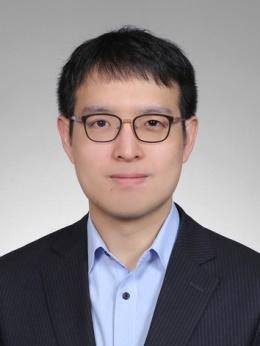
    CIVICUS speaks about the recent protests against the exploration and licensing of lithium mining – for use in batteries, including electric vehicle batteries – in Serbia with Miroslav Mijatović, activist and president of the Podrinje Anti-Corruption Team (PAKT). Founded in 2014, PAKT is a civil society organisation (CSO) working on anti-corruption and the promotion and protection of human rights and freedoms.

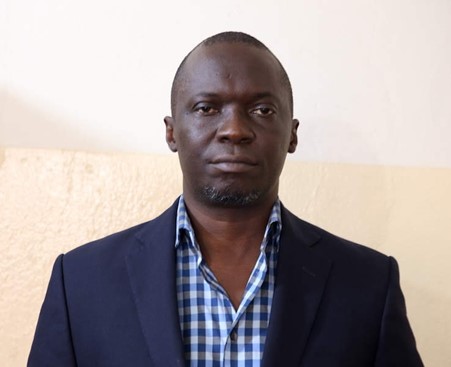
    Miroslav Mijatovic

    What is the ongoing civil society campaign against lithium mining in Serbia?

    There are currently 172 mining exploration permits in Serbia, and lithium is being explored at 10 locations. The project that has progressed the most so far is the one in the Jadar river valley. The company in charge, Rio Tinto, certified the balance reserves of lithium and boron in late 2020, accounting for 158,647,256 tonnes – 1.7 per cent lithium and almost 14 per cent boron.

    Initial investigations are also taking place in other places across Serbia, so people all over have joined our fight in fear of what awaits them.

    The Law on Mining and Geological Explorations (2011-2015) declared lithium and boron to be strategic minerals, and therefore in the public interest, allowing land expropriation to be carried out for those mining projects. As a result, people are afraid that the state will confiscate their property at a very low price.

    Rio Tinto has spread the rumour that it pays a much better price and this has played very well on the field, but it is simply not true. The company has so far managed to buy about 150 of the 350 hectares required to obtain a building permit and approval for exploitation, but I think it won’t be able to get much more. Now everyone expects a move by the state. It is not easy for the government to move on with expropriations before an election, but after these take place in April, the situation will get worse.

    For now, the fight against Rio Tinto is taking place in the justice system. We have not yet entered the field of environmental protection because it is not yet clear which technological process will be used to separate lithium and boron. We have been told Jadar Valley is going to be experimental project, but we don’t want to be treated as lab rats. According to reputable experts and academics we have consulted with, it is almost impossible to extract lithium and boron without a severe environmental impact. Available data shows that over the estimated 60 years of the mine’s lifetime about 90 million tonnes of tailings – mining waste – will be deposited in the Jadar Valley.

    Our efforts are currently focused on the multiple proven violations of Serbian legislation and regulations involved in the state’s dealings with Rio Tinto. As well as violations of national legislation, including of the Environmental Protection Law, the Law on Planning and Construction, the Law on Agricultural Land, the Forest Law and the Law on Environmental Impact Assessment, among several others, there have been repeated violations of the Aarhus Convention, which guarantees the right of people to access timely and accurate environmental information held by the authorities.

    All Rio Tinto contracts are labelled as ‘trade secrets’. The local community knew almost nothing about the project until a special-purpose area spatial plan for Jadar came to light. There are no real controls on what the company is doing because, believe it or not, Serbia only has three mining inspectors.

    What has PAKT done to try to stop the project?

    We helped the local community register their association, ‘We won’t give up Jadar’, and soon decided to start an online petition. We were aware of the fact that a petition does not have any legal power but seized the opportunity to create wider awareness of the issue.

    We requested the help of experts and academics and activated as many public figures, including athletes and actors, as possible.

    We also cooperated with an opposition member of parliament who was able to secure a meeting with the prime minister. We showed her the 300,000 electronic signatures we had collected and explained to her why we were against the mine, but her response was that we were against progress and that was the end of the dialogue.

    However, the media began had started to pay attention, and when foreign television channels began to arrive in the Jadar Valley, we knew that we were no longer alone.

    As for legal action, there are already three complaints filed against the company. The main one is related to large-scale environmental pollution.

    For months we toured the Rio Tinto wells in the Jadar Valley and found out that nothing grew around them, not even weeds. Inspection bodies did not react to our evidence, and then someone approached us with a compensation agreement drawn on behalf of Rio Tinto, in which the company recognised pollution from exploratory wells and offered to pay damages to the plot’s owner. We investigated and found five more such contracts, all classified as secret. There may be many more, because there are over 580 exploration wells in the Jadar Valley.

    We filed a complaint against the company with the Prosecutor’s Office in Loznica, attached the contracts, and requested an independent expert investigation to find out how many wells are leaking and what kind of pollution they produce.

    What did the campaign achieve?

    The campaign connected with the public, and in the second week of protests against the scandalous Expropriation Bill, which the government tried to push through the National Assembly by urgent procedure, there were over 120,000 people on the streets.

    In the face of many displeased people mobilised in an election year, the government reacted. It first withdrew the Expropriation Bill. Then it revoked the decree greenlighting Rio Tinto’s project and backtracked on the spatial plan for the special-purpose area designed for the project’s implementation, which had been illegally introduced.

    Since the beginning of the protests, PAKT has emphasised that these were citizen protests that did not involve the political opposition. This civil revolt achieved something that the weak opposition never achieved under nine years of rule – first as prime minister and now as president – by Aleksandar Vučić: the protests attracted a part of his electorate and gave him a signal to give in.

    It really was the fact that people mobilised in an election year that did the trick. In our last meeting, we asked the prime minister if she had withdrawn the decree on the spatial plan because of growing awareness of the environmental danger, and she replied that she did not yet have all the information on lithium exploitation. It became clear to us that they are afraid of people taking massively to the streets in an election year.

    This raises concerns that the government made what they view as a small temporary compromise to make demonstrators protesters happy but everything will return to normal after the April election.

    How has Rio Tinto reacted?

    We have not been in contact with Rio Tinto for over two years. We believe dialogue only benefits them because afterwards they claim they have engaged with civil society and have listened to our concerns. When we managed to convince other CSOs that this was the right approach, the company went on to found its own fake CSOs to go through the motions of civil society consultation.

    So far, we haven’t received any threats from the company. Threats typically come from domestic extremists who mostly support the Vučić government. We are annoying for many right-wing movements and associations, so they threaten and attack us. While so far we haven’t received serious threats, we have noticed an increased interest of security agencies in our work. But as we have been dealing with corruption for more than 10 years, we are used to this.

    What do you think will happen after the elections?

    It seems that President Vučić has emerged quite strongly from the protests. He seems to have galvanised his electorate, because the public appears to have been sold on his concessions, and now they wonder, what more do environmentalists want?

    In addition, some members of the opposition joined the protests in an attempt to score some political points, which only served to drive many people off the streets. As the opposition is divided, the majority will likely stick with Vučić for another term, and I am genuinely afraid that after the election we will see the real repressive face of this regime.

    Our main goal will be to achieve the adoption of a law banning lithium and boron research, the only thing that could reduce tensions to some extent. We have submitted a bill to that effect and even proposed to set up a working group with experts from government and civil society. We urged for this to happen before the election campaign is underway, because we do not believe the government’s intentions are sincere. It is highly unlikely it will agree to pass this law by urgent procedure before the elections, so protests will likely continue.

    What support could international civil society and the international community provide?

    Any help and support from international civil society will be welcome, particularly in terms of amplifying and internationalising environmental issues. We are not just fighting here locally to protect our environment; we are sending a message to the world about the dangers of extracting lithium from solid sediments, which are simply not acceptable anywhere in the world. We all need to be vigilant.

    As an organisation whose mission is to trace the flow of public resources and money, we have also made the connection between environmental and anti-corruption issues. This government is turning Serbia into a European landfill, and there are obvious reasons why it gives tacit approval for corporations to violate environmental standards to reduce production costs.

    European Union (EU) companies and civil society should deal with this issue, because the situation in Serbia will eventually affect the business of EU companies and distort competition, ultimately affecting the quality of life in the EU.

    Civic space in Serbia is rated ‘obstructed’ by theCIVICUS Monitor.
    Get in touch with PAKT through itswebsite or itsFacebook page. 

  • Serious concerns over ongoing violations of human rights in Nicaragua and lack of accountability for perpetrators

    His Excellency António Guterres 

    Secretary-General United Nations 

    405 East 42nd Street New York, NY, 

    10017 USA 30 

    By email: and  

    Dear Secretary-General, 

    We, the undersigned civil society groups working across different regions, write to bring to your attention the ongoing erosion of the rule of law and systemic violations of human rights in Nicaragua. President Daniel Ortega and his Frente Sandinista de Liberación Nacional, (FSLN) party are executing a sustained campaign that targets civil society organisations, human rights defenders and the political opposition and are silencing any form of alternative views.  

    Independent institutions including the judiciary and other public bodies are controlled by the government, making it impossible for President Ortega and his administration to be held accountable for any human rights violations they perpetuate. The government has  repeatedly ignored regional and international recommendations to stop these human rights violations and if nothing is done urgently, there will be no space left for civil society and independent voices to operate.  We are very concerned about the following; 

    Unprecedented deregistration of civil society organisations and restrictions on free associations 

    We are concerned that over the last four years, the Nicaraguan authorities have systematically targeted civil society organisations and outlawed over 400 NGOs accusing them of undermining the regime, acting as “foreign agents,” or failing to provide financial statements. The number and types of organisations targeted is unprecedented including organisations that provide much needed assistance to improve the health of children, those that work on development projects for rural communities, excluded and marginalised groups, and aid organisations. For example, the Matagalpan Women’s Collective, whose legal status was cancelled in 2021,  provided much needed care to women and children and to libraries and community homes for more than three decades. Others include the Nicaraguan Coordinating Federation of NGOs Working with Children and Adolescents which brought together organisations working to promote the rights of children and adolescents for over three decades. 

    Multiple human rights organisations, environmental groups, professional associations, cultural and educational institutions and religious organisations have also been impacted. The targeting of these organisations have been preceded and backed by a series of decrees sponsored by the FSLN. For example, in May 2022, the National Assembly approved four legislative decrees that led to the cancellation of the legal status of 94 civil society organisations and Foundations. The authorities have followed some of these actions by appropriating the assets of some organisations including the Nicaraguan Centre for Human Rights.  

    To further restrict the right to freedom of association, the authorities promulgated the General Law for the Regulation and Control of Non-Profit Organisations on 6 May 2022. The law imposes additionalrestrictions for the registration of organisations and provides the government with the discretion to demand information about the activities, funding and beneficiaries of organisations. The Nicaraguan authorities are empowered to first authorise activities of organisations before they are implemented and organisations are prohibited from participating  in political activities - which is broadly defined.  

    Criminalisation of independent media outlets and targeting of journalists 

    We are concerned about the ongoing censorship of independent media outlets and the arrests and intimidation of journalists. Since 2018, more than 20 media outlets have been closed down and at least 120 journalists have fled Nicaragua to avoid reprisals from the state.  On 10 June 2022, journalist Juan Lorenzo Holmann of the La Prensa newspaper was sentenced to nine years in prison on charges of “money laundering.” He was arrested in August 2021.  On 16 February, journalist Miguel Mendoza was sentenced to nine years in prison and banned from holding political office after he was found guilty of “conspiring to undermine national integrity” and “disseminating false news.” 

    Judicial persecution, intimidation and detention of human rights defenders and members of political parties 

    The FSLN regime continues a campaign of repression, persecution and detention of human rights defenders, activists members of the political opposition and those who are critical of the government. Dozens of human rights defenders and the political opposition were arrested in the period leading to the elections and charged with security-related offences under the Penal Code and the  Sovereign Law.  In mostcases the trials of those arrested are characterised by irregularities and many are not tried in court but at the Directorate of Judicial Assistance (DAJ) of the prison also known as the Chipote.  

    Most of the trials are rushed and sentences are handed to those detained without due process. Those convicted include activist Yader Parajon who demanded justice for victims of government repression and was found guilty of “conspiracy to undermine national integrity” on 2 February 2022. Ana Margarita Vijil, a feminist activist and former President of the opposition group Unamis, was convicted on 2 February 2022. The persecution and detention of activists continue despite the fact that the Inter-American Commission on Human Rights (IACHR) has  expressed concerns over the deplorable and inhumane detention conditions, including those for women.  Because of these restrictions, Nicaragua is rated Closed by the CIVICUS Monitor

    We request that you urge the government of Nicaragua to; 

    1. Reverse all restrictive policies and laws used to outlaw civil society organisations and create an enabling environment for them to operate without fear of reprisals.
    2. Lift all restrictions and civil society organisations imposed by the government so they can continue carrying out their activities.
    3. Release all human rights defenders, members of the political opposition, activists and other arrested and detained and drop all charges against them.  
    4. Take steps to review the General Law for the Regulation and control of Non-Profit Organisations together with civil society with a view to amending its restrictive provisions. 
    5. Respect the rule of law at all times and guarantee the independence of the judiciary and state institutions 
    6. Respect the rights of members of the political opposition and their supporters and create an enabling environment for political participation

  • Shock and sadness spurs anti-Trump protestors

    Ahead of the inauguration of Donald Trump as president of the United States of America, activists and civil society are mobilising protests against the new establishment. CIVICUS speaks to Nicole Barner, an activist who works on economic justice and is based in Washington D.C. Barner will take part in some of the inauguration day protests.

  • SIERRA LEONE: ‘Civil society plays a crucial role in ensuring free and fair elections’

    JohnCaulkerCIVICUS speaks about Sierra Leone’s 24 June general election with John Caulker, founder and executive director of Fambul Tok.

    Founded in 2007, Fambul Tok (‘Family Talk’ in Krio language) is a civil society organisation (CSO) that promotes peace, restorative justice and community building in post-civil war Sierra Leone.

    What’s at stake in the 2023 general election?

    For many Sierra-Leonean voters, the most pressing concerns revolve around the economy. In his first term in office, President Julius Maada Bio of the Sierra Leone People’s Party, who has just won re-election, allocated 21 per cent of the government budget to support education, positioning himself as a champion of human capital investment. In his second presidential campaign, Bio expressed a commitment to overhaul Sierra Leone’s agricultural sector, believing it will lead to an economic turnaround.

    Bio’s supporters believe that the global economic crisis is the main reason for the current financial predicament in Sierra Leone. But Sierra Leone’s economic instability started a lot earlier, with the outbreak of Ebola in 2014, and subsequently deteriorated further with the decline in iron ore mine prices on the global market, the COVID-19 pandemic and the war between Russia and Ukraine. Inflation is in double digits, its highest level in almost two decades.

    The main opposition party, All People Congress, nominated the same candidate, Samura Kamara, who previously lost the presidential election in 2018. Kamara, who is an economist, pledged to revive Sierra Leone’s struggling economy and promote national unity.

    Both President Bio and Samura Kamara have significant support throughout Sierra Leone, while other candidates hoped that public dissatisfaction with the economy would turn votes against the two major parties.

    In addition to selecting a president, voters also elected new lawmakers, mayors and councillors.

    What changes have been introduced to the electoral law?

    As a result of a 2022 electoral reform, Sierra Leone now uses a proportional system for allocating parliamentary seats. The president decided to adopt this system to avoid by-elections and increase women’s representation, which can be done through legislative quotas when using party lists. The change was judicially challenged, leading to a landmark Supreme Court ruling that upheld the proportional representation system.

    Some people believe that by adopting party lists and using multi-member districts, the proportional system takes away their right to choose representatives directly and hands that power over to political parties. Chernor Maju Bah, the leader of the parliamentary opposition, expressed concerns regarding the limited timeframe for educating the public about the intricacies of the new system and argued that more time was necessary to ensure a smooth transition.

    Have fundamental civic and democratic freedoms been respected during the election process?

    In recent years Sierra Leone has made progress towards safeguarding and upholding freedoms of expression and association in line with its constitution and international human rights standards. However, the situation has varied over time and challenges have arisen in some instances. For example, ahead of the election the Political Parties Regulation Commission imposed a ban on all street rallies organised by political parties. Many viewed this as an infringement of their right to peaceful assembly. However, political parties were still able to gather peacefully in public spaces such as stadiums, large fields and town halls. The use of social media is also subject to limitations and regulations outlined in the Cyber Security and Cyber Crimes Act of 2021. Some arrests have been made for violations of this law.

    Sierra Leone has also made significant steps to improve its electoral processes and ensure a transparent, democratic and inclusive political system. Civil society plays a crucial role in ensuring free and fair elections by promoting voter education, monitoring the electoral process and advocating for electoral reforms. Both the government and civil society have made considerable investments to ensure that citizens are well-informed about their rights, the electoral process and the importance of participating in elections, thereby creating a more knowledgeable and engaged electorate.

    Sierra Leone has also welcomed international election observers from various organisations and institutions, who provided an impartial assessment and promoted transparency. Moreover, political parties have collectively agreed to abide by a Code of Conduct setting out guidelines for ethical campaigning and peaceful behaviour during elections, encouraging parties to uphold democratic principles and discouraging any form of violence or intimidation.

    How has civil society, including Fambul Tok, engaged in the election process?

    CSOs have been vigilant and expressed concern over increasing ethnic-based campaigns, hate speech and unrest. These are viewed by civil society as early warning signs of conflict and election-related violence.

    Although Sierra Leone has made progress in holding generally peaceful and credible elections, there have been isolated incidents of violence during this election period, including clashes between supporters of different political parties and between opposition supporters and the police, and instances of property destruction such as arson. The opposition also called for public demonstrations following the resignation of the electoral commissioner.

    As a peacebuilding organisation, Fambul Tok is focused on promoting nonviolence and voter education through our community structures and is advocating for a culture of political tolerance. Fambul Tok facilitates stakeholders’ meetings to promote peace and national cohesion and avoid malice and violence despite political differences. This has promoted peaceful and inclusive political dialogue, raised awareness about electoral misconduct and ensured that appropriate measures are in place to prevent and address electoral violence, intimidation and any other actions that undermine the integrity of the process.

    What international support is Sierra Leone’s civil society receiving, and what other forms of support would you need?

    International support plays a crucial role in assisting Sierra Leone’s civil society in both the pre-election and post-election phases. Even though funding support for civil society has diminished during these elections, CSOs continue to collaborate with international institutions to uphold the values and principles of democracy.

    International organisations, in partnership with the CSO National Elections Watch, have provided capacity-building training and financial resources to strengthen the skills and knowledge of local CSOs in election monitoring, advocacy, voter education and human rights promotion. This support enhances the effectiveness of civil society in promoting free and fair elections and safeguarding human rights. However, there is also a need for technical resources such as communication tools, data analysis software and logistical support to further enhance the capabilities of civil society.

    In 2018 there was post-election violence throughout society. The international community should support CSOs to engage in post-election peace and cohesion campaigns. This involves encouraging communities to accept the outcome of the electoral process and respect the rights of individuals. Diplomatic missions and human rights organisations should remain engaged in the process and keep advocating for a conducive environment for free and fair elections. They can do this by applying diplomatic pressure, issuing public statements and engaging with national authorities to address concerns related to civic space, human rights and electoral integrity.

    It is crucial that international support is tailored to the specific needs and priorities of Sierra Leone’s civil society, in close consultation and collaboration with local groups. This approach ensures that support is context-specific, sustainable and responsive to challenges on the ground.


    Civic space in Sierra Leone is rated ‘obstructed’ by theCIVICUS Monitor.

    Get in touch with Fambul Tok through itswebsite orFacebook page, and follow@fambultok onTwitter.

  • SIERRA LEONE: ‘We advocate for a civic space where people can protest with no risks’

    Andrew LavaliCIVICUS speaks about recent protests in Sierra Leone with Andrew Lavali, Executive Director of the Institute for Governance Reform, a civil society organisation (CSO) that advocates for good governance in Sierra Leone.

    What triggered the recent protests in Sierra Leone?

    Sierra Leone has many underlying issues that have greatly contributed to the recent protests. First, political polarisation has grown tremendously since the change of power in 2018. Fights over limited public sector jobs have made politics a zero-sum game.

    For the past 15 years we have seen this happen as groups in power try to appease their support bases by employing people from a certain region, who then risk losing their jobs when the government changes. To an extent, preaching hate and stoking polarisation have become a political strategy used by parties to either stay in power or propel themselves to leadership.

    It appears the opposition party has not fully embraced the result of the 2018 election and it may have fuelled the protests, judging by the fact that these broke out only in areas where the opposition have a strong presence and not throughout the country. The fact that protests are focused in certain places makes one to think that they are not just about socio-economic issues but there are also underlying political issues.

    At the same time, there are genuine concerns about economic hardship. COVID-19 restrictions and the Russian-Ukraine war have resulted in rising prices of essential commodities, especially for people living in urban areas. Socio-economic issues such as high youth unemployment and poor access to essential services are real problems. Protesters are demanding the president’s resignation due to the economic hardship they are experiencing.

    How have the authorities responded?

    During the protests both civilians and police officers were attacked, and some were killed, revealing an ongoing tension between citizens and the police. Evidence shows that the protests were in no way peaceful. They were leaderless and faceless. Some Sierra Leoneans living abroad used social media to call for protest. According to the police, they only heard about the protest on social media. They did not receive any official request from an identifiable person for police clearance.

    As soon as the violence erupted and the situation became unsafe for those not protesting, the government imposed a curfew. There were also internet restrictions imposed because protesters were coordinating their actions via social media platforms. Security presence on the streets has increased since then. These measures helped to scale down the violence and improve safety and security.

    The government also responded by making arrests. A leading youth activist in an opposition area was killed during a police raid. The response raised concerns about how police are trained to handle protests. The police have not sat down with interest groups to see how future protests can be organised. There are legitimate fears that given Sierra Leone’s recent history of violence, high youth unemployment and economic hardship, protests can easily get out of control and become very difficult to handle.

    Do you think the response will deter people from protesting?

    People will certainly be timid for a while, but I don’t think the police response will stop them mobilising in the long run. There are too many issues citizens want the government to address and if it fails to do so, protests will inevitably keep breaking out. Regardless of protests being instrumentalised for political purposes, there is a general situation of hardship that needs to be addressed. As civil society we will continue to monitor the situation and try to bring citizen voices into policy conversations.

    Protest restriction has a long history in Sierra Leone. For the past 15 years police have failed to grant permission to protest. This strained relationship with the police has culminated in a case against the police being brought to the Supreme Court by civil society. Civil society is currently documenting the events that are taking place and will then get together to discuss the situation and try to find a way to advocate for more open civic space in which people can protest without risking their lives.

    What assistance is needed from the international community?

    We need the international community to help us promote democracy, the rule of law and effective governance. International allies should support open platforms for dialogue between the police and various interest groups on the rights and responsibilities of protesters and the role of the police in securing their rights. The international community could help CSOs create awareness and provide training so that the security forces will protect the rights of citizens to exercise their right to protest safely.

    Civic space in Sierra Leone is rated ‘obstructed’ by theCIVICUS Monitor. 
    Get in touch with the Institute for Government Reform through itswebsite or itsFacebook page, and follow@GovernanceFor on Twitter.

  • SIERRA LEONE: ‘We are dealing with a relentless campaign by anti-rights groups’

    Nicky Spencer CokerCIVICUS speaks about the struggle for sexual and reproductive health rights in Sierra Leone with Nicky Spencer-Coker, head of advocacy and movement building of Purposeful Sierra Leone.

    Purposeful is a feminist hub for girls’ activism, rooted in Africa and working all around the world. The organisation has played an active role in promoting the Safe Motherhood and Reproductive Health Bill in Sierra Leone.

    What is the Safe Motherhood and Reproductive Health Bill?

    The Safe Motherhood and Reproductive Health Bill is currently being drafted following the president’s announcement that his government unanimously backs an initiative to promote risk-free motherhood, made during the 10th Africa Conference on Sexual Health and Rights held in Freetown, Sierra Leone, in early July. But the message that came out on the media was that Sierra Leone had legalised abortion, which was actually not the case.

    Following its announcement, the government has hired national and international consultants to take part in the process. Further, a working group that includes activists, practitioners and government officials is working alongside the Ministry of Health.

    The expectation is that the bill will have reached parliament by the time the new parliament opens in October. Sierra Leone will have elections next year and we do not want this to carry over into the election period because we could face problems with members of parliament wanting to protect their seats by not engaging with an initiative that could be viewed as controversial, as it should include access to sexual and reproductive health services. We hope the bill will be submitted to parliament by October and it will pass this year.

    In 2015 parliament passed the Safe Abortion Act, which was supposed to allow women and girls access to safe abortions. But the former president blocked the bill, possibly due to both lack of political will and pressure from anti-rights and religious groups.

    It is worrying that the same issues that led the former president to not sign the Safe Abortion Act continue to be raised by certain segments of society in the context of the Safe Motherhood and Reproductive Health Bill. We hope this time around it will be different because our president has signalled that he and his cabinet are willing to challenge abortion stigma in the context of health services for girls and women.

    In addition, our government has signed international instruments such as the Protocol to the African Charter on Human and Peoples’ Rights on the Rights of Women in Africa, which requires states to provide people with access to adequate and affordable health services. This puts pressure on the government to respect and promote the right of women to health, including sexual and reproductive health. We remain hopeful that these commitments will be fulfilled.

    How has civil society in general, and your organisation in particular, advocated for abortion rights?

    Women’s rights groups and activists for sexual and reproductive health rights have been fighting for the abolition of colonial-era abortion laws for years, with the movement growing stronger in 2014 and 2015 when the Safe Abortion Act was being advanced. Most of these organisations and activists collaborate under the umbrella of the People’s Alliance for Reproductive Health Advocacy, a coalition that advocates for sexual and reproductive rights through engagement, dialogue and partnership with key stakeholders.

    As well as being part of the coalition, Purposeful also operates as an independent organisation that carries out our own advocacy work in communities. We are an African-led feminist hub for girls’ activism, and we want to make sure Sierra Leonean girls inherit a world where they can live safely and have choices. High on our agenda are sexual and reproductive rights, but we work on a wide platform including the provision of comprehensive sexual education, accurate information on reproductive health choices and life skills.

    A strategy that has proven particularly successful for the Coalition has been to engage directly with various groups of stakeholders. We have tried to stay in constant dialogue with organisations and people who vehemently oppose women’s sexual and reproductive rights. Telling human stories that show how women and young girls are affected by the lack of access to reproductive health services has helped bring awareness of the severity of the issues we face.

    Over the years, the Coalition has been fortunate to work with medical professionals and the Ministry of Health to shift the narrative on the safe termination of pregnancy and safe motherhood in Sierra Leone, a country with a very high rate of teenage pregnancy and maternal mortality. A significant number of these deaths are caused by lack of access to safe abortion and reproductive health choices.

    Have you faced anti-rights backlash?

    In 2015, when the Safe Abortion Act was being discussed, there were several confrontations between anti-rights groups and civil society activists, and I was nearly assaulted when attending a parliamentary session. For the drafting of the current bill we are not seeing the same level of aggression, but we are dealing with a relentless campaign by some anti-rights and religious groups that are going on radio and television to denounce a bill that does not even yet exist.

    We don’t find the backlash surprising and we know that the position of certain groups won’t ever change. But it’s the government’s responsibility to look to the greater good and ensure the health and wellbeing of women and girls.

    Besides, we have seen a positive response from the public. I think this is the result of civil society’s focus on sharing information and creating awareness. We also appreciate international attention, as it will provide incentives for the government to stay true to its words.

    What are the next steps, and what kind of international support would Sierra Leonean civil society need?

    There is a joint drive by the Ministries of Education and Health to ensure the success of the initiative that is pushing the government to provide comprehensive sexual education in schools. Our country has extremely high rates of teenage pregnancy, which we hope to reduce through education. While legalising abortion is important, many other issues regarding accessible and affordable health services for women and girls must also be addressed, and healthcare professionals must be adequately trained to provide those services.

    We need international civil society to keep these issues on the agenda. In Africa we have noticed that when you stop insisting on something, governments automatically think the issue is off the table and there’s no need for them to do anything about it. It’s our job to continue to remind our government that it has signed certain instruments that make it imperative for it to recognise the reproductive rights of women and girls. We also need to have a cross-border conversation with other African countries that have more progressive reproductive health rights legislation.

    Civic space in Sierra Leone is rated ‘obstructed’ by theCIVICUS Monitor.
    Get in touch with Purposeful through itswebsite orFacebook andInstagram pages, and follow@Purposeful_org on Twitter.

  • Singapore must expand civic space and end undue restrictions on fundamental freedoms: UN Human Rights Council Side Event

    Amidst emerging threats to civic space, representatives from civil society called on Singapore’s Government to abide by its international legal obligations and commitments to respect fundamental freedoms in a Human Rights Council side event held on 29 September, a day before the adoption of the outcomes from Singapore’s Universal Periodic Review (UPR).

  • SINGAPORE: ‘The entrenched system instils fear, making progress for civil society slow and difficult’

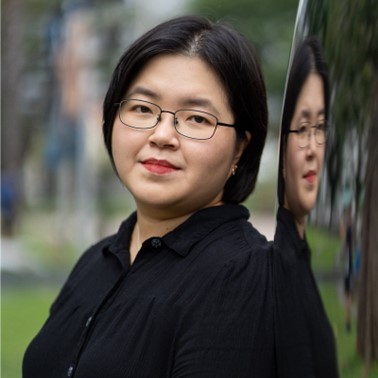
    Kirsten HanCIVICUS speaks about Singapore’s recent leadership change with Kirsten Han, an independent writer, journalist and member of the Transformative Justice Collective (TJC).

    The TJC is a group that works to demystify and challenge Singapore’s criminal punishment system, including by calling for the abolition of the death penalty.

    Who is new prime minister Lawrence Wong and what are the implications of his recent appointment?

    Lawrence Wong is a long-time civil servant who served as the principal private secretary to former prime minister Lee Hsien Loong before entering politics. He’s seen as a stable and reliable leader rather than a maverick. His political approach has so far emphasised continuity and stability, and there’s been little indication that significant changes in human rights and civil liberties will occur under his leadership. This suggests the status quo will largely be maintained, which isn’t positive for civil society.

    We expect a general election to be held relatively soon, but the exact timing is uncertain and will be determined by Wong. There’s speculation the election could take place around September or, failing that, before the end of the year, but no date has been set. This will be the first election with the fourth generation of the People’s Action Party (PAP) officially at the helm.

    The PAP has been in power since 1959 and has undergone three generational changes so far. While there may not be the same level of enthusiasm or reverence for this new generation of leaders, dramatic shifts in the political landscape are unlikely. Any change is expected to be gradual, with the PAP possibly losing more of its vote share, but I don’t expect major upheavals.

    There’s currently little information on Lawrence Wong’s policy agenda. He’s not yet laid out anything very specific about his administration’s priorities across domestic and foreign policy. Every new prime minister in Singapore has promised a more open Singapore, but this hasn’t materialised, particularly not in greater respect for fundamental rights like freedom of expression or assembly. While Wong’s leadership style may differ from his predecessor’s, what really matters is the substance. And I haven’t seen much to be hopeful about for civil society on this front.

    What are people’s expectations?

    There’s considerable public concern about the cost of living and housing. Property and rental prices have risen significantly, making housing a major issue Wong will have to address.

    Among politically engaged young Singaporeans, there’s increasing discussion about Singapore’s role and relationship with Israel, an issue the government is reluctant to address publicly. The government has imposed strict controls on public organising and activism on the Israel–Palestine issue, including blanket bans on public activities and restrictions on the use of Speaker’s Corner, a traditional space for public discourse. Several activists have been put under police investigation for activities in solidarity with Palestine.

    Young Singaporeans are also concerned about racism and racial justice, and would like to see greater openness to differing political views. There’s growing pressure for change and an increasing desire for political plurality, in general and in parliament.

    The government has so far been able to manage a lot of this pressure, including by investigating activists and maintaining tight controls. The entrenched system, with its many levers of power and control, continues to instil fear among people, making progress for civil society groups gradual and challenging. Nevertheless, momentum for change is slowly building.

    What’s Wong’s position on thedeath penalty?

    As far as I know, Wong has not publicly stated his position on the death penalty. This issue remains primarily the responsibility of the Minister for Home Affairs and Law, who retained his position in Wong’s cabinet reshuffle. I don’t expect the government’s stance on the death penalty to change any time soon. If Wong has a different opinion from what the minister has expressed, we’ve not seen any evidence of it. Personally, even if a difference did exist, I’m not convinced Wong’s position would prevail over the status quo.

    Progress has been extremely difficult for the abolitionist movement. It has become increasingly hard for death row prisoners to find legal representation for post-appeal applications. Many represent themselves, and even then, they are often accused of abusing the legal process. In May, the Minister for Home Affairs and Law said in parliament that they’re looking into how to tackle what they say are cases of abuses of legal process, suggesting it will become even more difficult for death row prisoners to file applications.

    This could have repercussions for activists who support them. In the same speech, the minister publicly highlighted my involvement in helping the mother of a death row prisoner file an application. He read out my email address in parliament, accusing me of helping abuse the court.

    In addition, the government is aggressively promoting its pro-death penalty narrative. It has declared an annual Drug Victims Remembrance Day and launched extensive campaigns to highlight the harm caused by drugs to argue that a war on drugs is needed. This narrative basically frames death penalty abolitionists as endangering or betraying Singapore by undermining its war on drugs. The implication is that activists are opposing the country’s efforts to protect people from the dangers of drugs.

    While this response from the government suggests our campaigning has had some impact, it also indicates a strong resistance to change. At present, there’s no sign the government is moving away from the death penalty; in fact, it’s doubling down on its position. The campaign for abolition remains an uphill battle.

    Do you expect the situation of civil society to change under Wong?

    Civil society in Singapore is under considerable pressure. Over the past decade, conditions have tightened and people continue to be investigated for exercising their right to freedom of assembly. As far as we can see, this trend is likely to continue. While there can always be hope that Wong will prove us wrong once he settles into his role, right now there’s no indication anything is going to improve.

    We continue to hear about people being called in for police investigations. Recently, a migrant worker who’d been the victim of harassment, Uddin MD Sharif, was unjustly repatriated. After police closed their investigation without finding the harasser, Sharif was forced to return to Bangladesh because he no longer had a work permit and was no longer needed for the investigation. He appealed to Wong, who Sharif said promised to convey the appeal to the immigration authorities, but nothing changed and Sharif was still sent back.

    This suggests that either Wong has little influence over discretionary policy or he did not prioritise a case that was so clearly unjust. This doesn’t inspire confidence Wong will be more progressive or active in defending human rights and workers’ rights, so I don’t expect civil society to have an easier time under his leadership.

    Civic space in Singapore is rated ‘repressed’ by theCIVICUS Monitor.

    Get in touch with the TJC through itswebsite,Facebook orInstagram page, and follow@kixes and@tjc_singapore on Twitter.

  • Singapore: Open letter to parliamentary candidates and political party leaders to prioritise fundamental freedoms

    As Singaporeans prepare to go to the polls in parliamentary elections on 10 July 2020, the Asian Forum for Human Rights and Development (FORUM-ASIA), CIVICUS: World Alliance for Citizen Participation and the International Commission of Jurists urge all parliamentary candidates and political party leaders to commit to respecting and protecting human rights, particularly fundamental freedoms, as part of their mandate.

  • SLOVENIA: ‘The government has taken advantage of the pandemic to restrict protest’

    CIVICUS speaks about the recent right-wing shift in Slovenia with Brankica Petković, a researcher and project manager at the Peace Institute in Ljubljana. Founded in 1991, the Peace Institute-Institute for Contemporary Social and Political Studies is an independent, non-profit research institution that uses research and advocacy to promote the principles and practices of an open society, critical thought, equality, responsibility, solidarity, human rights and the rule of law. It works in partnership with other organisations and citizens at the local, regional and international levels.

  • Solidarity with Palestine repressed: Trends and case studies
    • Pro-Palestinian protests met with restrictions: bans, arrests, excessive force
    • Student pro-Palestine activism repressed, particularly in western countries
    • Activists, CSOs, journalists targeted with reprisals for expressing solidarity with Palestine

    On 7 October 2023, Hamas forces launched an unprecedented attack on Israel, killing over 1,100 people and taking more than 200 hostages. This was followed by Israel’s devastating military offensive on Gaza, in which more than 41,431 people, the majority of them civilians, have been killed. Gaza’s entire population of 2.1 million people now requires humanitarian aid. Almost all, including around a million children, lack adequate access to food, water, shelter and medical care. Some 60 percent of Gaza's buildings have been destroyed, including civilian facilities such as hospitals, schools and places of worship. Despite diplomatic efforts to broker a ceasefire, Israel continues its offensive.

    Palestine’s already constrained civic space has deteriorated, with many human rights violations documented. Israeli forces are deliberately targeting humanitarian aid convoys and killing aid workers: 304 have been killed so far, and more UN aid workers have been killed in Gaza than in any other conflict in the organisation’s history. Israel’s bombardment is also destroying civil society buildings and killing civil society staff. Suspensions of funding for UNRWA – the UN’s agency for Palestine – and civil society organisations (CSOs) have further impeded vital humanitarian efforts. 

    Over 130 journalists have been killed by Israeli forces in Gaza, and others have been attacked, injured and detained, while recurring telecommunications blackouts have limited people’s access to vital information and hindered the humanitarian response.

    The civic space implications go beyond Palestine. The CIVICUS Monitor, a collaborative research initiative that tracks the health of civic freedoms, has documented violations across the globe that restrict people’s right to express solidarity with Palestine. 

    In numerous countries – including Australia, Egypt, France, Kenya and Malaysia – freedom of peaceful assembly has been restricted for people wishing to gather to show solidarity with Gaza and demand a ceasefire. Restrictive measures taken by authorities include protest bans, arrests of protesters and organisers and excessive use of force. For example, in Sweden in May 2024, police used pepper spray and forcibly removed and detained protesters during a sit-in near Malmö Arena where the Eurovision Song Contest was taking place. In Kenya, protesters marching peacefully in solidarity with Palestine have been arrested and violently dispersed by the police, including in protests held in October 2023 and January 2024. In Malaysia, peaceful protesters have been hauled before the police for questioning after organising or participating in solidarity protests for Palestine.

    In Europe and the USA, authorities have repressed pro-Palestine activism by university students. At the University of Amsterdam in the Netherlands, police violently broke up a student encampment to demand that the university administration cut ties with Israeli-affiliated institutions. Police used batons, pepper spray, police dogs and bulldozers against protesters. Clashes broke out as protesters resisted eviction, with a protester and a police officer injured. Police detained 169 protesters.

    In the USA, at least 3,000 people – students and university faculty and staff – have been detained as a result of raids. CSOs have reported a troubling pattern of institutions scrutinising pro-Palestinian students for alleged ‘material support for terrorism’, despite a lack of evidence, and proposing discriminatory measures such as visa cancellations and deportations. Universities in the UK have been accused of collaborating with the police to monitor and potentially criminalise students taking part in pro-Palestine protests or expressing solidarity with Palestine on social media. On 19 November 2023, police visited a University of York student at home due to a social media post supporting Palestine. 

    People expressing solidarity with Palestine have been targeted with reprisals, including activists and journalists who have been dismissed or suspended from their jobs. In Canada for example, Global News dismissed journalist Zahraa Al-Akhrass October 2023, over social media posts expressing her critical views on Israel’s violence in Gaza. A month later, the University of Ottawa temporarily suspended Yipeng Ge, a physician, over social media statements that referenced ‘apartheid’ and ‘settler colonialism’. In Egypt, the BBC arbitrarily suspended Sally Nabil, its bilingual correspondent, in February 2024, after Nabil liked a tweet expressing solidarity with Palestine.

    CSOs have also been targeted. In October 2023, the Belgian Minister of Culture asked his administration to investigate two CSOs because they had published statements on the situation in Gaza. Even after they were cleared of wrongdoing, the minister stated that he wanted to keep the organisations under ‘heightened scrutiny’. In Germany, Berlin police deployed around 200 officers in December 2023 to conduct raids on homes and premises connected to members of Zora, a pro-Palestinian anti-fascist feminist collective. The raid was prompted by a statement the group posted on its Instagram account on 12 October that said ‘No liberation of women without the liberation of Palestine’.

    Recommendations

    • The Israeli government must immediately agree to a permanent ceasefire, a peace process and unimpeded humanitarian access.
    • States should respect the right of people to protest for Palestinian rights and refrain from violence, arrests and vilification.
    • University and police authorities should respect the right of students to protest peacefully.
    • Authorities should stop conflating legitimate criticism of the Israeli state with antisemitism and extremism.

    Additional resources:

    Recommendations for universities worldwide for the second semester of 2024: Safeguarding the right to freedom of peaceful assembly and association on campuses in the context of international solidarity with the Palestinian people and victims - Gina Romero, UN Special Rapporteur on the rights to freedom of peaceful assembly and of association (FoAA).

    Analysis by the European Civic Forum examines how European governments have repeatedly cracked down on individuals and organisations expressing solidarity with the Palestinian people in marches, demonstrations and cultural activities. See report, Restrictions on Palestine Solidarity (May 2024).

  • SOMALIA: ‘Civil society is playing key roles in the ongoing constitutional process’

    MahadWasugeCIVICUS speaks with Mahad Wasuge, executive director of Somali Public Agenda (SPA), about recent constitutional change and its implications for Somali civil society.

    SPA is a non-governmental, non-partisan think tank based in Mogadishu, Somalia’s capital. It focuses on producing independent, high-quality research and analysis on public policy issues in Somalia. Its work encompasses governance, security, economic development, social issues and public service delivery. SPA aims to inform policy decisions and improve the quality of governance and public services through evidence-based research.

    What’s the state of civic space, democratic institutions and the rule of law in Somalia?

    Civic space in Somalia is not particularly strong. It falls short of standards due to the country’s fragility and the state of its public institutions. Weak public institutions mean civic freedoms are not enforced as they should be. While several civil society organisations (CSOs) focus on governance issues and support dialogue, there are many that are closely aligned with the government and therefore lack a critical approach.

    Some CSOs, including SPA, conduct independent analysis and facilitate dialogue between politicians and civil society actors. In Mogadishu and other parts of the country, freedom of speech is generally respected. People can express their views without fear of government retaliation. There are various radio and TV stations in Mogadishu covering national stories.

    But the overall quality of civic space is lacking. Institutions that should uphold freedoms face numerous challenges, including lack of funding and limited independence due to political interference.

    How have recent constitutional changes impacted on this situation?

    The constitutional amendments haven’t had a significant impact yet, as they were only approved on 30 March. Parliament went into two months of recess after approving them, and civil society has so far had little time to work on the amendments made and the related challenges, including around implementation.

    The main change is that the president will now be elected by popular vote and will appoint a prime minister, who the president will be able to remove at their discretion. Previously, the president was elected by parliament and the prime minister was approved by parliament after being appointed by the president, and could only be removed through a parliamentary no-confidence motion. The change shifts the system of government from semi-parliamentary to semi-presidential. Some argue that it represents a disruption of the existing power-sharing system, which has been a source of political stability.

    The change hasn’t been fully supported by key opposition groups. It has also caused friction with the semi-autonomous state of Puntland. Lack of broad acceptance among key stakeholders will create challenges to implementation. The federal government’s limited authority and Puntland’s effective control over its jurisdiction pose specific implementation challenges. There’s a chance that the constitutional amendments and the current stalemate could lead to political crisis and worsen centre-periphery relations.

    How did civil society engage with the constitutional amendment process?

    Civil society engaged in several ways. For instance, we organised dialogues and invited the chair of the Independent Constitutional Review and Implementation Commission to a forum so he could explain the process. We invited policymakers involved in the amendment process onto our podcasts and authored papers on the topic. We also participated in a two-day conference organised by the government to gather civil society views on the amendments.

    Other CSOs held dialogues. Women’s groups advocated for a 30 per cent parliamentary quota for women, while journalists’ associations focused on freedom of speech and expression.

    Many CSOs and activists tried to influence and contribute to the process. The constitution has 15 chapters, with only four amended so far, leaving 11 chapters untouched. These include critical issues such as the devolution of power, the roles of the president, prime minister and cabinet, the judiciary, financial governance and independent commissions. Civil society should play a role in influencing and contributing to these discussions as well.

    For the first four chapters of the constitution that were amended and approved recently, changes were made following parliamentary debates and societal input. For instance, it was established that the requested gender quota will be addressed by special legislation. The minimum age for membership in the election management body was reduced from 40 to 35 years, making it more inclusive. It can be challenging to attribute specific changes made to civil society, as similar views may have been expressed in parliamentary debate. However, it's clear that civil society’s advocacy played a key role in shaping the final version of the amendments.

    What are the potential consequences of Puntland’s rejection of the constitutional changes?

    Puntland’s rejection of the constitutional changes would mean limited legitimacy due to lack of representation from key regions, as is already the case with the breakaway region of Somaliland.

    This is why the role of civil society in the upcoming period will be crucial. We have discussed the situation internally at SPA, thinking of how to create a space for dialogue between the federal government and Puntland. We’re trying to facilitate discussions on critical political issues, although we are a non-political CSO and can only create a space for dialogue when stakeholders are willing to sit together and discuss issues.

    The present priority should be to engage with key stakeholders, hearing their perspectives and potentially making further amendments, particularly on contentious issues such as power-sharing and elections. Mediation is essential. International actors, notably the United Nations, have been working to bring the federal government and Puntland together for dialogue. Civil society also plays a role in bridging the gap and facilitating communication. A compromise could address key grievances and offer solutions to both parties.

    If direct dialogue is not possible, civil society can still share written views and recommendations with the relevant authorities to suggest potential solutions for the rift between the federal government and Puntland. Other member states of Somalia may also oppose the federal government if they disagree with the constitutional amendments, although they have not yet clarified their position on these.

    What international support does Somali civil society need to continue playing these roles?

    The international community has supported Somali civil society over the years, but broader instability continues posing challenges to civil society. Many civil society actors who could be effective at the societal level have joined the government, partly because the government requires their expertise. Civil society also struggles with funding, a common problem for civic institutions worldwide, as they rely on domestic and international financial support rather than profits.

    International actors can help by facilitating interactions among different civil society groups. They could promote dialogue and establish strong relationships between them, enabling these groups to collaborate and advocate collectively for common causes. This type of coordination is currently lacking in Somalia, as many organisations operate independently without joining forces. International organisations could play a key role in fostering these connections and promoting unity among civil society groups.


    Civic space in Somalia is rated ‘repressed’ by theCIVICUS Monitor.

    Get in touch with Somali Public Agenda through itswebsite and follow@somalipubagenda and@MahadWasuge on X, formerly Twitter.

  • South Africa celebrates Human Rights Day but major challenges remain

    As South Africa commemorates Human Rights Day tomorrow, 21 March 2018, it is an opportunity for the government now led by President Cyril Ramaphosa to situate human rights at the centre of all actions of the government in line with the constitution and address recent human rights violations.

  • SOUTH AFRICA: ‘We were denied the right to give or refuse our consent, so we took Shell to court – and won’ 

    SineguguZukuluCIVICUS speaks about civil society’s recent court victory against Shell in South Africa with Sinegugu Zukulu, programme manager of Sustaining the Wild Coast (SWC). SWC is a South African civil society organisation that works with coastal communities of Eastern Mpondoland, South Africa, to protect their land, livelihoods and culture. 

    What inspired you to become an environmental activist? 

    My personal story made me become an environmental activist. I grew up on communal land, where people shared everything and people could depend on each other. People in my community had little education. I was one of the few lucky ones who were able to attend university. However, people were good at sharing. They practised ubuntu, a concept that refers to our shared humanity and the way we see our humanity reflected in each other. Among us everything is shared, from the water we drink to the land where we grow our crops. 

     The fact that I grew up in a community where we all took care of each other and shared everything made me who I am. As I got an education while most didn’t, I found I could use it to give back to my community. Because people in communities like mine were so poorly educated, governments could do whatever they wanted. So I decided to step up for my people and help them understand their rights and protect themselves. 

    It was only natural for me to focus on environmental rights, as I got my degree in environmental studies. When the government started a project to build a highway cutting through my community, I brought a case to the High Court. Unfortunately, this was not successful and we are now renegotiating to have the road rerouted. 

     Why is it important to protect South Africa’s Wild Coast? 

    All our coastal communities rely on the Wild Coast for their livelihoods. For most coastal communities, the Wild Coast is also their source of income: they sustainably profit from the environment, for instance by catching fish and selling it in villages and to tourists. The tourism industry employs many people, so this is another way in which people depend on the coastline. 

    Additionally, the Wild Coast holds spiritual meaning. People training to become traditional healers go to the coast to get in contact with their ancestors. We believe the ocean is our final resting place, so our ancestors lay there. Saltwater is used in most healing practices. 

    Due to the number and diversity of its marine species, the Wild Coast is also a marine protected area. The extraction of fossil fuel has the potential to destroy it, on top of contributing to climate change when it’s burned. So we should also protect the Wild Coast from extraction for the sake of the Earth. 

    What challenges did you face when campaigning against Shell? 

    Just like any other government, South Africa’s wants to attract investment, particularly by multinational corporations such as Shell, with which it has a great relationship. That’s why our court case set us not just against Shell but also against our government. 

    A big challenge was the government’s delegitimising narrative. The Ministry of Mineral Resources and Energy labelled us as ‘anti-development’. The government refused to listen to us and to have an open dialogue about Shell’s potentially negative impact on coastal communities. 

    We wanted to have Shell’s exploration permit revoked because we saw it as a threat to our livelihood and to a safe environment. You just need to google what happened with Shell in Ogoniland in Nigeria and you will understand our concerns. We don’t want an oil spill on our coasts.  

    South Africa has good environmental legislation, but much of it is lacking in implementation, so that is what the environmental movement focuses on. The law is very clear; our constitution says we have the right to a safe and healthy environment. If someone wants to do something on our land, we should be consulted, and we weren’t. We were denied the right to give or refuse our consent, so we took Shell to court – and won. 

    South African civil society enjoys the freedoms needed to challenge the government in court. But financial resources were critical. We had no money to travel to communities and mobilise them, so we did all our mobilisation work through social media, where we provided information, published press releases and shared videos. We had to look for a law firm that was able and willing to take this matter to court, and that would agree to take the risk even if there were not enough financial resources. Fortunately, we were able to find several legal firms that were willing to come to our rescue. These are firms that prioritise human rights issues and support litigation by Indigenous communities, and fortunately the judges required Shell and our government to pay our litigation costs.  

    What does this victory mean for South Africa and the environmental movement? 

    This victory means a lot in terms of our right to self-determination as guaranteed by the United Nations, as it made it clear that free, prior and informed consent must always be sought. It also ratified our constitutional right to a safe and healthy environment. 

    It is a victory not just for us but also for future generations. We are working so that their right to a safe and healthy environment will also be protected.  

    We are now working on a documentary about our struggle, which we plan to launch at the upcoming conference of the parties to the United Nations Framework Convention on Climate Change (COP27) in Egypt, although we lack the resources to travel there. We would love to inspire Indigenous communities elsewhere to also rise up and defend their territories. By doing so we will be ensuring life on this planet continues to be possible.  

    What kind of support do South African environmental activists need from the international community? 

    The most important thing we need right now are financial resources to continue doing our work. 

    We also need international partners and support. Shell is a British company, but the UK government has no problem with it going around the world searching for more fossil fuels, in the middle of a climate crisis. These first-world multinational companies are going to third-world countries to extract ever more profit at the cost of compromising our livelihoods and worsening climate change. As always, the real victims are the poorest people. 

    This has got to stop. Organisations from the countries where these companies come from should work with us and pressure them to stop. Corporations should move to safer energy sources; fossil fuels are not the answer anymore. 


     Civic space in South Africa is rated ‘obstructed’ by the CIVICUS Monitor

    Get in touch with Sustaining the Wild Coast through its website or Facebook page. 

  • South Africa: threats and attacks against civil society actors continue

    Statement at the 52nd Session of the UN Human Rights Council 

    UPR Outcomes Adoption – South Africa

    Delivered by Nicola Paccamiccio

    Thank you, Mr President.

    Mr. President, Human Rights Institute of South Africa (HURISA), the Centre for the Study of Violence and Reconciliation (CSVR) and CIVICUS welcome the government of South Africa's engagement with the UPR process.

    We also welcome the decisions by the High Court and Constitutional Court in 2019 and 2021 respectively, declaring as unconstitutional the Regulation of Interception of Communications and Provision of Communication Related Information Act (RICA), which was subjected to misuse by the authorities who sometimes used it to spy on journalists. Furthermore, we welcome the 2018 Constitutional Court’ judgement reinstating the High Court constitutional invalidity of section 12(1)(a) of the Regulation of Gatherings Act 205 of 1993 for considering a criminal offence the failure to give notice or inadequate notice. We further appreciate the President Ramaphosa’s decision to return ‘The Protection of State Information Bill’, also known as the ‘Secrecy Bill’, which disproportionately infringes on the rights to the freedom of expression and access to information, to the National Assembly for consideration of his reservations about its constitutionality.

    Since its last review, South Africa partially implemented one of the five recommendations relating to civic space. We welcome that South Africa accepted all 19 of the 19 recommendations it received during this cycle.

    Despite these improvements, threats, intimidation and attacks against HRDs, in particular women HRDs (WHRDs) and those defending land and environmental rights, housing rights and whistleblowers, and the impunity thereof, remain a grave concern. The killing of Mama Fikile Ntshangase, the repeated attacks and killings of Abahlali baseMjondolo (AbM), of trade unionist Malibongwe Mdazo, of whistleblower Babita Deokaran and the fleeing into exile of whistleblower Athol Williams highlight the dangerous context in which all activists and human rights defenders operate.

    Journalists who expose deep-rooted corruption in the security and law enforcement agencies are increasingly targeted by State and private sector spies, as seen in the bugging of journalist Jeff Wicks by officials from Crime Intelligence after his reporting about the police force and Crime Intelligence unit.

    South Africa has continued to undermine the freedoms of expression and opinion through restrictive legal framework. The amended Film and Publications Act commenced in 2022 leaves the Film and Publications Board with wide discretion to decide what content is acceptable online, raising concerns that it could be used as a means of censorship for online content. Separately, the Non-profit Organisation Amendment Bill 2021, poses a big risk that the law may be used to control international funding of organisations or media that could be seen as critical of the government. We call on the government to withdraw this Bill as its compulsory registration of foreign CSOs that intend to operate in South Africa represent a threat to the full enjoyment of the right to freedom of association.

    The continued use of excessive force and arbitrary arrests by security forces in response to protests is another cause for concern. Peaceful protests have been met with excessive force by police officers, including through the use of rubber bullets and teargas, which at times have led to the killing and injury of protesters and bystanders.

    HURISA, CSVR and CIVICUS call on the Government of South Africa to take concrete steps to address these concerns by developing a legislative framework to protect human rights defenders in the exercise of their work, including taking urgent measures to establish a commission of inquiry into the killings, and by bringing the Non-profit Organisation Amendment Bill in line with standards on freedom of association.

    We thank you.


    Civic space in South Africa is rated as "Obstructed" by the CIVICUS Monitor

  • SOUTH KOREA: ‘North Korean defectors and activists face increasing pressure to stay silent’

    Ethan Hee Seok ShinCIVICUS speaks with Ethan Hee-Seok Shin, a legal analyst with the Transitional Justice Working Group (TJWG), a Seoul-based civil society organisation (CSO) founded by human rights advocates and researchers from five countries. Founded in 2014, it is the first Korea-based CSO focused on transitional justice mechanisms in the world’s most repressive regimes, including North Korea. TJWG aims to develop practical methods for addressing massive human rights violations and advocating justice for victims in pre and post-transition societies. Ethan works on TJWG’s Central Repository project, which uses a secure platform to document and publicise cases of enforced disappearances in North Korea. He uses legislative and legal action to raise awareness about North Korean human rights issues.


    Can you tell us about the work being done by South Korean civil society groups about the human rights situation in North Korea?

    There is a rather broad range of CSOs working on North Korean human rights issues. TJWG has been working to prepare the ground for transitional justice in North Korea, in line with its core mission of human rights documentation.

    TJWG’s flagship project has resulted in a series of reports mapping public executions in North Korea, based on interviews with escapees living in South Korea. We record the geospatial information of killing sites, burial sites and record storage places, including courts and security service facilities, by asking our interviewees to spot the locations on Google Earth. The report’s first edition was released in July 2017 and was based on 375 interviews, and its second edition was launched in June 2019 after conducting 610 interviews.

    We are also currently in the process of creating an online database of abductions and enforced disappearances in and by North Korea, called FOOTPRINTS. This uses Uwazi, a free, open-source solution for organising, analysing and publishing documents, developed by HURIDOCS, a CSO. When launched to the public, FOOTPRINTS will provide an easily accessible and searchable platform to track individuals taken and lost in North Korea.

    Other than documentation and reporting work, we have been active in international and domestic advocacy. Jointly with other human rights CSOs, TJWG drafted and submitted an open letter urging the European Union to strengthen the language and recommendations in the annual human rights resolutions adopted by the United Nations’ (UN) General Assembly and Human Rights Council on North Korea. We have also made case submissions to the UN Working Group on Arbitrary Detention, the UN Working Group on Enforced or Involuntary Disappearances and other UN human rights experts.

    In July 2020, the South Korean government revoked the registration of two CSOs and issued a notice of administrative review and inspections of ‘defector-run’ groups working on human rights in North Korea. Why are these groups being targeted?

    The direct catalyst was the June 2020 provocations by North Korea. On 4 June, Kim Yo-Jong, sister of supreme leader Kim Jong-Un and the first vice department director of the Workers’ Party of Korea’s Central Committee, criticised the ‘anti-DPRK [Democratic People's Republic of Korea] leaflets’ flown to North Korea by ‘North Korean escapees’ and threatened the cessation of Mount Kumgang tourism, the complete demolition of the Kaesong industrial region, the closure of the inter-Korean liaison office, or the termination of the 9/19 military agreement (the 2018 agreement to create demilitarised buffer zones) unless the South Korean authorities took ‘due measures’.

    Just four hours after Kim Yo-Jong’s early morning bombshell, the South Korean Ministry of Unification (MOU) announced that it would prepare legislation banning the distribution of leaflets to North Korea. This was a complete reversal of the government’s longstanding position, which consistently avoided such legislation for fear of infringing upon the freedom of expression.

    On 10 June 2020, the MOU announced that it would file criminal charges against Park Sang-Hak and Park Jung-Oh, two defectors from North Korea, for violating article 13 of the Inter-Korean Exchange and Cooperation Act, which requires prior approval of any inter-Korean exchange of goods, and would revoke the incorporation of their organisations, Fighters For Free North Korea (FFNK) and KuenSaem, for sending leaflets in air balloons and rice-filled PET bottles on sea currents to North Korea, as they did on 31 May 2020.

    While the North Korean government eventually toned down its rhetoric, the South Korean government began to take actions against North Korean human rights and escapee groups, viewed as a hindrance to inter-Korean peace.

    On 29 June 2020 the MOU held a hearing and on 17 July it announced the revocation of the legal incorporation of FFNK and KuenSaem for contravening incorporation conditions by grossly impeding the government’s reunification policy, dispersing leaflets and items to North Korea beyond the stated goals of their incorporation and fomenting tension in the Korean peninsula under article 38 of the Civil Code, a relic from the authoritarian era. 

    The MOU also launched ‘business inspections’ of other North Korean human rights and escapee settlement support groups among the over 400 associations incorporated by MOU’s permission, possibly with a view to revoking their incorporation. On 15 July 2020, the Association of North Korean Defectors received a notice from the MOU that it would be inspected for the first time since its incorporation in 2010. The following day, MOU authorities informed journalists that they would first conduct business inspections on 25 incorporated North Korean human rights and escapee settlement support groups, 13 of them headed by North Korean defectors, with more to be inspected in the future. While acknowledging that the leaflet issue triggered the inspections, the MOU added that the business inspections would not be limited to those involved in the leaflet campaign.

    How many groups have been reviewed or inspected after the announcements were made?

    Because of the international and domestic uproar caused by the obviously discriminatory nature of the inspections targeting North Korean human rights and escapee groups, the MOU has somewhat toned down its approach, and has belatedly begun to argue that it is focusing on all CSOs registered under the MOU.

    On 6 October 2020, the MOU told reporters that it had decided to inspect 109 out of 433 CSOs for failing to submit annual reports or for submitting insufficient documentation. According to the information provided, 13 of the 109 groups to be inspected are headed by North Korean escapees; 22 (16 working on North Korean human rights and escapee settlement, five working in the social and cultural fields and one working in the field of unification policy) have already been inspected and none has revealed any serious grounds for revocation of registration; and the MOU intends to complete the inspection for the remaining 87 CSOs by the end of 2020.

    In any case, the government appears to have already succeeded in its goal of sending a clear signal to North Korea that it is ready to accommodate its demands in return for closer ties, even if it means sacrificing some fundamental principles of liberal democracy. The government has also sent a clear signal to North Korean human rights and escapee groups with the intended chilling effect.

    How has civil society responded to these moves by the government?

    Civil society in South Korea is unfortunately as polarised as the country’s politics. The ruling progressives view the conservatives as illegitimate heirs to the collaborators of Japanese colonial rule between 1910 and 1945, and post-independence authoritarian rule up to 1987. The previous progressive president, Roh Moo-Hyun, who served from 2003 to 2008, killed himself in 2009 during a corruption probe, widely seen as politically motivated, under his conservative successor. The incumbent Moon Jae-In was elected president in 2017, riding a wave of public disgust at his right-wing predecessor’s impeachment for corruption and abuse of power.

    Most CSOs are dominated by progressives who are politically aligned with the current Moon government. The progressives are relatively supportive of the human rights agenda but are generally silent when it comes to North Korean human rights because of their attachment to inter-Korean rapprochement. The same people who talk loudly about Japanese ‘comfort women’ – women forced into sexual slavery by Imperial Japan before and during the Second World War – or authoritarian-era outrages readily gloss over present North Korean atrocities in the name of national reconciliation.

    Most North Korean human rights groups are formed around North Korean escapees and the Christian churches of the political right that passionately characterise leftists as North Korean stooges. Many are also generally hostile to contemporary human rights issues such as LGBTQI+ rights, which is rather ironic as Australian judge Michael Kirby, the principal author of the 2014 UN report that authoritatively condemned the grave human rights violations in North Korea as crimes against humanity, is gay.

    The largely progressive mainstream CSOs have not been on the receiving end of persecution by the government led by President Moon; on the contrary, prominent civil society figures have even been appointed or elected to various offices or given generous grants. Some do privately express their dismay and concern at the government’s illiberal tendencies, but few are ready to publicly raise the issue because of the deep political polarisation.

    Is the space for civil society – structured by the freedoms of association, peaceful assembly and expression – becoming more restrictive in South Korea under the current administration?

    The Moon government has displayed worryingly illiberal tendencies in its handling of groups that it views as standing in its way, such as North Korean human rights and escapee groups, who have faced increasing pressure to stay silent and cease their advocacy. 

    President Moon has reopened a dialogue with the North Korean government to establish peaceful relations, neutralise the North’s nuclear threat and pave the way for family reunification, along with other estimable goals.

    However, along with US President Donald Trump, President Moon has employed a diplomatic strategy that downplays human rights concerns. Notably, neither the 2018 Panmunjom Declaration between North and South Korea nor the Joint Statement issued after the 2018 Trump-Kim summit in Singapore make any mention of the North’s egregious human rights abuses.

    In the weeks before President Moon met North Korean leader Kim in Panmunjom, there were reports that North Korean defector-activists were being prevented from carrying out their activism. In October 2018, South Korea acquiesced to North Korea’s demand to exclude a defector journalist from covering a meeting in North Korea. On 7 July 2019, there was an extraordinary rendition of two defectors, fishers who were allegedly fugitive murderers, to North Korea five days after their arrival without any semblance of due process.

    The Moon government has resorted to illiberal tactics on other perceived opponents as well. A man who put up a poster mocking President Moon as ‘Xi Jinping’s loyal dog’ (referring to the Chinese president) at the campus of Dankook University on 24 November 2019 was prosecuted and fined by court on 23 June 2020 for ‘intruding in a building’ under article 319 (1) of the Penal Code, even though the university authorities made clear that they did not wish to press charges against him for exercising his freedom of expression. Many criticised the criminal prosecution and conviction as a throwback to the old military days.

    The government has also moved to exercise ever more control over state prosecutors. The Minister of Justice, Choo Mi-ae, has attacked prosecutors who dared to investigate charges of corruption and abuse of power against the government, claiming a conspiracy to undermine President Moon.

    Another worrying trend is the populist tactic by ruling party politicians, notably lawmaker Lee Jae-jung, of using the internet to whip up supporters to engage in cyberbullying against reporters.

    What can the international community do to support the groups being targeted?

    In April 2020 the ruling party won the parliamentary elections by a landslide, taking 180 of 300 seats, thanks to its relative success in containing the COVID-19 pandemic. The opposition is in disarray. All this has emboldened rather than humbled the government, and its illiberal tendencies are likely to continue. Due to the severe political polarisation, ruling party politicians and their supporters are not likely to pay much heed to domestic criticism.

    The voice of the international community will therefore be crucial. It is much more difficult for the government to counter concerns raised by international CSOs as politically motivated attacks. A joint statement or an open letter spearheaded by CIVICUS would be helpful in forcefully delivering the message that human rights in North Korea are of genuine concern for the international community.

    Furthermore, South Korea will soon be submitting its fifth periodic report to the UN Human Rights Committee in accordance with the list of issues prior to reporting (LOIPR). Because North Korea-related issues and concerns are not included in the LOIPR, it would be extremely helpful if international CSOs joined forces to include them in the oral discussion with the members of the Human Rights Committee and in their concluding observations.

    In the shorter run, country visits to South Korea by the UN Special Rapporteur on the Promotion and Protection of the Right to Freedom of Opinion and Expression, the UN Special Rapporteur on the Rights to Freedom of Peaceful Assembly and of Association, and the UN Special Rapporteur on the Situation of Human Rights Defenders would be excellent opportunities to internationalise the issue and put pressure on our government.

    Even progressives may support a reform of the outdated law on CSO registration, for instance, as a matter of self-interest, if not of principle, in case of change of government.

    Civic space inSouth Korea is rated ‘narrowedby the CIVICUS Monitor.
    Get in touch with the Transitional Justice Working Group through itswebsite orFacebook page, and follow@TJWGSeoul on Twitter.

  • South Korea: Civic space regresses under President Yoon

    한국어로 읽기

    CIVICUS, a global civil society alliance, is concerned about the erosion of civic freedoms since President Yoon Suk-yeol took office in May 2022, especially actions taken to stifle the media, freedom of expression and to target trade unions. These actions, highlighted in a brief published today, are inconsistent with commitments made by South Korea to the UN Human Rights Council. They also contravene its international human rights obligations guaranteed in the International Covenant on Civil and Political Rights (ICCPR).

    SKoread.ResearchBriefMore than two years after President Yoon was elected, press freedom has deteriorated in South Korea. The country has dropped in global press freedom rankings. There have been raids on media outlets such as Joongang Tongyang Broadcasting Company (JTBC) and online news outlet Newstapa as well as the homes of journalists. Defamation charges have also been filed against the media by Yoon’s administration and his political allies.

    The restrictive National Security Act has been continuously used as a means to censor and cast a chilling effect on those who exercise their right to freedom of expression. In November 2023, the UN Human Rights Committee stated that it remains concerned about prosecutions under the law and in particular under the excessively vague wording of Article 7 that bans ‘praising or propagating activities of any anti-state organisation’.

    “The Yoon government must halt its efforts to stifle the media and file defamation charges against journalists, just for undertaking their work. Instead, it should decriminalise defamation and end its harassment and intimidation of journalists. The authorities must also amend the National Security Act, so that it complies with international human rights law and is not used to harass, intimidate, arrest, or prosecute those peacefully exercising their rights to freedoms of opinion and expression,” said Josef Benedict, Asia researcher at CIVICUS.

    CIVICUS is also alarmed about the harassment and intimidation of trade unions. Over the last two years, their offices have been raided by the police and National Intelligence Service (NIS) and some unionists have also been arbitrarily arrested. There have also been allegations of ill-treatment of trade unionists by the police. Unions have criticised President Yoon’s use of union-bashing rhetoric, to vilify them and put them at risk of attacks.

    There are also concerns about the policing of protests in South Korea and restrictions in law and practice that are not consistent with international human rights law and standards. The UN Human Rights Committee stated in 2023 that the banning of a significant number of rallies to ensure the smooth flow of traffic, particularly in the vicinity of the President’s office, is not in conformity with the principles of proportionality and necessity.

    “The authorities must put an end to the stigmatisation, interference and judicial harassment of trade unions, and instead foster an enabling environment for the exercise of their right to freedom of association. It must also adopt best practices on freedom of peaceful assembly and review the Assembly and Demonstration Act to ensure that protests are not restricted by law enforcement officials,” said Benedict.

    As South Korea pursues membership of the UN Human Rights Council for the term 2025-2027 in October 2024 and seeks to be an advocate for democracy regionally and globally, it must take effective steps to improve its record on civic freedoms at home.

    Download the South Korea research brief here.

    Civic space in South Korea is rated ‘narrowed’ by the CIVICUS Monitor.

    About the CIVICUS Monitor

    Over twenty organisations collaborate on the CIVICUS Monitor to provide an evidence base for action to improve civic space on all continents. Civic freedoms in 198 countries and territories are categorised as either ‘closed,’ ‘repressed ,’ ‘obstructed ,’ ‘narrowed ’ or ‘open ,’ based on a methodology that combines several data sources on the freedoms of association, peaceful assembly and expression

  • South Korea: Joint letter calling for the immediate passage of a comprehensive Anti-Discrimination Law

    National Assembly of the Republic of Korea

    1 Uisadang-daero, Yeongdeungpo-gu, Seoul 07233

    Republic of Korea

  • South Sudan: Extend the UN Commission’s mandate for two years

    In a letter, signatory orga­nisa­tions stress that the CHRSS is the only mechanism tasked with collecting and preserving evidence of vio­la­tions of in­ter­­­na­tional law with a view to ensuring accountability in South Sudan. The CHRSS’s work, they add, remains vital as the conditions that prompted the Human Rights Coun­cil to establish the CHRSS, in 2016, have not significantly changed to warrant less scrutiny. 

    “All trends and patterns outlined in a civil society letter released one year ago have worsened,” signatories write. As parties to the 2018 revitalised peace agreement (R-ARCSS) agreed to extend South Sudan’s transitional period by 24 months, but violence and impunity remain per­va­sive and South Sudanese civil society faces intensifying repression, the signatories urge states to extend the CHRSS’s mandate in full for two years. 

    They write: “This is not the time to relax the Council’s scrutiny. The mandate of the CHRSS remains critical and should continue until the reasons that led the Council to establish this mechanism have been addressed in a meaningful manner. The CHRSS should remain in place at least for the national elections (scheduled for Decem­ber 2024) to be held and the end of the tran­sitional period, in Feb­ruary 2025.”

civicus logo white

CIVICUS es una alianza global que reivindica el poder de la sociedad civil para crear un cambio positivo.

brand x FacebookLogo YoutubeLogo InstagramLogo LinkedinLogo TikTokLogo BlueSkyLogo


SUDÁFRICA

25  Owl Street, 6th Floor

Johannesburgo
Sudáfrica
2092

Tel: +27 (0)11 833 5959


Fax: +27 (0)11 833 7997

UN HUB: NUEVA YORK

CIVICUS, c/o We Work

450 Lexington Ave

Nueva York
NY 10017
Estados Unidos

UN HUB: GINEBRA

11 Avenue de la Paix
Ginebra
Suiza
CH-1202

Tel: +41 (0)79 910 3428