
 Français
 Español
 English
human rights defenders
-
India: Ongoing targeting of activists under anti-terror laws for their protests against citizenship law

We, the undersigned civil society organizations, are deeply concerned about the ongoing harassment of 18 human rights defenders under the Unlawful Activities (Prevention) Act (UAPA) in reprisal for their advocacy work against the Citizenship (Amendment) Act (CAA) 2019. Thirteen of those arrested under the UAPA are currently in Rohini, Tihar, and Mandoli jails, New Delhi. We call for the immediate and unconditional release of all the human rights defenders arrested, and the dismissal of all charges against them.
-
India: Release human rights defender Khurram Parvez & stop harassment of activists in Jammu & Kashmir
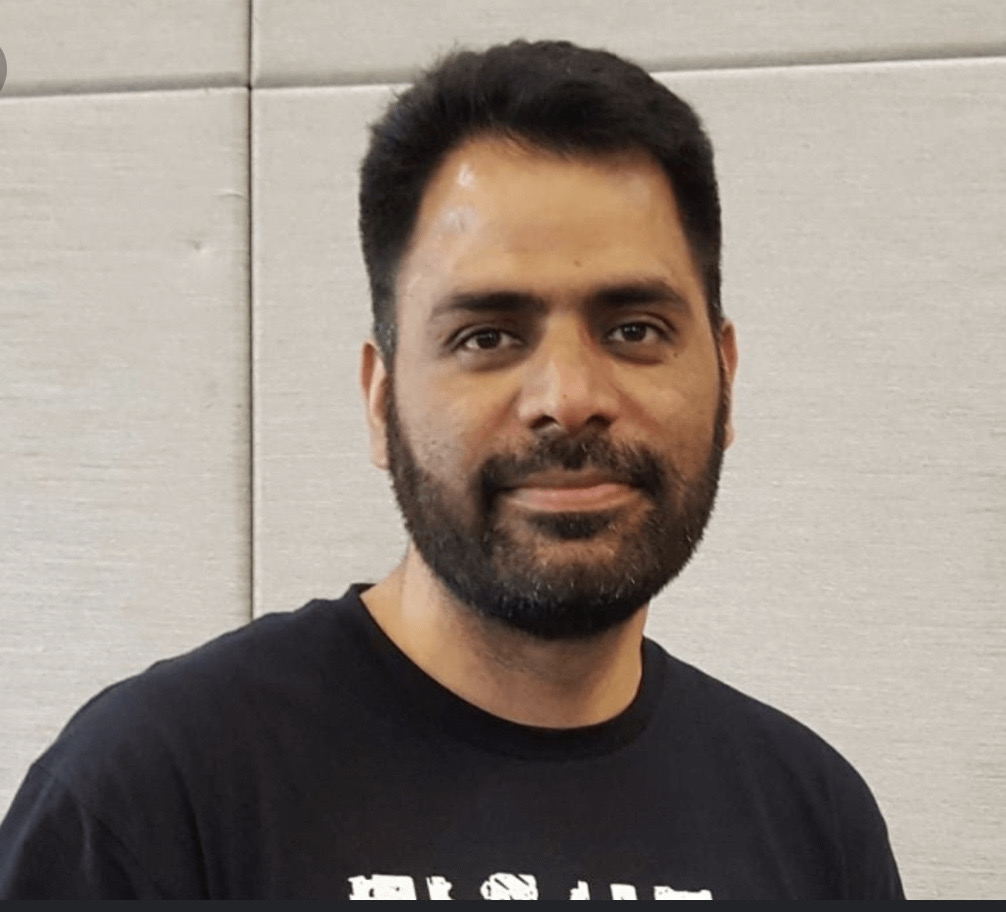
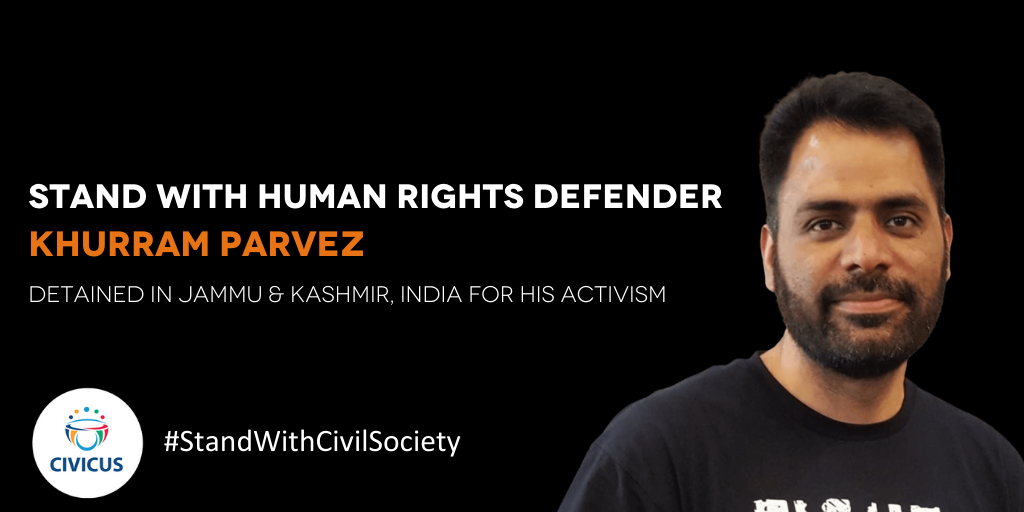
Ahead of his upcoming hearing on 21 January 2022, CIVICUS, a global civil society alliance, calls on the government of India to immediately and unconditionally release human rights defender Khurram Parvez. The judicial harassment he is facing highlights the repressive environment for activists and critics in Indian administered Jammu and Kashmir.
-
Indonesia: Government should immediately withdraw arbitrary charges against Fatia Maulidiyanti & Haris Azhar

The Indonesian government should put an end to the judicial harassment against human rights defenders Fatia Maulidiyanti and Haris Azhar, and uphold the right to freedom of expression, a group of human rights organisations said.
‘The Government of Indonesia must uphold its international human rights obligations under the International Covenant on Civil and Political Rights (ICCPR) as well as its own national constitution which protects the right to freedom of expression,’ said the groups.
The groups urged the Indonesian government to ensure that all persons can express their opinions without fear of reprisals and to ensure its actions are compliant with Indonesia’s Constitutional protections for human rights and the ICCPR, of which Indonesia is a State Party. The National Human Rights Institution, Komnas HAM, must also work towards ensuring the protection of defenders facing judicial harassment, the groups said.
On 22 September, Luhut Binsar Pandjaitan, the Indonesian Coordinating Minister for Maritime Affairs and Investment filed a police report against human rights defenders Fatia Maulidiyanti, Coordinator of the Commission for the Disappeared and Victims of Violence (Kontras), and Haris Azhar, Founder of Lokataru Foundation. The police report alleges that the two individuals violated criminal defamation provisions (Article 310 (1) of the Penal Code), and the controversial Electronic Information and Transaction law (EIT Law). Luhut Binsar Pandjaitan has reportedly demanded IDR 300 billion, approximately USD 21 million, in compensation.
The report was filed after subpoenas were earlier sent to the two human rights defenders, following a talk show on Haris Azhar’s YouTube channel, titled ‘Ada Lord Luhut di balik Relasi Ekonomi-Ops Militer Intan Jaya!! Jenderal BIN Juga Ada!!’, (There is Lord Luhut behind the relation of Economy-Military Operation Intan Jaya!! General of State Intelligence Agency is also there!!) in which Haris Azhar and Fatia Maulidiyanti discussed the findings of a multi-stakeholder report revealing the alleged involvement of active and retired Indonesian army officials in the business operations of the gold mining sector.
In the report, Luhut Binsar Pandjaitan was identified as being affiliated with mining company PT Madinah Qurrata'ain, which holds the Derewo River Gold Project permit in Papua Province's Intan Jaya Regency, located along the Derewo fault zone, northwest of Grasberg and Wabu.
Through shareholding, Luhut Binsar Pandjaitan is affiliated with PT Toba Sejahtera, whose subsidiary PT Tobacom Del Mandiri or PT Tambang Raya Sejahtra is said to have acquired a 30 percent stake in PT Madinah Qurrata'ain.
The report also recorded the escalation of violent and armed conflict triggered by military operations, one of which occurred in the Intan Jaya Regency. The conflict resulted in the loss of civilian lives and the displacement of thousands of people, including children and women.
‘The legal actions by the Coordinating Minister constitute judicial harassment and abuse of power. It criminalises the rights of these two human rights defenders to express their opinions on public affairs and creates a chilling environment for individuals who criticise the government,’ the groups said.
‘We call on the Indonesian government to amend all repressive laws and legal provisions that hinder the protection of freedom of expression, and ensure the laws align with international human rights standards. The criminalisation of defamation is an inherently disproportionate and unnecessary restriction to the right to freedom of opinion and expression, under international human rights law. Indonesia must immediately drop the charges against Fatia and Haris and take steps towards preventing the misuse of litigation against human rights defenders and civil society that erode the exercise of their rights,’ they concluded.
Endorsed by the following organisations:
Asian Forum for Human Rights and Development (FORUM-ASIA)
ASEAN Regional Coalition to #StopDigitalDictatorship- Manushya Foundation
- SAFEnet
- Cambodian Center for Human Rights (CCHR)
- Access Now
- ELSAM
- ALTSEAN-Burma
Asia Democracy Network (ADN)
CIVICUS: World Alliance for Citizen Participation
FIDH, within the framework of the Observatory for the Protection of Human Rights Defenders
Front Line Defenders (FLD)
Indonesian Legal Aid Foundation (YLBHI)
Indonesian Legal Aid and Human Rights Association (PBHI)
Human Rights Working Group (HRWG)
OMCT (World Organisation Against Torture), within the framework of the Observatory for the Protection of Human Rights DefendersCivic space in Indonesia is rated 'obstructed' by the CIVICUS Monitor.
CONTACT INFO:
For further information or to request interviews with CIVICUS staff, please contact:
-
Indonesia: Intimidation against human rights activists exemplify narrowing civic and democratic space
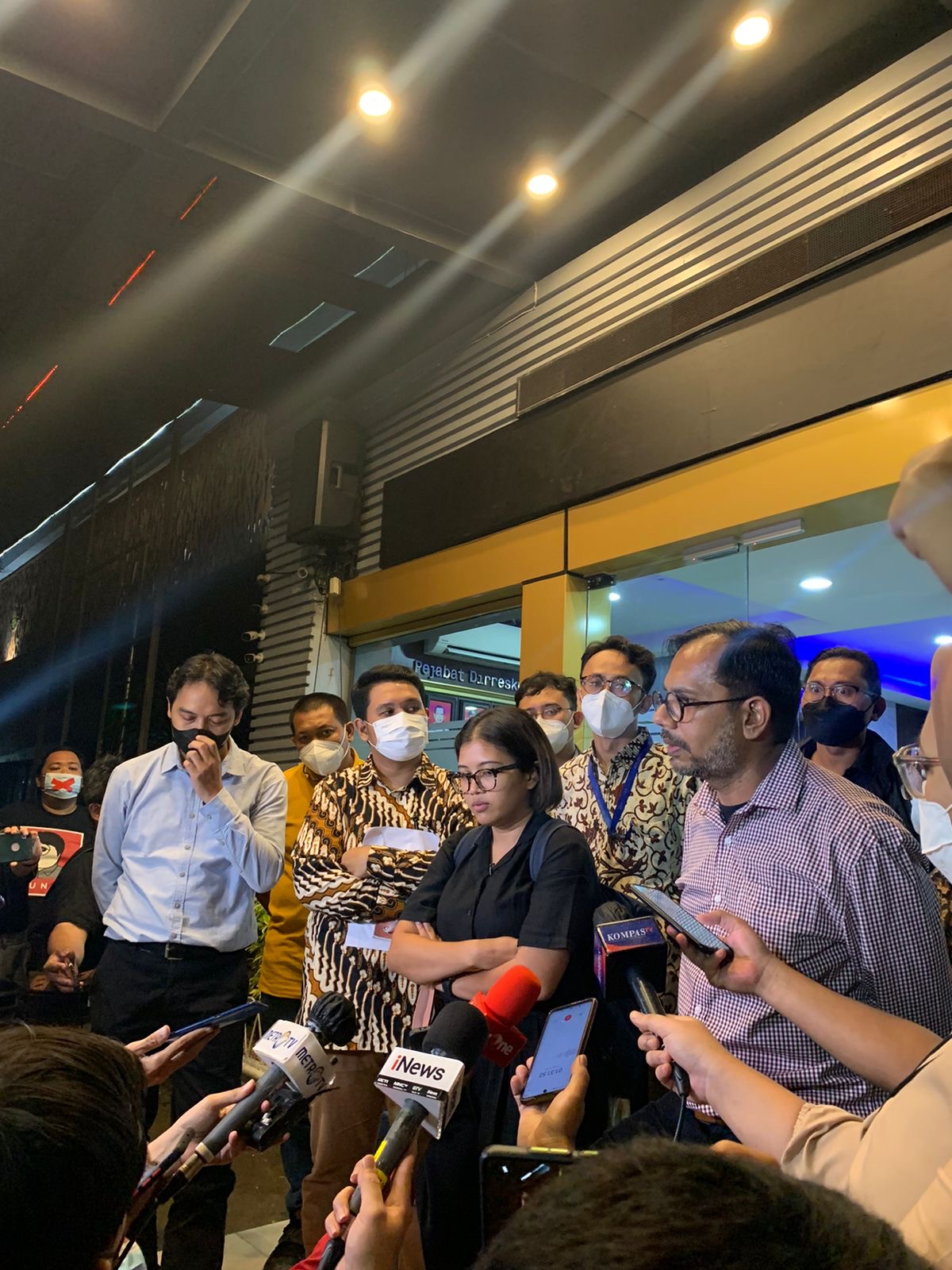
CIVICUS, the global civil society alliance, is highly alarmed by the Indonesian authorities' decision to name human rights defenders Fatia Maulidiyanti and Haris Azhar as suspects in a defamation case for speaking up about human rights violations connected to corporate crime in Papua allegedly linked to government officials.
-
Joint Letter to Secretary-General António Guterres on his visit to Vietnam

Mr. António Guterres
Secretary-General
United Nations
UN Headquarters, S-3800
New York, NY 10017
Re: October visit to Vietnam
Dear Secretary-General,
We are writing ahead of your visit to Vietnam later this week. You have emphasized the importance of combatting climate change, but this cannot be achieved without the role of environmental rights defenders. During your trip, we urge you to publicly call on the Vietnamese government to release the four environmental human rights defenders who were sentenced on trumped-up charges of “tax evasion” earlier this year. These political prisoners are emblematic victims of a new wave of repression in Vietnam which, through a combination of threats and judicial harassment, is threatening progress in combatting climate change, protecting human rights and achieving the Sustainable Development Goals.
The persecution of environmental defenders is only the tip of Vietnam’s broader crackdown on dissent. Organizations that monitor the situation have documented how Vietnam is currently holding hundreds of political prisoners. UN Human Rights Mechanisms have noted that once arrested, most of these people are prosecuted for vaguely worded national security crimes, subjected to prolonged periods of incommunicado detention, and denied access to legal counsel and family visitation, often while being subjected to willful neglect or mistreatment. These are people who have been persecuted for exercising their civil and political rights. These are people who should not be prosecuted, and should not be in prison.
The United Nations should urgently press the Vietnamese government to end its policies and practices that are subverting rather than supporting human rights, and emphasize that there can be no progress on climate change and development without an active civil society that can freely exercise their rights to freedom of expression, association, and assembly. We call on you to remind Vietnam that, as a newly elected member of the UN Human Rights Council, it has an obligation to uphold the highest human rights standards. Specifically, we urge you to:
- Publicly urge Vietnam to protect, promote and fulfill human rights obligations enshrined in the international human rights treaties signed and ratified by the government.
- Publicly urge Vietnam to cease criminalizing policy advocacy and the operation of advocacy coalitions by civil society. Specifically, Vietnam should implement the recommendations provided by the UN Human Rights Council’s independent experts in response to what they describe as Vietnam’s “undue restrictions on civil society…in violation of…international human rights law.”
- Publicly urge Vietnam to immediately and unconditionally release the four environmental defenders Nguy Thi Khanh, Mai Phan Loi, Bach Hung Duong, and Dang Dinh Bach.
- Publicly urge Vietnam to commit to stop arbitrarily arresting and detaining any additional environmental defenders, and all other human rights defenders, including journalists.
- Publicly urge Vietnam to fundamentally amend Decree 58/2022/ND-CP on international civil society groups working in Vietnam to ensure that those regulations fully comply with the International Covenant on Civil and Political Rights, to which Vietnam is a state party.
- Publicly urge Vietnam to clarify if, and in what circumstances, non-governmental development organisations are required to pay corporate tax. Specifically, the Vietnamese government should address ambiguity in and inconsistencies between the 2013 Science and Technology Law and the 2019 Law on Tax Administration in relation to the tax obligations of science and technology organisations.[1] These regulations represent a contradictory policy framework that is open to politically motivated attacks on civil society organisations.
Finally, we believe that the UN system in Vietnam has an important role to play in this process. We urge you to call on the UN Resident Coordinator and UN agencies to publicly and pro-actively demand serious improvements to the government’s atrocious human rights record and to start holding it to account. The best way that the UN can do this is by making itself more accountable to Vietnamese civil society.
Sincerely,
- Access Now
- Amnesty International
- Asia Democracy Network (ADN)
- Asian Forum for Human Rights and Development (FORUM-ASIA)
- ARTICLE 19
- CIVICUS
- Defend the Defenders
- FIDH – International Federation for Human Rights
- Frontline Defenders
- Human Rights Watch
- International Service for Human Rights (ISHR)
- Legal Initiative for Vietnam
- The 88 Project
- Safeguard Defenders
- Quê Me: Vietnam Committee on Human Rights
[1] For example, Article 143.2 (“Tax evasion”) of the 2019 Law on Tax Administration stipulates: “Failure to record the revenues relevant to calculation of tax payable in the accounting books.” Similarly, Article 200.1.b (“Tax evasion”) of the 2015 Criminal Code stipulates: “Failure to record revenues related to the determination of tax payable in accounting books.” However, Article 4.7 of the 2008 Law on Corporate Income Tax, describes “Tax-exempt incomes” as “received financial supports used for educational, scientific research, cultural, artistic, charitable, humanitarian and other social activities in Vietnam.” Similarly, Decree 218 (218/2013/NĐ-CP), providing guidance on implementation of Law on Corporate Income Tax, stipulates that only organisations that improperly use financial aid are subject to corporate income tax.
Civic space in Vietnam is rated as "closed" by the CIVICUS Monitor
-
Joint statement on attacks against civil society
We first took the initiative of a Council resolution on civil society space in 2013. We did so in light of what we saw as two equally true but very different realities:
- first, the transformative role which civil society can and does play, alone or in partnership with other stakeholders; and
- second, that civil society space is all to regularly, and unfortunately increasingly, restricted and threatened.
These two points are closely related – in many cases, it is exactly that positive potential for change, inherent in ordinary people working together in new and innovative ways, which provokes threats and repression. But such negative responses are not only contrary to human rights law, they are, as recently termed in the final recent report of Special Rapporteur Kiai, “self-destructive” and “short-sighted” (A/HRC/35/28) - a vibrant and pluralistic civil society can be of tremendous value in responding to societal challenges and assisting our citizens and societies to thrive.
Bearing in mind this dual reality of opportunity and challenge, as well as the interlinking and mutually reinforcing nature of the core human rights concerned, we sought to explain and give better visibility to the concept of civil society space as a human rights concern.
And so this topic concerns civil society at its broadest – not only civil society actors in the field of human rights, but also those working at all levels and with greater or lesser levels of organisation on challenges including health and humanitarian crises, realising development, protecting the environment, countering corruption and building corporate accountability, empowering persons belonging to minorities or espousing minority or dissenting views, combating racism, supporting crime prevention and even conflict prevention and resolution as experience in our States, including in particular the Tunisian National Dialogue Quartet shows.
As we did in the resolutions adopted to date – 24/21, 27/31 and 32/31 – we condemn and reject all threats, attacks, reprisals and acts of intimidation against civil society actors. We again recall that States must ensure that domestic legal and administrative provisions and their application in practice should facilitate and protect an independent, diverse and pluralistic civil society. And we urge all States to adopt the best practice recommendations set out in resolution 32/31 by, inter alia, taking steps to
- ensure a supportive legal framework and access to justice;
- contribute to a public and political environment conducive to civil society;
- provide for access to information;
- provide for the participation of civil society actors in public debate; and
- provide for a long-term supportive environment for civil society.
As we see daily in this room, the substantive participation of civil society makes this Council’s debates and work, including the UPR, richer and more meaningful. More needs to be done to recognise civil society as having an equal stake in discussion in other multilateral fora too. We deeply regret, for example, that civil society voices have been blocked in the NGO Committee twice this year. We look forward to the OHCHR report scheduled for presentation at HRC38 (June 2018) on procedures, challenges and best practices in respect of civil society involvement with regional and international organisations. We hope that those best practices can feed into a process of reflection, in all fora, on how processes and procedures for participation of civil society may be further improved.
The next resolution on the subject of civil society space will be presented at HRC38 (June 2018). [Bearing in mind pressure on the Council’s agenda, we encourage other States to consider similarly biennialising their initiatives, where possible.]
In addition to continuing to build on best practice examples, in future we intend to explore in greater detail other aspects, including those identified in the resolutions to date, such as:
- civil society and the private sector;
- civil society’s role in advancing the implementation of the 2030 Agenda;
- civil society and children;
- funding to civil society;
We are convinced that work on this topic is more important than ever. We look forward to working with all delegations, both state and civil society, in taking this initiative forward in an open and constructive way.
-
Joint statement: the European Union must address reprisals against human rights defenders in India

The joint European Union (EU)-India press release, which provides a summary of the topics discussed during the 10th EU-India human rights dialogue which took place on 15 July 2022 in New Delhi, fails to adequately address pressing issues of security and reprisals faced by human rights defenders in India, five human rights organisations said today. The organisations expressed their disappointment in the EU’s apparent failure to raise concern about the systematic attacks on civil society actors in India.
While both parties reiterated their commitment to the promotion and protection of human rights in the joint EU-India press release, there was no mention of any concrete action to be taken to ensure the ending of reprisals and persecution against human rights defenders, the release of jailed defenders and to prevent the adoption and abuse of restrictive laws, including anti-terror laws.
The joint EU-India press release from the dialogue makes specific mention to “the importance of safeguarding the freedom, independence and diversity of civil society actors, including human rights defenders and journalists, and respecting freedom of association and peaceful assembly”. While this is an important acknowledgment, it must be backed by corresponding action to end persecution and immediately release jailed human rights defenders.
Indian rights defenders need immediate support and an end to systematic attacks, threats and arbitrary arrests. Of the 16 defenders arrested in relation to the Bhima Koregaon case, 13 remain in jail. On 5 July 2021, 84-year-old Stan Swamy died in custody due to the lack of medical treatment. There has been no public acknowledgment of the State’s complicity in his incarceration and death. Six defenders out of these arrested for participating in the peaceful campaign against the Citizenship Amendment Act remain in jail. In November 2021, Kashmiri human rights defender Khurram Parvez was arrested and remains incarcerated on spurious charges. In June 2022, Teesta Setalvad was jailed as a direct reprisal for her campaign for accountability and justice for victims of the 2002 Gujarat riot. Many other defenders, including indigenous women seeking justice, are jailed and labelled as terrorists due to their human rights work. The joint EU-India press release fails to address any of these cases, or to acknowledge the general worsening of the human rights situation in India.
The targeting of defenders is well-known, and has a direct impact on their safety, their families, and the communities they represent. Vague commitments on human rights and safeguarding freedoms and defenders no longer suffice. The scale of the violence and punishment for peaceful defense of human rights in India requires a proportionate and public response and a demand for accountability for continued violations. In the face of the blatant disregard for national standards and international commitments, particularly important in light of India’s global presence and membership to the United Nations Human Rights Council, the EU must take a public stand on patterns of reprisals and individual cases.
The joint EU-India press release also recognizes “the importance of strengthening national and international human rights mechanisms for the protection and promotion of human rights and the important role of national human rights institutions, civil society actors and journalists”. However, it falls short of addressing laws in India that are routinely used to target human rights defenders and the failure of the National Human Rights Commission of India to proactively intervene in cases where defenders are targeted. The use of the Unlawful Activities Prevention Act (UAPA) and the Foreign Contributions Regulation Act (FCRA) and their impact on the human rights defenders’ ability to work safely requires more direct and public attention. The FCRA has been used to block much needed funds, freeze bank accounts, and subject NGOs to investigations, creating a chilling effect for civil society.
We acknowledge the EU-India human rights dialogue as an opportunity for both parties to speak on important issues of human rights. However, recognition of the work of human rights defenders and of marginalized communities in the country will be visible based on tangible outcomes, including public statements that reflect clear human rights benchmarks. Failure to do so is a missed opportunity and may serve to further embolden India to violate human rights with impunity.
We call on the EU and member states to ensure that there is strong follow up to the dialogue and a commitment to hold India accountable for its treatment of human rights defenders in the country. The targeting of defenders through the use of national institutions, including arbitrary arrests and judicial harassment, must be strongly condemned and individual cases should be publicly raised. The EU must also support human rights defenders by observing trials and undertaking visits to defenders in prisons. Effective protection for human rights defenders requires adhering to concrete human rights standards and taking action beyond the annual human rights dialogue between parties.
Signed
- Asian Forum for Human Rights and Development (FORUM-ASIA)
- CIVICUS: World Alliance for Citizen Participation
- Front Line Defenders
- World Organisation Against Torture (OMCT), within the framework of the Observatory for the Protection of Human Rights Defenders
- International Federation for Human Rights (FIDH), in the framework of the Observatory for the Protection of Human Rights Defenders
Civic space in India is rated as repressed by the CIVICUS Monitor.
-
JORDAN: ‘Commercial spyware that enables digital repression and abuse must be completely banned’

CIVICUS speaks with Access Now about their forensic investigation that exposed the use of Pegasus spyware to target activists and journalists in Jordan. Access Now is an international civil society organisation that works to defend and extend the digital rights of people and communities at risk.

What restrictions do Jordanian journalists and activists face?
Over the past four years, the Jordanian government has dialled up its crackdown on the rights to freedom of association, expression and peaceful assembly. Journalists, human rights defenders, labour unions and activists are routinely harassed, detained and prosecuted under vague and draconian laws. In late 2022 and throughout 2023, several lawyers, journalists and activists were arrested in connection with protests or for their social media posts.
Repression has deepened as a result of the new cybercrime law adopted in August 2023. This law threatens online freedom of expression on the basis of ambiguous and overly broad provisions about ‘spreading fake news’, ‘promoting, instigating, aiding or inciting immorality’, ‘online assassination of personality’, ‘provoking strife’ and ‘undermining national unity’. The law is now being weaponised to quash pro-Palestinian protests and activism in Jordan. Since 7 October 2023, hundreds of protesters expressing solidarity with Palestinians in Gaza have been detained and many others prosecuted under this draconian law.
Our recent forensic investigation into the use of NSO Group’s Pegasus spyware in Jordan has revealed an additional layer of repression, with at least 35 people being targeted for no reason other than their peaceful political dissent and human rights advocacy.
How’s spyware used, and who’s using it?
In January 2022, Access Now and Front Line Defenders revealed that Pegasus spyware had been used to hack prominent Jordanian human rights lawyer Hala Ahed. Hala was hacked in March 2021, and it was an isolating and traumatic experience for her. Access Now then joined Citizen Lab to further investigate the use of Pegasus spyware in Jordan.
Our joint forensic investigation uncovered a terrifyingly widespread use of Pegasus to target Jordanian media and civil society. We found traces of Pegasus spyware on the mobile devices of 30 activists, journalists, lawyers and civil society members. Further forensic analysis by our partners Human Rights Watch, Amnesty International’s Security Lab and the Organized Crime and Corruption Reporting Project identified five more Pegasus victims, bringing the total to 35.
This is the largest pool of Pegasus victims uncovered in Jordan so far, but we believe actual numbers are much higher. We don’t know exactly who is behind these attacks because spyware manufacturers such as NSO Group make the identification of perpetrators of cyberattacks very hard.
The NSO Group blatantly claims its surveillance technologies are crucial for governments to fight crime and terrorism. Conveniently, this is the same pretext used by dictators and repressive regimes to criminalise the work of journalists and activists and prosecute them under draconian counterterrorism and cybercrime laws. It’s a match made in hell, as a result of which activists and journalists are hacked, prosecuted, jailed, tortured and killed merely for exercising their rights or doing their job.
What can activists and journalists do to protect themselves?
Unfortunately, given their stealthy nature, there’s no bulletproof protection against spyware attacks. Zero click spyware doesn’t require any interaction between the software and the user of the hacked device. It basically exploits a vulnerability in the device’s software to infect it without the user’s knowledge.
Still, there are some basic protection measures everyone should implement. For example, every time a vulnerability is discovered, Apple patches it, which means it’s important for users to ensure their device’s operating system is always up to date, otherwise the patch won’t apply. Activists can also enable the Lockdown Mode feature on their Apple devices, which seems to be helping protect at-risk users.
How does Access Now hold governments and companies accountable?
For years, Access Now and broader civil society have been campaigning for a global moratorium on the export, sale, transfer, servicing and use of targeted digital surveillance technologies until rigorous human rights safeguards are put in place. Commercial spyware that enables digital repression and abuse worldwide, such as Pegasus, must be completely banned. We are not there yet, but this is our baseline to rein in the surveillance tech industry.
There have been some positive steps toward holding spyware companies accountable. For instance, a number of Israeli spyware outfits including NSO Group, Candiru and four Intellexa entities were added to a list of the US Department of Commerce that includes entities engaging in activities contrary to the USA’s national security or foreign policy interests. The latest addition to the list was the Canada-based firm Sandvine, blacklisted for enabling digital repression in Egypt. In February 2024, the US State Department also announced a new visa sanctions policy that will deny visas to anyone involved in, facilitating or deriving financial benefit from the misuse of commercial spyware around the world.
Civil society plays a vital role in exposing how these shady companies profit from facilitating human rights abuses around the world and demanding accountability for violations and reparation to spyware victims. Its continued work is key to holding governments and spyware companies accountable.
Civic space in Jordan is rated ‘repressed’ by theCIVICUS Monitor.
Get in touch with Access Now through itswebsite orFacebook andInstagram pages, and follow@accessnow on Twitter.
-
Judicial harassment of human rights defender Muhammad Ismail

CIVICUS: World Alliance for Citizen Participation, Front Line Defenders, FIDH, in the framework of the Observatory for the Protection of Human Rights Defenders, the World Organisation Against Torture(OMCT), and the International Service for Human Rights strongly condemn the deliberate targeting of human rights defender Muhammed Ismail and his wife Uzlifat Ismail, the parents of woman human rights defender Gulalai Ismail. The authorities must halt the ongoing judicial harassment against Gulalai Ismail and her family, which is a direct reprisal due to her human rights work. Gulalai has multiple criminal complaints filed against her, including under regressive anti-terror laws. Since she was forced to leave Pakistan due to concerns for her safety, her parents have been targeted under the Penal Code, anti-terrorism laws and cyber security legislation. In the most recent incident, Pakistan authorities approached the Anti Terrorism Court in Peshawar, and filed a new case with charges that include sedition and terrorism. On 30 September 2020, the court charged the three defenders.
-
Judicial harassment of human rights defender Muhammed Ismail persists amid pandemic
The Pakistan authorities must halt their judicial harassment of human rights defender Muhammed Ismail and his wife Uzlifat Ismail and drop all charges against them, said CIVICUS, FIDH, the World Organisation Against Torture (OMCT) and Front Line Defenders. The human rights defender faces charges under the Anti-Terrorism Act and the Pakistan Electronic Crimes Act and is currently on conditional bail, which Pakistan’s Federal Investigative Agency has sought to revoke. His next hearing to determine bail is scheduled for 18 May 2020 before the Peshawar High Court.
-
Killing of another human rights activist highlights climate of impunity in the Philippines

🇵🇭#Philippines: The cold-blooded murder of Zara Alvarez is a travesty and yet another addition to the growing list of activists who have been attacked and killed in the country with impunity.
— CIVICUS (@CIVICUSalliance) August 19, 2020
Statement: https://t.co/xrE3QXDRcR pic.twitter.com/TmLkWIqGAvCIVICUS, the global civil society alliance, denounces the tragic killing of human rights activist Zara Alvarez. Her murder highlights a wider pattern of attacks against human rights defenders, journalists and critics that has increased under the Duterte administration, and the need for an international investigation into the crimes.
-
La Guinée placée sur la liste de surveillance des droits humains en amont du référendum

- La Guinée placée sur la liste de surveillance de CIVICUS Monitor à l'approche du référendum
- L'escalade des violations des droits comprend l'usage d'une force excessive sur les manifestants
- CIVICUS demande la libération des défenseurs des droits humains et exhorte le Président Condé à se retirer
La Guinée a été placée sur la liste de surveillance des droits de l'homme de CIVICUS Monitor en vue du référendum proposé le 22 mars. Cette liste attire l'attention sur les pays où il y a eu un déclin rapide des libertés civiques et démocratiques au cours des derniers mois.
La Guinée a été placée sur la liste de surveillance du Monitor en octobreaprès des répressions meurtrières et des arrestations arbitraires de manifestants. Elle reste sur la liste de surveillance car le CIVICUS Monitor craint que si le gouvernement poursuit le référendum controversé plus tard cette semaine, de nouvelles violences et de nouveaux troubles s'ensuivent.La Guinée est classée comme "obstruée" par le CIVICUS Monitor, ce qui représente la troisième plus mauvaise note qu'un pays puisse recevoir selon l'indice mondial, dans la même catégorie que le Mali, la Sierra Leone et le Liberia. Dans les pays obstrués, l'espace civique est souvent monopolisé par ceux qui détiennent le pouvoir et une force excessive est couramment utilisée par les forces de l'ordre.
Depuis octobre 2019, plus de 30 personnes ont été tuées et des dizaines d'autres blessées lors des vastes manifestations qui ont embrasé la Guinée, alors que les manifestants appellent le gouvernement à respecter les dispositions de la constitution actuelle. La constitution actuelle limite le mandat présidentiel à deux mandats de cinq ans et ne peut être modifiée que par le biais d'un référendum. Si elle est modifiée, elle pourrait ouvrir la voie au maintien au pouvoir du président Alpha Condé.
Le Front national de la défense de la Constitution(FNDC), un mouvement composé de la société civile et de l'opposition politique, a lancé des appels contre une éventuelle candidature au troisième mandat du président Condé.
Les dirigeants du FNDC, les défenseurs des droits de l'homme Ibrahima Diallo et Sekou Koundouno, ont été arrêtés par des hommes masqués de la BRI (Brigade d'investigation et d'intervention) le 6 mars et emmenés vers une destination inconnue. Ils ont été arrêtés immédiatement après avoir exprimé leurs préoccupations concernant les arrestations arbitraires de militants en cours lors d'une conférence de presse. Le 12 mars, ils ont été libérés sous caution et placés sous contrôle judiciaire.
En octobre 2019, treize dirigeants des FNDC ont été arrêtés avant les manifestations prévues à Conakry et accusés d'avoir organisé des manifestations interdites et d'avoir incité à la désobéissance civile. Cinq d'entre eux ont été condamnés à des peines de prison allant de six mois à un an. Des journalistes ont également été agressés physiquement pour avoir couvert les manifestations et leur matériel a été saisi pour les empêcher de diffuser des images des manifestations.
L'arrestation et la détention de défenseurs des droits de l'homme mettent en évidence la manière dont les autorités guinéennes tentent de faire taire les voix pro-démocratiques et ouvrent la voie à la prolongation du mandat du président Condé :
"En arrêtant les défenseurs des droits de l'homme, les autorités guinéennes visent à faire taire les voix de ceux qui sont contre une nouvelle constitution. Il est temps que le président Condé et son administration respectent la volonté du peuple guinéen et permettent une transition politique qui ouvrira une nouvelle ère dans la démocratie naissante de la Guinée", a déclaré David Kode, responsable du plaidoyer et des campagnes à CIVICUS.
CIVICUS appelle le gouvernement guinéen à libérer immédiatement les défenseurs des droits humains incarcérés.
CIVICUS demande à l'Union africaine de veiller à ce que le gouvernement de Guinée respecte les dispositions de la Charte africaine de la démocratie, des élections et de la gouvernance : elle exhorte le président Condé à respecter la constitution actuelle et à se retirer à la fin de son mandat pour permettre une transition politique pacifique.
FIN
Contact:
Nina Teggarty, Responsable de la communication, des campagnes et du plaidoyer chez CIVICUS
Téléphone: +27 (0)785013500
CIVICUS media team:
-
Laos: Nine years on, civil society worldwide still demands answers on Sombath's enforced disappearance

On the ninth anniversary of the enforced disappearance of Lao civil society leader Sombath Somphone, we, the undersigned organisations, reiterate our calls on the Lao government to determine his fate and whereabouts and deliver justice to him and his family.
-
Lebanon's Adoption of Universal Periodic Review on Human Rights

Statement at 47th Session of the UN Human Rights Council
Adoption of the Universaly Periodic Review report of the Lebanese Republic
CIVICUS welcomes Lebanon’s participation in the UPR process and for accepting 20 recommendations relating to civic space during this UPR cycle. However, in our joint UPR submission with partners we documented that since its last review, the Lebanese Republic has not implemented or taken any concrete steps to implement 5 of the 6 recommendations relating to civic space made in 2015.
The Lebanese authorities continue to use excessive force against peaceful protesters when ever they demonstrate and attack journalists and representatives of the media who cover the protests. For example, security forces used excessive force and violence against protesters in August 2020 when the demonstrators called for an end to corruption and for accountability and independent investigations into the 4 August 2020 blast in Beirut. We urge Lebanon to implement as a priority recommendations relating to excessive use of force and freedom of peaceful assembly.
Members of the LGBTI community are regularly subjected to harassment and persecution through vague and discriminatory laws. Events are shut down and activists are summoned for interrogation.
Freedom of expression and media freedoms continue to deteriorate in Lebanon. During the October 2019 protests, more than a hundred journalists and media workers were attacked as they covered the demonstrations and many of these attacks were perpetuated by government agents. Many of these attacks were captured on video yet those responsible have not been held accountable. This failure or unwillingness of the government to hold those responsible to account emboldens the perpetrators with a high sense of impunity.
We are also concerned about the killing of Lebanese human rights defender Lokman Slim who was found in his car by the Lebanese police after he was shot dead in February 2021 in the South of Lebanon. He advocated for the rights of Syrian refugees in Lebanon and documented war crimes in Lebanon and Syria.
CIVICUS and partners calls on the Government of Lebanon to take proactive measures to address these concerns and implement recommendations to create and maintain, in law and in practice, an enabling environment for civil society.
Civic space in Lebanon is rated as ‘obstructed’ by theCIVICUS Monitor.
-
Letter to Dr. Angela Merkel ahead of visit to Cairo
24 February 2017
Dr Angela Merkel
Chancellor of the Federal Republic of Germany
Willy-Brandt-Straße 1
10557 Berlin
Subject: Your visit to Cairo, 2-3 March 2017, amidst clampdown on human rights in Egypt
Dear Chancellor Merkel,
- Malawi: Leading civil society organisations call for immediate release of human rights defenders

CIVICUS, the global alliance of civil society organisations, together with the Malawian Human Rights Defenders Network (HRDN) and the Centre for Human rights and Rehabilitation (CHRR), call for the immediate release of human rights defenders in Malawi ahead of their bail hearing today.
Gift Trapence, a human rights defender and Deputy Chair of the Human Rights Defenders Network (HRDN), and MacDonald Sembereka were arrested on 8 March in Lilongwe and detained at Area 3 Police Station before they were taken to Blantyre.
Another human rights defender, Timothy Mtambo, head of the Centre for Human Rights and Rehabilitation (CHHR) and Chair of HRDN, handed himself into police on 10 March.
They have not been charged and the Malawi Police Service accuse all three of violating Section 124 of the Penal Code by planning to hold protests outside State House on 25 March.
The arrests were made after the HRDC announced that it was planning to hold peaceful protests and “shut down” State House on 25 March 2020 to force President Peter Mutharika to sign electoral reform bills which were passed by Parliament in February 2020. In response to calls for protests on 25 March, President Mutharika threatened human rights defenders during a rally of his Democratic Progressive Party (DPP) party and called on the security forces to use all means necessary against the protesters.
Since Presidential elections were held in May 2019, the Malawian authorities have used violence, intimidation, arbitrary arrests, threats and harassment to curb civil society organisations -particularly those calling for reforms of the electoral commission and those who are critical of the actions of President Mutharika and his DPP party. In July 2019 Gift Trapence and MacDonald Sembereka were arrested and detained on accusations of operating an illegal NGO, despite the fact that their NGO is registered under Malawi’s Companies Act.
The arrests of these three human rights defenders is part of ongoing efforts by the Malawian authorities to silence human rights defenders and erode civil freedoms:
“The recent arbitrary arrests of human rights defenders follow vile threats made by senior members of the DPP party. Since the May 2019 elections civil society groups and human rights defenders have been calling for a more transparent and accountable government. The authorities have often responded by using violence to target peaceful assemblies and arresting human rights defenders,” said CHRR’s Michael Simon Kaiyatsa.
Over the last ten months civil society groups and members of the political opposition have been holding peaceful protests calling for democratic reforms. The authorities have responded with violence and death threats against human rights defenders. In August 2019, the home and car of human rights defender Timothy Mtambo were set alight and he was threatened with death by a member of the DPP. Another human rights defender and coordinator of the HRDN, Moir WalitaMkandawire, was physically assaulted and hospitalized for injuries sustained in his eyes.
CIVICUS, CHRR and HRDN call for the immediate release ofGift Trapence, MacDonald Sembereka and Timothy Mtambo. We also ask the authorities to stop intimidating representatives of civil society and respect the rights of all Malawians to protest peacefully and raise concerns over issues affecting them.
Malawi is rated as Obstructed by the CIVICUS Monitor, an online tool that tracks the state of civic space around the world.
ENDS
Contact:
Nina Teggarty, CIVICUS Communications Officer, Campaigns & Advocacy
Phone: +27 (0)785013500
Michael Kaiyatsa, CHRR Programmes Manager
Phone: +265(0)998895699
- Malaysia: Two years on, still no protection & accountability for Rohingya HRD Zafar Ahmad from harassment and threats
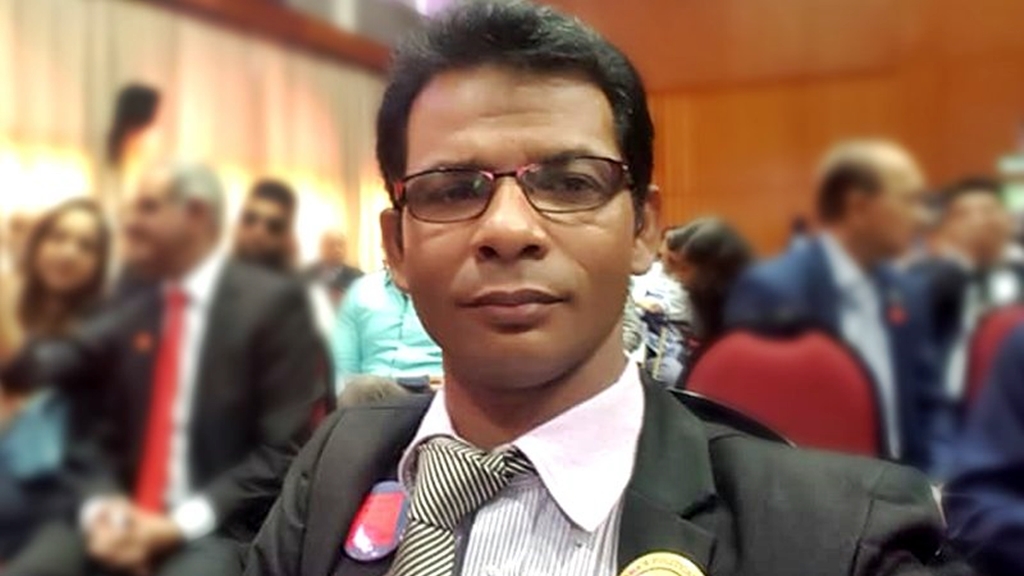
We, the undersigned organisations, are deeply concerned about the situation of stateless Rohingya refugee and human rights defender Zafar Ahmad Abdul Ghani, President of Myanmar Ethnic Rohingya Human Rights Organization (MERHROM), who has been vilified and has received death threats since April 2020 after he was falsely accused of demanding Malaysian citizenship and equal rights for the Rohingya in Malaysia during the COVID-19 pandemic.
- Mandela Day: Global activist persecutions show shocking growth


- As we mark Nelson Mandela Day and #StandAsMyWitness campaign anniversary, number of countries to legally harass and put activists behind bars nearly doubled in five years.
- José Rubén Zamora is the latest defender featured in the international #StandAsMyWitness campaign calling for the release of 14 leading human rights defenders.
- Earlier this week, two featured Eswatini activists, Bacede Mabuza and Mthandeni Dube, were brutally sentenced to long prison terms for pushing democratic reforms.
As we mark Nelson Mandela Day on 18 July and #StandAsMyWitnesscampaign anniversary, the number of countries abusing laws to harass and put activists behind bars has nearly doubled in five years. At least 66 countries prosecuted activists last year, up from 36 in 2019, according to the CIVICUS Monitor. In 2023, at least 63 countries detained human rights defenders (HRDs), up from 38 five years ago.
The jarring growth of repression comes as a stark contrast to the vision of President Mandela. #StandAsMyWitness, launched on Nelson Mandela Day four years ago, calls for the release of leading global human rights defenders who languish behind bars for speaking truth to power.
Guatemalan journalist José Rubén Zamora is now added as the 14th activist in the campaign. “As we add José Rubén Zamora to the #StandAsMyWitness campaign, we grow ever concerned that the world is becoming a more dangerous place for human rights defenders. He is a courageous journalist who has dedicated his life to exposing corruption and defending human rights in Guatemala,” said Isabel Rosales, Latin America advocacy officer at CIVICUS. Zamora has been languishing behind bars for two years and the newspaper he founded, el Periódico, was shut down.
Earlier this week, two #StandAsMyWitness Eswatini activists Bacede Mabuza and Mthandeni Dube were respectively sentenced to 25 and 18 years in jail. The two pro-democracy parliamentarians were convicted for demanding democratic reforms. Eswatini is an absolute monarchy where political parties are banned from elections and activists face jail, torture, and death for demanding their rights.
The 14 human rights defenders featured in the campaign represent a wave of persecution sweeping against civic freedoms and human rights around the world. Abuse of law for the prosecution of activists is ranked among the top ten rights violations according to CIVICUS Monitor.
Their stories are no different from many other activists who were silenced for standing up for human rights and justice. Among others still languishing behind bars are #StandAsMyWitness icons:
- Nobel Peace Prize laureate Narges Mohammadi, who has received a total of 31 years of prison sentence for standing up for women’s empowerment and promoting the abolition of the death penalty in Iran.
- Hong Kong Pro-democracy activist Chow Hang-Tung, who was arrested and detained on June 4, 2021, for publishing two social media posts calling on the public to join the peaceful vigil for the 1989 Tiananmen massacre of civilians and protesters in Beijing.
- Khurram Parvez, voted one of the 100 most influential people by Time magazine in 2022, has dedicated his life to nonviolence in one of the most militarized regions in the world. He remains in jail under charges of terrorism and conspiracy in India.
This clampdown on defenders paints a bleak picture, with only two percent of the global population living in countries with open civic spaces. A staggering 72% of people in the world lived in authoritarian regimes in 2023. CIVICUS finds a discernible rise in the closure of civic spaces around the world, with the highest number of people living in closed countries since 2019.
As the world honors President Mandela who spent 27 years in jail, thousands of human rights defenders are in prison convicted in unfair trials and on trumped-up charges.
#StandAsMyWitness urges people to call for an end to the imprisonment and harassment of human rights defenders worldwide. To date, it has helped the release of 30 defenders. It invites people around the world to share the activists' stories and demand their release.
// ends
Notes to the Editor:
About CIVICUS
CIVICUS is a global alliance of civil society organisations dedicated to strengthening citizen action and civil society around the world. CIVICUS has 17,000 members worldwide. For more information on the defenders featured in the campaign, please visit https://web.civicus.org/StandAsMyWitness.
Interviews
For interviews with CIVICUS, please contact:
Full list of HRDs featured in the #StandAsMyWitness campaign:
AFRICA:
- Eswatini: Bacede Mabuza and Mthandeni Dube - MPs who campaigned for democratic reform
- Burundi: Floriane Irangabiye – a journalist serving a 10-year prison sentence for her work
ASIA:
- Hong Kong: Chow Hang-Tung - pro-democracy activist, sentenced for organising unauthorised Tiananmen Square Massacre commemoration vigil
- India: Khurram Parvez - Kashmiri rights activist; listed in Time magazine’s 100 ‘Most Influential People 2022
CENTRAL ASIA:
- Belarus: Viasna Human Rights Defenders - members of Viasna human rights centre; jailed for exercising their right to peaceful assembly and freedom of expression
- Tajikistan: Buzurgmehr Yorov - human rights lawyer representing members of the opposition; recipient of Homo Homini human rights prize
- Tajikistan: Manuchehr Kholiqnazarov - human rights lawyer serving a 16-year-long prison sentence in retaliation for his human rights work.
LATIN AMERICA:
- Mexico: Kenia Hernandez - Indigenous and women’s rights activist; arrested after protest
- Guatemala - José Rubén Zamora a journalist and founder of the newspaper elPeriodico. He has been detained since 29 July 2022.
MIDDLE EAST & NORTH AFRICA:
- Algeria: Kamira Nait Sid - Indigenous and women’s rights activist campaigning for the rights of the Amazigh people in Algeria
- Bahrain: Abdul-Hadi al-Khawaja - detained after democracy protests in 2011; recipient of the prestigious Martin Ennals Award 2022 for human rights defenders
- Egypt: Hoda Abdel Moneim - human rights lawyer and former member of Egypt’s National Council for Human Rights
- Iran: Narges Mohammadi - Journalist and human rights activist who received the Nobel Prize for Peace in 2023
- United Arab Emirates: Ahmed Mansoor - on the advisory boards for Human Rights Watch and the Gulf Centre for Human Rights; imprisoned for publishing information on social media
To find out how to get involved, check out CIVICUS’s campaign webpage: Stand As My Witness.
We partner with various regional and global organisations, such as Global Citizen, to call for the release of human rights defenders.
People are encouraged to share the defenders’ individual stories on social media using the hashtag #StandAsMyWitness.
- Mandela Day: Nearly 200 rights organisations call for release of activists as part of #StandAsMyWitness campaign

- 197 human rights organisations sign letter calling on states to end the imprisonment and harassment of human rights defenders
- States urged to stop new arrests and detentions of defenders, noting heightened risk during COVID-19
- #StandAsMyWitness campaign launches on Nelson Mandela Day 18 July, featuring human rights defenders from around the world
- MEXICO: ‘Human rights defenders constantly put their freedom and their lives at risk’
 CIVICUS speaks with Antonio Lara Duque, a human rights lawyer with the Zeferino Ladrillero Human Rights Centre (CDHZL), about the situation of Indigenous rights defenders in Mexico, and specifically about the situation of Kenia Hernández, a criminalised and unjustly imprisoned woman Indigenous leader.
CDHZL is a civil society organisation in the state of Mexico that accompanies the struggles of Indigenous communities, native peoples and collectives who are seeking a dignified life by claiming and exercising their human rights.
Who is Kenia Hernández, and why is she detained?
Kenia is an Indigenous Amuzga young woman. She is 32 years old. She is the coordinator of the Zapata Vive Libertarian Collective, which promotes peaceful resistance against the neoliberal development model. She is a lawyer by training, a self-identified feminist and is dedicated to defending human rights, and specifically to defending people imprisoned for political reasons, looking for missing people with the goal of finding them alive and giving legal support to female victims of violence.
Kenia was arrested on 18 October 2020 under accusations of attacks on a public thoroughfare and robbery with violence. She was charged with serious crimes to ensure she could be kept in the most terrible maximum-security prison for women in all of Mexico.
On 15 March 2022 the trial court in Ecatepec, in the state of Mexico, will determine whether she is guilty or innocent in one of the five criminal cases against her. All these cases were fabricated with the sole purpose of isolating her and preventing her from continuing mobilising, as well as to send a signal of exemplary punishment to all those people she managed to bring together into a nationwide movement that questioned the private management of highways.
Is Kenia’s case part of a broader trend of criminalisation of Indigenous defenders in Mexico?
Indeed, Kenia’s case reveals that the Mexican state has a clear policy of a ‘pedagogy of punishment’, for two reasons.
First, it sends a signal to the people who protest, and particularly to those who protest against the privatisation of highways, that they should no longer resort to public demonstrations as a form of social mobilisation, because if they do, they will bring upon themselves an unjust and cruel imprisonment such as the one experienced by Kenia.
Second, Mexican state officials are trying to subdue and bend the will of Kenia, to punish her for protesting, but also to weaken her convictions, to subdue the energy and strength she puts into protest, to let her know who is in charge and who must obey. As she has not submitted to them, they continue to keep her in prison. They know that if she is released she will go back to her activism.
Both situations are seriously worrying, because they seek to reverse decades of social struggles and opening of democratic spaces.
What is civil society, and specifically CDHZL, doing to secure her release?
CDHZL is dedicated to disseminating, promoting and defending the human rights of peoples, organisations and human rights defenders. We defend the environment, land and territory, the human right to water and Indigenous culture. And we focus particularly on the protection of human rights defenders, since in Mexico these are people who constantly put their freedom and their lives at risk.
Part of our work consists in providing legal defence to human rights defenders who are unjustly criminalised and imprisoned for the peaceful defence of their rights. In its 10 years of existence, CDHZL has helped around 250 people regain their freedom.
We hope that soon Kenia will be another of them. Mexican civil society has given a lot of visibility to her case, putting her criminalisation on the public agenda and involving key people, in particular Mexican senators, to convince relevant decision-makers to stop criminalising Kenia. We have also tried to bring her case to the international arena, pointing out the punitive policy of the Mexican federal government.
Through its large team of lawyers, CDHZL has sustained a legal defence in the five legal processes against Kenia, with all that they entail: dozens of hearings, challenges and trials of guarantees, some of which we won. But clearly this is much more than a legal struggle, as high-ranking officials are determined to keep Kenia in prison at all costs.
Has there been any improvement in the situation of Indigenous defenders under the current leftist government?
We expected improvements in the situation of Indigenous peoples and human rights defenders and collective rights more generally, but unfortunately there continues to be a generalised disdain among the federal government, regardless of its leftist leanings.
The government has been unable or unwilling to tune in to the most heartfelt demands of Indigenous peoples. Aggressions against human rights defenders have continued, including disappearances, murders and imprisonments. When it comes to imprisonment, Kenia’s case is one of the most shocking examples of the misuse of the criminal justice system against a human rights defender under a government that claims to be the architect of a ‘fourth transformation’ – a process of profound change supposedly comparable to those of independence (1810-1821), reform (1858-1861) and revolution (1910-1917).
What kind of regional and international support does Mexican civil society need in its struggle for human rights and civic space?
Undoubtedly, international observation, very poorly accepted by the current government, would help recover democratic spaces for social protest and the free expression of ideas.
Appeals to the Mexican government can help sensitise the authorities to the importance of respecting human rights and those who defend them beyond political party affiliations.
International mediation and good offices will undoubtedly be a key tool to strengthen civil society in the defence of human rights, particularly in processes where the life and freedom of human rights defenders and Indigenous peoples’ rights are at stake.
Civic space in Mexico is rated ‘repressed’ by the CIVICUS Monitor.
Get in touch with CDHZL through itswebsite or itsFacebook andInstagram pages, and follow @cdhzloficial on Twitter.
- Malawi: Leading civil society organisations call for immediate release of human rights defenders