


By Tanya Lupuwana, Communications Officer - Narratives and Networks
Across Africa, women keep democracy alive. They organize communities, defend protest rights, and push states to act even as our freedoms come under attack.
From rights on paper to lived power
Women have never been better prepared to lead, yet never more systemically filtered out. In 2024, women held 26% of seats in African parliaments, only a one-point rise since 2021. At this rate, we won’t see 50/50 representation until the next century, unless we change how policy, funding, and safeguards work to promote women’s rights.
These barriers are structural: political gatekeeping, financial bottlenecks, and targeted harassment in society.
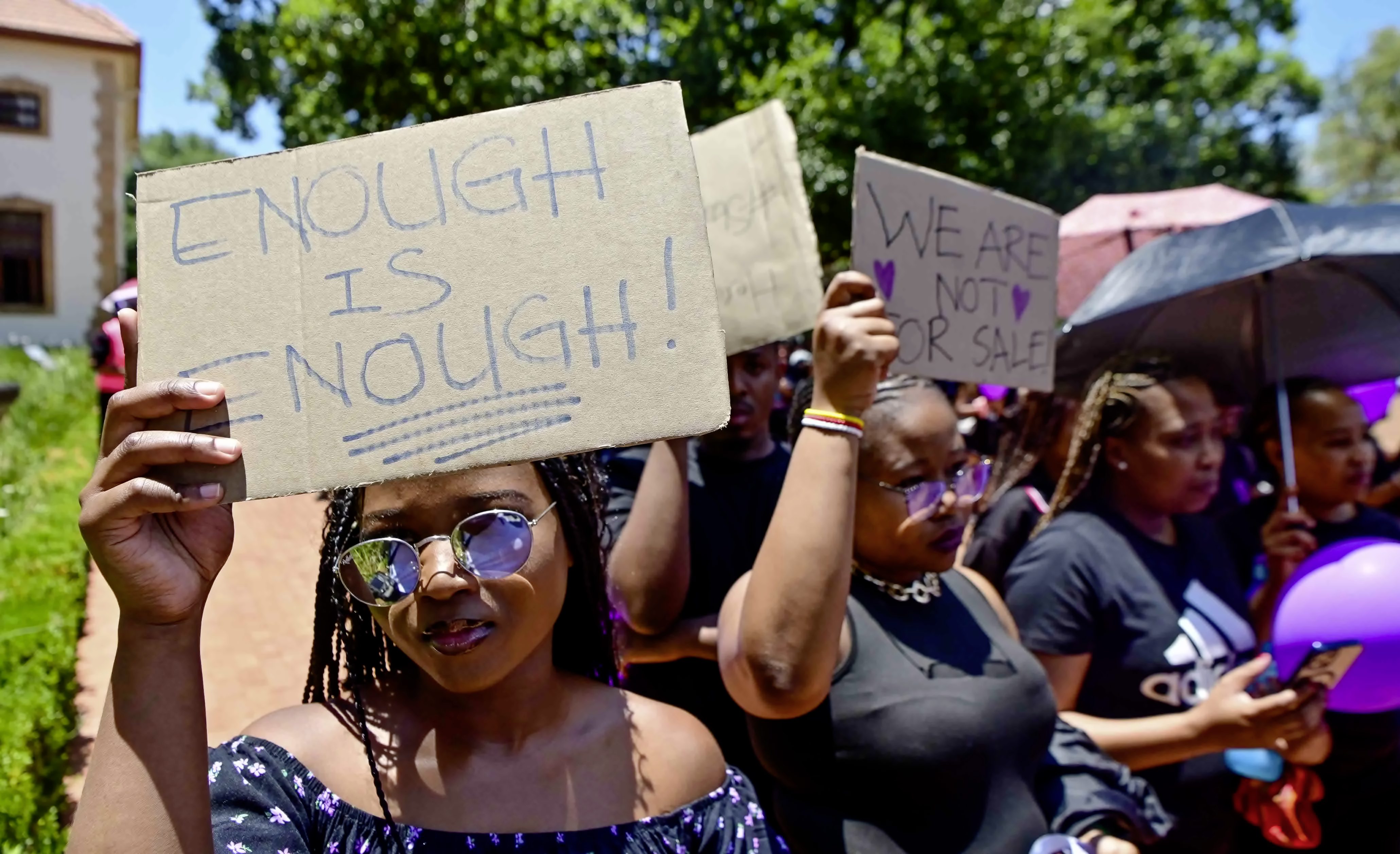
In Kenya, with femicide, the targeted killing of women, still undefined in law. Peaceful marches met with teargas, civil society warns that the absence of laws against femicide prevents prevention, accurate data collection, and accountability. While in South Africa, only unwavering women-led mobilisations forced the government to declare Gender Based Violence (GBV) and femicide a national disaster. The struggle also aimed to unlock funding and action against a crisis marked by harrowing violence occurring daily.
Beyond parliament walls, women in Africa have seen slow progresstoward equity across social, economic, and public life. And while girls now often out-graduate boys in school, these gains are not converting to proportionate power or safety.
When democracy is under strain, women stand up
The reality is that women fight for their freedoms against the odds. Over 80% Sub-Saharan Africans live in countries and territories where the rights to speak up, come together, and protest and act are grossly culled, according to the CIVICUS Monitor. The upcoming State of Civil Society report further details attacks on women’s rights movements.
Even in countries that are “democratic”, people’s trust in democracy in action is falling or has fallen sharply. At the same time, we have witnessed an overall stall in governance, with declines in citizen participation, rule of law, accountability, and safety and security. A clear erosion of the very conditions society needs to thrive, with women often bearing the biggest brunt.
These are not just stats and figures. They expose the human cost of democratic decline. In Kenya, the state’s response to the 2024 youth-led tax protests included killings, live ammunition, and enforced disappearances. Yet, women and youth kept organizing, despite being already at risk and continuously met with repression.
In Sudan, three years of war have brought killings, sexual violence, attacks on human rights defenders and journalists, and mass displacement. Circumstances that leave no space for women’s rights and voices. And still, women’s groups document abuses and support survivors.
Time and time again, we see that when institutions backtrack, women’s coalitions become the backstop. Women turn accountability and justice into action, not just promises.
But women are fighting back…
Despite clampdowns, women and youth are expanding civic space through organizing, standing up for justice in courts of law, and local leadership, turning moral urgency into policy and budget decisions.
We have seen what is possible when barriers fall.Namibia swearing in Netumbo Nandi-Ndaitwah as its first female president was a breakthrough that reset expectations about gender equality in leadership, and national priorities such as inclusion, economic empowerment and political unity. In Senegal, a youth-led coalition stopped an unconstitutional election delay in early 2024. Later that year, legislative elections went ahead, along with new calls for accountability for protest-related killings. This reminds us that strong and persistent civic action can push institutions back toward the rule of law.
How to champion women’s leadership?
Firstly, make rights a reality. Rights become a reality when perpetrators of violence against women’s rights are held accountable. Fund survivor centred support, legislate zero tolerance for violence, and require platforms and regulators to act on online abuse.
Lock in equality rules and provide money and resources. Quotas only work when they are designed, financed, and enforced fairly. Design rules that place women in winnable positions, not symbolic ones, and attach funding to enable equitable, shared power.
Make participation safe. Women cannot keep democracy alive if their participation is stifled. Open civic space, protect the right to peaceful expression and association, end protest repressions, and prosecute abuses.
The key takeaway for International Women’s Day 2026? Women aren’t just “participating” in democracy. They are holding it together by asserting rights, forcing justice, and turning action into law and budgets. If we want African democracies to breathe again, we need to back women’s leadership, open the civic space they work in, and fund the movements that are already delivering. Do that, and the women holding our democracies together will have the room and tools to keep them alive.
Cover Photo by Mlungisi Louw/Media 24 Pty Ltd via Gallo Images