


derechos sexuales y reproductivos
-
GUATEMALA: “Los grupos antiderechos buscan mantener los privilegios de unos a costa de los derechos de otros”
 CIVICUS conversa con el equipo de Visibles acerca de los recientes avances antiderechos ocurridos en Guatemala.
Fundada en 2017, Visibles una organización guatemalteca que trabaja para conseguir la plena inclusión las personas diversas y construir una sociedad donde todas las personas puedan ejercer sus derechos y gocen de respeto, libertad y bienestar.
El proyecto de Ley para la Protección de la Vida y la Familia llevaba varios años encajonada. ¿Por qué finalmente se aprobó ahora?
La iniciativa de ley 5272, aprobada por el Congreso de Guatemala como Decreto 18-2022, aumentó las penas por aborto a un mínimo cinco años de cárcel y prohibió el matrimonio entre personas del mismo sexo y la enseñanza de la diversidad sexual en las escuelas.
La iniciativa había sido presentada el 26 de abril de 2017 por un representante del partido conservador Visión con Valores. Tras obtener dictamen favorable de la Comisión de Legislación y Puntos Constitucionales, el pleno del Congreso la discutió y aprobó en sus primeras dos lecturas en 2018.
Pero para aprobar una ley en Guatemala se necesita reunir previamente el apoyo de una cantidad de congresistas antes de someterla a votación en el hemiciclo. Esto no ocurrió hasta 2022, cuando la alianza oficialista y los grupos políticos y económicos que les respaldan establecieron como una de sus prioridades promover esta agenda conservadora.
La actual presidenta del Congreso, Shirley Rivera, llegó a este puesto tras una trayectoria muy limitada, centrada únicamente en la propuesta de leyes que estigmatizan a la población trans y que buscan conceder mayores libertades a las iglesias, particularmente en el modo en que reportan sobre sus finanzas.
En el mes de marzo, en una suerte de contrapeso de la tradicional conmemoración del Día Internacional de la Mujer -una jornada de movilización feminista-, el Congreso declaró un Día Nacional de Conmemoración de la Vida y la Familia y aprobó esta iniciativa regresiva. Desde sus distintos poderes el Estado promovió una cantidad de acciones comunicacionales y eventos en los que participaron actores nacionales e internacionales vinculados al movimiento antigénero, orientados a promover la defensa de la vida desde el momento de la concepción y una definición tradicional, estrecha y excluyente de familia –es decir, una causa amplia que busca restringir la autonomía y las libertades de las mujeres y las personas LGBTQI+.
En esa misma fecha el Congreso pasó el Decreto 18-2022, y lo hizo por abrumadora mayoría: apenas ocho de 160 legisladores votaron en contra, y 52 se abstuvieron.
¿Consideran que esta movida forma parte de una tendencia regional antiderechos más amplia?
Definitivamente. Los grupos antiderechos de Guatemala forman parte de un movimiento transnacional altamente organizado y bien financiado que tiene por objetivo socavar los derechos de las mujeres y las personas LGBTQI+, así como la participación más amplia de la sociedad civil en el debate y las decisiones públicas.
La aprobación del Decreto 18-2022 no fue una reacción contra los muy escasos avances producidos en los últimos tiempos en materia de reconocimiento de derechos de la diversidad y de las mujeres. Sirvió para para reforzar jerarquías sociales que benefician a los poderosos y mantener o incluso aumentar su poder.
Las mujeres y las personas LGBTQI+ somos un blanco fácil. Los ataques contra nosotros reflejan una resistencia a las transformaciones sociales que buscamos: liberar el talento y el potencial de más de la mitad de la población.
Los movimientos feministas, de mujeres y de la diversidad representan algunos de los obstáculos que enfrenta este proyecto de poder y control, pero no son el único. Otro obstáculo surge del hecho de que, gracias al mayor acceso a la tecnología, ha aumentado el descontento social y se han elevado voces que les exigen rendición de cuentas. Son cada vez más las demandas de acción urgente para transformar la economía y asegurar que sirva para crear mejores oportunidades para todas las personas y familias, así como de creciente atención a problemas como el cambio climático y la preservación del medio ambiente y las vidas de quienes resisten el extractivismo transnacional.
¿Cómo se organizó la sociedad civil frente a este ataque antiderechos?
En Guatemala hay numerosas organizaciones de mujeres, de los pueblos indígenas, de juventudes, de población diversa, estudiantiles y religiosas que se organizaron para resistir el avance de esta agenda regresiva. Tras el cierre de espacios para la lucha anticorrupción, luego de la disolución de la Comisión Internacional contra la Impunidad en Guatemala (CICIG) en septiembre de 2019, uno de los principales procesos que ocurrieron fue la criminalización de quienes la habían impulsado, desde personas defensoras de derechos humanos hasta fiscales y jueces que habían trabajado dentro de las instituciones estatales.
Este cierre de espacios impulsó la búsqueda de nuevas ideas y rutas para avanzar en la construcción de la justicia. Ahora, la resistencia a la entrada en vigencia del Decreto 18-2022 nos marca el camino.
El Estado de Guatemala ha colaborado activa y sistemáticamente en la creación de una narrativa hostil a los derechos de las mujeres y las personas LGBTQI+. Y lo ha hecho de una forma muy hipócrita, ya que ha impulsado políticas públicas que invocan la protección de la vida y familia al mismo tiempo que ha demostrado una absoluta falta de compromiso con el mejoramiento de las condiciones en que viven las personas y familias guatemaltecas. Esta incoherencia se vuelve un insulto al aprobarse una ley que, al criminalizar a las mujeres y a las personas LGBTQI+, pone en peligro a más de la mitad de la población.
El mismo día en que se aprobó el Decreto 18-2022 comenzaron las protestas. La presión callejera fue novedosa e importante: mostró que las organizaciones podemos trabajar en coalición y que la ciudadanía está dispuesta a sumarse y velar por el bienestar de todos.
La movilización elevó el costo que pagaría el gobierno si convalidaba la decisión del Congreso. Hay que tener en cuenta que la administración liderada por el presidente Alejandro Giammattei era ya de por sí impopular y enfrenta un creciente número de demandas de rendición de cuentas: desde investigaciones periodísticas que revelan el mal manejo del poder público y denuncias de corrupción hasta sanciones internacionales contra funcionarios clave. En este contexto, el presidente Giammattei amenazó con vetar la ley por considerar que violaba la Constitución de Guatemala y los acuerdos internacionales suscritos por el país, y el Congreso reaccionó dando marcha atrás y archivando la ley.
¿Cómo trabaja Visibles para mejorar la situación de las personas LGBTQI+ en Guatemala?
Visibles trabaja por cambiar las ideas, actitudes y comportamientos de las personas hacia las personas LGBTQI+ y sus derechos a través de esfuerzos de investigación, formación, comunicación propositiva e incidencia política. Pensamos que nuestra visión de largo plazo –la de una sociedad que incluya plenamente a las personas diversas, garantizando que gocen de respeto, libertad y bienestar y que puedan ejercer todos sus derechos– solo es posible si empezamos a tener conversaciones uno a uno, con familias, amistades y personas en nuestros espacios de acción, para movernos juntos desde un lugar de prejuicio hacia uno de la aceptación.
La experiencia de resistencia colectiva frente al avance antiderechos nos unió, inspiró y comprometió aún más. La resistencia contra una política concreta de control sobre nuestros cuerpos y nuestras vidas como mujeres y personas LGBTQI+ nos interpeló de manera mucho más directa que una noción distante y abstracta como la del acceso a la justicia. Hoy nos mueve la construcción colectiva de un proyecto de justicia de género que consagre el derecho de todas las personas a vivir con dignidad. Esperamos que estas nuevas prácticas y objetivos de transformación revitalicen el movimiento por los derechos humanos.
¿Qué apoyos internacionales necesita la sociedad civil que defiende los derechos humanos de las personas LGBTQI+ en Guatemala?
La aprobación –y posterior vuelta en U– del Decreto 18-2022 nos dio una prueba del poder real que el Estado tiene en Guatemala sobre las mujeres y personas LGBTQI+. El riesgo no desaparece por el hecho de que se haya archivado la ley, pero quizá sí tenga el efecto de enviar una señal de alarma a la comunidad internacional.
Es importante que vuelvan su atención, sus apoyos y recursos hacia Guatemala, cuyas fuerzas antiderechos forman parte de una avanzada regional. No podemos descuidarnos y permitir que los movimientos antigénero avancen en su objetivo de sostener y consolidar estructuras injustas de poder desigual en la cual algunos mantienen sus privilegios a costa de los derechos elementales de otros.
El espacio cívico en Guatemala es calificado como “obstruido” por elCIVICUS Monitor.
Póngase en contacto con Visibles a través de susitio web o sus páginas deFacebook eInstagram,y siga a@visiblesgt en Twitter. -
LATVIA: ‘Faced with hatred, we focus on delivering a human rights message’
 As part of our 2018 report on the theme of reimagining democracy, we are interviewing civil society activists and leaders about their work to promote democratic practices and principles, the challenges they encounter and the victories they score. CIVICUS speaks to Kaspars Zālītis about the challenges faced by LGBTI people in Latvia, and the actions undertaken by civil society to broaden civic space for sexual minorities and therefore to make democracy truly inclusive. Kaspars is the director ofMozaika - Association of LGBT and their friends, currently the only LGBTI rights civil society organisation (CSO) in Latvia. Established in 2006, Mozaika promotes gender equality and anti-discrimination; raises awareness of diverse sexual orientations, gender identities and expressions of identity;promotes an understanding of diverse family models and their legal recognition; and advocates for the harmonisation ofLatvian laws with international standards.
1. What is the current situation of LGBTI rights in Latvia?
On the International Lesbian, Gay, Bisexual, Trans and Intersex Association’s ILGA-Europe Rainbow Map, which measures each country’s respect for LGBTI rights, Latvia ranks 40th within Europe, and last of all European Union (EU) member countries. In turn, the CIVICUS Monitor has reported several restrictions of civic space in Latvia. CSOs working on controversial topics are being targeted, and civil society has found it increasingly difficult to gain access to policy-makers. Mozaika has tried to lobby politicians and policy-makers for years, but they often prefer to meet in private rather than attract any attention that can lead to attacks from right-wing activists and politicians.
The political climate is hostile for sexual diversity and for diversity as a whole. ‘Moral upbringing’ amendments introduced into the Education Law in 2015 - which mandate schools to promote ‘family values’ and marriage as part of education - have been implemented through the publication of guidelines that have caused fear among teachers of negative reactions if they touch on any LGBTI issues, and sexual and reproductive rights issues more generally. In 2016, a schoolteacher whose students had requested her to start a Gay-Straight Alliance was asked to refrain from doing so, and another teacher faced calls that he should close all his social media accounts so that students wouldn’t see his ‘LGBT-friendly’ attitudes - in other words, he was asked to hide his sexual orientation. Legislators bashed him on social media and insinuated that he was ‘recruiting’ children.
In March 2018, parliament was quick to dismiss a Cohabitation Bill that would have granted basic rights to non-married couples, including same-sex ones. It did so on the grounds that couples could access these rights by getting married, even though the Latvian Constitution prohibits same-sex marriage. The initiative had started three years earlier through an online petition that gathered 10,000 signatures, which was why parliament had to consider it.
2. What is the role of religious groups in this?
Indeed. The Catholic Church has a lot of influence, and it is taking the lead in fighting the LGBTI community and pushing back against women’s rights. For instance, there has been a lot of disagreement over the ratification of the Council of Europe Convention on preventing and combating violence against women and domestic violence, also known as the Istanbul Convention, and parliamentary debate on the issue has been postponed until after parliamentary elections are held in October 2018.
Church leaders and many public officials oppose ratification of the Istanbul Convention because one of its non-discrimination clauses concerns sexual orientation and gender identity. The Catholic Archbishop is rallying against it and has gathered considerable support among political parties and parliamentarians. He has managed to convince them that ratification is part of the secret agenda of so-called ‘genderists’ – an expression that originated in Russia, a country with a very strong cultural influence in Latvia. Church officials, right-wing activists and politicians and anti-LGBTI and anti-abortion groups depict the Convention as contrary to Latvian traditional values and as being aimed at over-sexualising and ‘converting’ children. These arguments are gaining ground among the public.
This rhetoric is not the exclusive preserve of the Catholic church: the Lutheran church, which is the largest Protestant church in Latvia, is also taking a lead in fighting us and the Istanbul Convention. This is quite strange, because Lutherans, prevalent in Nordic countries, tend to be more liberal. But in Latvia they even voted against having female priests, following the lead of the Catholic church. Additionally, new religious organisations with direct links with US evangelical groups are emerging. Some of their leaders have been trained in the USA and are quite good at influencing people.
Although religious leaders and organisations don’t have a direct and institutionalised role in policy-making, given that the Latvian Constitution establishes a separation between church and state, in practice they have a lot of influence. Church-state separation notwithstanding, the state has a religious advisory council, as does the City Council. It is not uncommon for the Catholic Archbishop to meet with the ruling coalition’s leading party, and for the party’s leader to then say that he has ‘consulted’ with the Catholic church and has decided to vote in one way or another. You can see a direct link because all this happens in public.
We, on the contrary, don’t have access to leading politicians because they are not willing to risk their reputations by meeting us in public. At the most, we can expect to have a private meeting here and there. This has a lot of impact on us, especially as we see the religious right rise all over Europe. Religious organisations and right-wing parties are increasingly organised and coordinated to fight against gender equality and LGBTI rights at the European level, and they are getting a major influx of resources from the USA. They have way more resources than we do, and their message also resonates better with the latent homophobia in Latvian society, which is becoming increasingly vocal. And after the Brexit vote and the Trump victory, they are emboldened. The latest developments in Hungary and Poland are also proof to them that they may be closer to winning.
3. Has this discourse penetrated the media?
Most definitely. Our media landscape is quite pluralistic, and the state channel and public broadcaster at least try to provide balanced coverage. But some media outlets are outright hostile towards LGBTI groups, and one of them, a Russian outlet with a major agenda against the rights of women, migrants, refugees and LGBTI people, is clearly leading a crusade against us.
Vilification of women’s and LGBTI rights groups is also increasingly taking place online. We are now constantly harassed on Facebook. At some point we realised these were not the usual people who used to attack us and we did some research to find out where the attacks were coming from, and found links to evangelical churches.
Since January 2018, Mozaika has reported over 200 posts that are openly homophobic to social media administrators, and most of them have been taken down and their authors temporarily or permanently blocked. This caused all Mozaika activists to be blocked from accessing certain groups and pages, and we have evidence that a number of secret Facebook and WhatsApp chat groups have been created to follow our activities.
4. Can you tell us more about the significance of Pride in Latvia and the Baltic Pride that was recently held in the capital, Riga?
Pride in Latvia is the most visible LGBTI event in the country. It draws widespread social and media attention to our cause, but it also attracts a large number of expressions of hatred and brings to the surface negative attitudes towards the LGBTI community. Pride in Latvia grew from 70 participants who faced 3,000 protesters in 2005, to 5,000 participants at EuroPride 2015, which was held in Riga, and 8,000 in the recent Baltic Pride. In between, it was banned by Riga City Council three times.
Mozaika applied for permission to hold Baltic Pride in February 2018. Latvian laws state that applications must be submitted no earlier than four months prior to the event and that if there is more than one application for an event to be held at the same time, priority will be given to the first applicant. Mozaika’s representative arrived at Riga City Council an hour before opening to make sure that Baltic Pride was the first applicant, and just seconds after he entered the building Antiglobalists, an anti-rights organisation, arrived to submit another request for an event that would take place at the exact same time and venue, but under the name “Promotion of paedophilia, zoophilia, necrophilia and other perversions.” They wanted to make the statement that if ‘homosexuals’ can promote their ‘perversions’, then they should also be allowed to promote any other perversion they could think of.
Since it became known in late 2017 that Riga would host Baltic Pride, both Mozaika and Baltic Pride became targets. The leader of the Latvian Green Party-Riga Unit started a //medium.com/@juriskaza/latvian-science-fund-head-asks-to-ban-riga-pride-event-87173b6e2cbe">personal campaign against so-called ‘genderists’. He insisted that Baltic Pride should be banned and set up a Facebook page to ‘inspire’ activists for ‘traditional values’. Starting in January, Baltic Pride organisers received over a hundred personal attacks, warnings or threats. We were insulted, called sick and branded perverts on our Facebook pages on a daily basis. Hate campaigns were launched to convey the idea that Pride is a ‘sex festival’. Countless posts were made showing rainbows and guns, to create fear among potential participants and the LGBTI community and dissuade them from attending. Antiglobalists, Tautas tiesību kustība (National Rights Movement) and activists inspired by right-wing politicians also constantly posted statements to encourage others to stand against Baltic Pride. Sometimes they provided details about our activities, forcing us to restrict them to registered participants to ensure safety. We also had to take unprecedented security measures for Pride events.
Fortunately, we could find common ground and work closely with the police. Counter-protesters attack and humiliate the police, but we treat them with respect. No public official or security officer supporting us would ever say so publicly, but we have been able to work together behind closed doors. In the end, Baltic Pride was a great success. We would have considered it a success if 2,000 people had attended, but over 8,000 did. There were no major incidents, although at some point eggs and smoke bombs were thrown at participants.
5. How do you counter the anti-rights message?
We focus on delivering a human rights message. We never blame the church or call anyone by name - we don’t talk about them. We counter argument with argument, and fiction with facts. If they say that perverts will march, we state the fact that 70 per cent of those ‘perverts’ are straight people with children. Against arguments that ‘naked people’ will march, we simply say we don’t know what Pride they are referring to because we have never had people marching naked in Latvia. When we are called perverts, we thank them for their opinion but insist that we want to have a conversation within a human rights framework. That is, we don’t want to limit anyone’s rights and we want to be able to exercise ours. Compromising and always staying within the confines of a positive message may be personally difficult for many activists, but that is what we are going for, no matter what we hear. We might explode afterwards, but while we meet we listen and stay calm.
I always meet the Catholic Archbishop at state visits or embassy receptions and we have polite exchanges. I’ve told him I’m non-believer but I know that the message of Jesus is all about love and respect and I don’t see that coming from him – that’s when he leaves the conversation. Within Mozaika there are also religious people, and we have invited churches to have an open and public dialogue, but so far, they have always refused.
6. What is civil society in Latvia doing to overcome these challenges?
Civil society uses all the available mechanisms to highlight rights violations in the international arena, including at the EU level, and to try and influence decision-makers and politicians. However, our Minister of Justice, who is openly homophobic and transphobic, ‘does not see’ any restrictions. While we were organising our Pride event, the government was putting a lot of effort into organising celebrations for the centennial of the Latvian state, and often blamed critical CSOs for shaming the country abroad as such an important date approached.
In this context, Mozaika planned several actions, including a social media campaign (‘I support freedom’) in which public personalities publicly expressed their support for LGBTI rights, and human rights more generally, and demanded that our government ensure that Baltic Pride could take place safely. We aimed to bring in people who are not typically seen as supporters of human rights and LGBTI rights, and then amplify their voices as allies of the LGBTI community. Ultimately, what we wanted to show is that the LGBTI community and its supporters were a lot more numerous and diverse than the handful of activists and the few hundred people who normally show up to our events. We also undertook efforts targeted at international organisations and foreign governments and activists. We asked them to encourage people to participate in Baltic Pride and demand that the authorities guarantee their safety.
Of course, we continue to monitor, document and report online and offline abuses against LGBTI people, activists and organisations. We take down hate comments and instruct the community to report any attacks that they experience on social media to us so we can work to take down the posts. If prominent hate expressions get out there, we try to respond to them with a counter-message. But we have limited resources, so sometimes we leave them for liberal commentators to deal with, and we focus on using social media to counter the most blatant expressions of hatred, particularly if someone is attacked physically.
Finally, we are trying to place LGBTI issues and broader diversity issues on the agenda of the campaign for the upcoming October 2018 parliamentary election. We are promoting public debate on these issues, presenting political parties with examples of the rights restrictions that LGBTI people face on a daily basis and asking them to provide policy solutions to create a safe environment for LGBTI people and other minorities. We will consider it a success if three or four political parties include LGBTI issues or other diversity issues on their agenda.
7. What are your needs and what can donors do to help?
The one thing we have wanted to do for a long time is a long-term communications campaign – not the kind that individual CSOs put together on their own, but a broader one coordinated by various CSO leaders and activists who provide the substance and set the tone, and that is executed and managed by a professional communications team. The problem is that all CSOs live from project to project and are barely sustainable. Mozaika is able to function thanks to the work of volunteers. So what we need most is resources to ensure sustainability. This includes building capacity, but this has to be done on the basis of the expertise that we already have. We have attended countless training events and seminars, and are tired of going to international meetings just to be told ‘this is the right way to do it’. We need customised approaches to find practical solutions to our specific problems. There is a lot for us to learn from France, Germany, or the USA, but lessons must be customised and they should come alongside the resources to ensure sustainability.
Civic space in Latvia is rated as ‘narrowed’ by the CIVICUS Monitor.
Get in touch with Mozaika through their Facebook page or follow @lgbt_mozaika and @KasparZ on Twitter and Instagram.
-
LGBTQI RIGHTS: ‘There is an ongoing desire among many to more closely regulate morality’
 As part of our 2019thematic report, we are interviewing civil society activists, leaders and experts about their experiences of backlash from anti-rights groups and their strategies to strengthen progressive narratives and civil society responses. CIVICUS speaks to T King Oey, an Indonesian capacity development expert and a founder and board member ofArus Pelangi, the Indonesian Federation of Lesbian, Gay, Bisexual, Transgender, Transsexual and Intersex Communities.
How does your network work, and what are the challenges you are addressing?
Our organisation, Arus Pelangi, which means the Flow of the Rainbow, was established in 2006. This was during the Reformasi era that followed the ousting of President Suharto in 1998 after three decades in power. After this there was much more freedom and many repressive laws were revised. At this time LGBTQI people felt we should come together to stand for our rights. Before then the only context in which people talked about LGBTQI people was in relation to the mitigation of HIV/AIDS. So we decided to form an organisation purely to advocate for the rights of LGBTQI people.
Arus Pelangi is a coalition of national and local groups of LGBTQI people. We network a lot with other human rights organisations, including those working on other aspects of diversity and legal reform. We have also been instrumental in the formation of a network across the Association of Southeast Asian Nations (ASEAN) member countries – the ASEAN SOGIE Caucus. It is based in the Philippines and Arus Pelangi is an important member. At the same time we are reaching out to local communities around the huge country of Indonesia. There are still capacity challenges in enabling far-distant communities to make their voices heard.
What challenges have you faced in recent years?
The space for democracy in Indonesia is becoming more restricted, and it is harder for us to be visible. When we started in 2006 we saw it as strategic to raise our visibility as much as possible, so people could see and understand LGBTQI people and know who we are. So we took part in demonstrations, held flash mobs, held public discussions, made media appearances – anything to make us visible as a group.
From the very beginning there were all kinds of groups attacking us. But things got much worse in 2016, when all of a sudden there was this massive wave of attacks. Persecutions also began from 2016 onwards. The trigger was a pronouncement by the Minister of Research, Technology and Higher Education, Muhammad Nasir, that LGBTQI people should be banned from university campuses. Suddenly everyone joined in, saying that LGBTQI people should be banned from everywhere, that we should be criminalised.
These attacks came especially from hardline religious groups. These groups had always advocated for criminalisation, but suddenly they had momentum because of what the minister had said.
From then on it was no longer possible to be visible as an organisation, and to some degree even as individuals.
How have extremist groups been able to organise, and how have they mobilised support?
The Reformasi era created all kinds of freedoms for people to organise themselves, but the fundamentalists had the same freedoms, and they did very well in organising themselves. They have received lots of funding from Saudi Arabia.
There has been a two-track development in Indonesia. Indonesia has become more part of a global society, more integrated in terms of technology, but at the same time people’s minds have become more conservative, due to the influence of fundamentalists. Fundamentalists have had more chances to preach, and to organise in all kinds of groups and organisations. One of the most well-known is Islam Defenders Front (Front Pembela Islam, FPI), which has been very vocal in attacking us, and they have been able to stop some of our activities.
The attitude of the police has been ambivalent. They haven’t stopped the FPI from attacking us. Rather they have said that for our safety it would be better if we disband. They always use this argument of safety. Since 2016 the police have also been proactive in outing and arresting people. People are arrested, paraded in front of the media and then released without charge.
This has had a huge effect on the whole community. People have become afraid. Since 2016 we have held hardly any public events. We have to keep things secret and do everything underground. We have also had to learn to take security measures. Many of our people became depressed and closed themselves away, stopped going out. It’s just like being back in the Suharto era. We aren’t free any more.
Fundamentalists reached the level of power that in 2017 they were able to put Basuki Tjahaja Purnama, the Christian governor of our capital city, Jakarta, into jail for blasphemy. This was when the network of fundamentalist groups reached the height of their power. They were able to work together to do this. Indonesia has a blasphemy law, and once someone has been indicted, it is certain they will be convicted. I haven’t heard of any case when someone charged with blasphemy has walked free.
How has the government responded?
What is interesting is that this level of fundamentalism got to the point where it was threatening the position of President Jokowi. Only then did we see a concerted effort from the government to push back, and this process is still going on. The government has banned one of the fundamentalist groups, an international Muslim network that calls for the establishment of the caliphate, on the grounds that it does not adhere to the national ideology, known as Pancasila.
A law the government recently passed on civil society organisations enabled it to do this. Human rights organisations criticised this law for being too loose and flexible. It could potentially enable the government to ban any group. This is the first time it has been used. The same law could be used against any group. It’s a double-edged sword.
The government is considering banning the FPI. The government is also saying that it is coming to realise how many campuses have been infiltrated by fundamentalist groups, but it’s hard to know what’s going on behind the scenes.
Has the April 2019 presidential election brought any changes?
President Jokowi won re-election in April, but it seems he felt he couldn’t do it without the support of the moderate Muslims, as he took an Islamic cleric, Ma’ruf Amin, as his running mate. Ma’ruf is a fairly conservative cleric who has made all kinds of negative pronouncements against LGBTQI people. It’s a mystery for many people, even for supporters of President Jokowi, why he was chosen over all other candidates.
For LGBTQI people, now President Jokowi has won re-election, it remains to be seen whether the coming five years will bring any improvement. We don’t believe President Jokowi is against LGBTQI people, and on some occasions, he has said that the rights of LGBTQI people should be protected. But this is the kind of thing he has said when he has been interviewed by the BBC. It is a message for the outside world, rather than for a domestic audience.
What is also disappointing is that in his first term, President Jokowi prioritised a focus on the investment climate, emphasising massive infrastructure projects, such as ports, roads and power plants, and reforming the bureaucracy to remove obstacles against investment. Just recently he has announced that his second-term priorities are the same. He said nothing about human rights. Many were hoping that he would be less cautious in his second term. It remains to be seen how committed he will be to human rights.
As well as LGBTQI groups, which other communities are subject to persecution?
Other groups particularly vulnerable to human rights abuses are minority Muslim sects, which have been heavily persecuted over the years, and communists and those associated with them. This goes way back to the mass killings of 1965-1966. Survivors and second and third-generation family members are still suffering from discrimination and threats.
The struggle for gender equality goes back many decades. Women are targeted by conservative groups. Shariah law applies in the province of Aceh, and they have introduced and are applying draconian punishments such as caning and stoning to death. Several LGBTQI people have been the victim of caning. There are attempts to criminalise non-normative sexuality elsewhere in Indonesia.
There is an ongoing effort and desire among many to more closely regulate morality. It is a continuous battle to try to prevent more repressive measures. For example, parliament is currently debating a law on domestic violence, and conservative law-makers are asserting that many things we would consider as sexual violence, like marital rape, are not included. The dividing line is between following a hardline interpretation of the Quran or not. Despite its secular appearance, Indonesia has become a de facto religious state.
How is civil society responding to these challenges, and what support could the international community and international civil society best offer to Indonesia’s LGBTQI community?
Civil society has been trying to respond through networking, joint statements, lobbying parliament and campaigning, including through Change.org. But it can feel like fighting an impossible war, because the conservatives always seem to be more powerful, better organised and better resourced.
We have to be careful when considering outside assistance, because one of the arguments that fundamentalists always use is about foreign influences and attempts to make Indonesia a liberal country. LGBTQI is characterised as a western concept that is incompatible with the culture. Of course if you look at the culture and history of Indonesia you see all kinds of expressions of non-binary gender, including in dances, songs, literature and rituals. This culture has been denied consistently by conservatives who say that the only culture is hardline Islam. The conservatives forget that Islam itself is an imported religion.
In 2015, when the US Supreme Court legalised same-sex marriage, this created quite an uproar in Indonesia. Conservative groups always point to this and say that once they give in to one thing, this is what will happen. The global debate about same-sex marriage works both ways for us, because LGBTQI people in Indonesia have never suggested this – it seems too far away to even contemplate this, and we need to have our fundamental rights respected first – but at least it tells us we’re not alone.
So you have to be careful, but solidarity helps. It helps LGBTQI people here to know they are not alone and have not been abandoned. If people have any chance to speak to government officials from Indonesia, they should use that opportunity to speak up for LGBTQI people and other vulnerable groups.
At Indonesia’s United Nations Human Rights Council Universal Periodic Review session in 2017, many shadow reports pointed to the severe situation of LGBTQI people. There was quite a bit of criticism. The usual attitude of the Indonesian government is to cite social conservatism, but this time it was forced to acknowledge the need to take steps and it committed to hold a dialogue with the LGBTQI community. This was a concession that came because of international pressure. Of course, it remains to be seen what will happen on the ground. We have to keep the pressure on.
Civic space in Indonesia is rated as ‘obstructed’ by theCIVICUS Monitor.
Get in touch with T King Oey throughArus Pelangi‘s website.
-
MALAYSIA: ‘We need global solidarity to push back on attacks on rights’
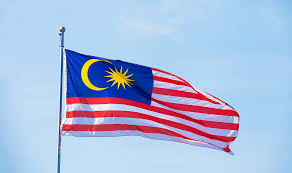
As part of our 2019thematic report, we are interviewing civil society activists and leaders about their experiences of backlash from anti-rights groups and their strategies to strengthen progressive narratives and civil society responses. CIVICUS speaks to Thilaga Sulathireh of Justice for Sisters and Seksualiti Merdeka about LGBTQI rights in Malaysia and the ways in which state and non-state forces are working together to deny rights.
Can you tell us about your work and the status of LGBTQI rights in Malaysia?
I work with Justice for Sisters and Seksualiti Merdeka. Justice for Sisters is a network that primarily works for the human rights of trans people in Malaysia, and we provide legal support, do human rights documentation, engage in national policy work and undertake advocacy with the United Nations (UN) to highlight human rights violations. At Seksualiti Merdeka, we recently launched a website, Queer Lapis. We do capacity strengthening and content production. The work we do is very much grounded in feminist, intersectional principles, and from a queer perspective.
The human rights of LGBTQI people are definitely regressing in Malaysia. Malaysia historically inherited section 377 of the Penal Code, which criminalises ‘unnatural’ sexual acts, from British colonial rule. Section 377 has been amended several times, and the last amendment in 2017 resulted in the imposition of mandatory whipping as a punishment for consensual carnal intercourse deemed unnatural. The law is gender-neutral but it is used in political ways. As a result, people see it as a law that applies to gay people. We also have shariah laws in three states of Malaysia, introduced between 1995 and 2013, that penalise same-sex relations and posing as a woman or man. Unlike Section 377, these laws directly criminalise sexual and gender identity. The implementation of these laws varies according to state, but amongst them, the law against posing as a woman is most actively used.
Has the situation for LGBTQI people changed in recent years?
In recent years, arrests and raids made under these laws have decreased, because of a legal challenge that took place between 2010 and 2015. An appeal went through the different stages of courts. We got a negative decision in the High Court and then won in the Court of Appeal, which upheld that the law was unconstitutional, but then the decision was overturned by the Federal Court. But because of the activism around this case, the number of arrests significantly reduced.
At the same time we saw a shift in tactics by the government’s Islamic Department, which has adopted a softer evangelical approach towards LGBTQI people. They saw that heavy prosecutions were giving the department a bad image, so there was a shift towards a softer approach, around promoting the ‘rehabilitation’ of LGBTQI people. There is a narrative that LGBTQI people need help in returning to the ‘right path’.
We saw an increase in state-funded ‘rehabilitation’ activities in this decade, at the same time that Seksualiti Merdeka, which used to organise festivals, was banned in 2011. The government decided it needed to increase its response to this growing LGBTQI movement. This gave rise to more groups that promote and provide ‘rehabilitation’ or ‘conversion therapy’. We have seen more anti-LGBTQI campaigns in universities and on social media. We have seen more concerted efforts overseen by the Ministry of Religious Affairs, which sits under the Prime Minister’s office, and which launched a five-year action to plan to address the ‘social ills’ caused by LGBTQI behaviour. This brought together most ministries.
As well as the use of various laws and increased state funding for anti-LGBTQI activities, we have seen a heavy-handed response to the freedoms of association and assembly of LGBTQI people. For example, when LGBTQI people have taken part in women’s marches, their organisations have been investigated.
Did anything alter as a result of the May 2018 election, which saw the first change of government in Malaysia’s independent history?
The 2018 election has historic in that it changed the administration, but the government has adopted and continued the same policies. Nothing has changed from the LGBTQI perspective. We still see the same amount of resources going into policies that treat LGBTQI people as a problem.
There is also an ongoing struggle between the new government and the former ruling party that is now in opposition, and this is used to justify the lack of change for LGBTQI people. Right after the election a lesbian couple was arrested in the state of Terengganu, which is an opposition-controlled state. They were charged for sexual relations between women and caned openly in the public court. After this there were also two cases of caning of sex workers.
So there is all this moral policing. Homophobia is real, but there is also a political tussle and mind games being played over who are the guardians of Islam and race. In this crossfire LGBTQI issues and people become politicised.
Who are the main groups attacking LGBTQI rights in Malaysia?
All the groups attacking LGBTQI rights use evangelical language, similar to the right wing in Europe or the USA. They reject the universality of human rights, are nationalistic, oppose pluralism and diversity in many ways, prioritise a particular race or religion and support ‘conversion therapy’. Some of the state-funded activities towards LGBTQI people are carried out by these groups.
There are celebrity preachers who post social media videos encouraging people to troll LGBTQI people and those who post LGBTQI-related content. There are also individuals who make homophobic comments and conservative student groups who organise against LGBTQI people. But they are less physically aggressive than those in Europe and the USA. They are often careful not to insult LGBTQI people out of fear of giving Islam a bad name.
There are also ethno-nationalist groups, with the purpose of protecting Muslims and ethnic Malays, that also engage in anti-LGBTQI activity. These don’t adopt an evangelical approach. They engage more in reporting LGBTQI people to the police, and sometimes physical intimidation and violence. At the last women’s march, we saw some of these groups physically intimidating participants. They also issue statements and have an active social media presence.
Then there are groups that call themselves Islamic non-governmental organisations (NGOs), some of which come together under a coalition of Islamic NGOs that participate in the Universal Periodic Review (UPR) process of the UN Human Rights Council (UNHRC). These include groups that use more rights-oriented language, given that they engage in the UPR process, and particularly use the language of religious rights. They position what they call the ‘rehabilitation’ of LGBTQI people as consistent with these religious rights. They also cite examples such as the case of a bakery in the USA that was taken to court for refusing to provide a cake for a same-sex wedding to support their arguments for religious rights. Some of these are groups of doctors, lawyers and academics, and they make pseudo-scientific and legal arguments against LGBTQI rights. Some of these Islamic NGOs also provide services, and as such are involved in the government’s ‘rehabilitation’ programme.
Within civil society, there is a tension between groups that support the universality of human rights and those that oppose it. Between those that promote pluralism and liberalism and those that oppose these. Between those that support LGBTQI rights and those that talk in terms of ‘rehabilitating’ LGBTQI people.
How do these tensions play out around civil society’s engagement at the international level?
Some of those Islamic NGOs engage in policy spaces. If LGBTQI CSOs attend a government consultation on the UPR, they share the space with these.
The UPR process – and UN processes more generally – offer a key site of contestation between these two camps. The second UPR cycle in 2013 was seen by critics as an attempt by civil society to push for the recognition of LGBTQI rights and destabilise the position of Islam in the Federal Constitution. There was a lot of pushback. And then in the third UPR cycle in 2018, these groups participated in the process and claimed space. Some of the recommendations of this group were included in the report compiled by the UNHRC.
When the Government of Malaysia tried to ratify the International Convention on the Elimination of All Forms of Racial Discrimination and the Rome Statue of the International Criminal Court, there was a lot of pushback from these groups and attempts to mobilise Muslim people against ratification. The government pulled out of ratifying on the grounds that it would affect the position of Islam and could offer an entry point to the recognition of LGBTQI rights.
How do different groups that oppose LGBTQI rights connect and receive support?
After the corruption scandal that led to the ruling party losing the election, ethno-nationalist groups are no longer as closely linked to political parties as they used to be. I suspect now they are mostly self-funded. With Islamic NGOs, I suspect they receive some foreign funding. Some have a presence outside Malaysia as well. There is an umbrella group, ISMA (Malaysian Muslim Solidarity), which apparently has an office in Germany.
We also believe some groups receive state funding for their participation in the government’s anti-LGBTQI programme. When a colleague raised the issue of state-sponsored violence against LGBTQI people at a UPR meeting, this created a lot of protest from Islamic NGOs, including those linked with ISMA, who demanded an apology and retraction. The small organisations that are providing ‘rehabilitation’ services also mobilised in their support, making quite clear the connections between groups receiving state funding to provide services and Islamic NGOs advocating against LGBTQI rights.
How is progressive, rights-oriented civil society trying to respond?
In the last few years LGBTQI groups are also pushing back and being more organised. The coalition of human rights organisations that participated in the UPR process has also tried to engage with Islamic NGOs and tried to increase engagement by pro-human rights Islamic organisations. They had some success in the UPR process in getting some groups to recognise the discrimination LGBTQI people face. Now there are more civil society groups that are countering arguments against universal human rights online, and more actions to communicate human rights messages in popular ways and in different languages. LGBTQI groups are working on communication strategies. We need this because we face overwhelming misinformation about LGBTQI people.
LGBTQI groups recognise that these issues aren’t restricted to Malaysia alone. We see a lot of tension at the UN level and realise these issues are ongoing, with states pushing the adoption of problematic language. For example at the Commission on the Status of Women in 2019, language about sexual orientation and gender identity was dropped because of pushback from conservatives. This is a global issue. Civil society everywhere is dealing with these challenges. So how can we come together and strategise around this? How can we do global activism better?
We need to make sure there is diverse representation in these international forums. We need to have global solidarity to push back on attacks on rights.
Because there’s a religious dimension to this, and because Islamophobia is on the rise, we need also to be careful when talking about these issues not to encourage more Islamophobia. We need to have more conversations about how we address intersectional forms of oppression and also give spaces for Islamic groups to participate in processes that help address Islamophobia. This is something that as civil society we need to be sensitive to.
Civic space in Malaysia is rated as ‘obstructed’ by theCIVICUS Monitor.
Get in touch with Justice for Sisters through itswebsite andFacebook page, orfollow@justice_sisters on Twitter.
-
MÉXICO: “La sentencia de la Corte Suprema marca un antes y un después en la lucha por la justicia reproductiva”
CIVICUS conversa acerca del reciente fallo de la Corte Suprema que descriminalizó el aborto en México con Brenda Rodríguez, coordinadora de comunicación del Grupo de Información en Reproducción Elegida (GIRE).GIRE es una organización feminista y de derechos humanos que lleva casi 30 años trabajando para que las mujeres y otras personas con capacidad de gestar puedan ejercer sus derechos reproductivos.
¿Cuál es la situación actual del derecho al aborto en México?
En los últimos años, en México se ha avanzado vertiginosamente para que el aborto se convierta en un servicio de salud garantizado para todas las mujeres y personas con capacidad de gestar. Actualmente, 12 entidades federativas han despenalizado parcialmente el aborto voluntario, pero otras 20 todavía lo consideran un delito.
Sin embargo, en los estados donde el aborto se ha despenalizado, el acceso al procedimiento para todas las mujeres y personas gestantes no está garantizado; por el contrario, las barreras de acceso son una constante.
De modo que todavía hay un largo trecho por recorrer. Entre los muchos pendientes es necesario que el aborto deje de ser considerado un delito y que, en cambio, se lo incluya en las regulaciones sanitarias y de política pública, de modo que se asegure el suministro de información sobre el tema y se publiquen los lineamientos que garanticen su atención integral, segura y de calidad.
-
PERÚ: ‘La corriente ultraconservadora está afectando la vida democrática y los derechos fundamentales’
 En el marco de nuestro informe temático 2019, que será publicado en octubre, estamos entrevistando a activistas, líderes y expertos de la sociedad civil acerca de su experiencia frente al avance de los grupos anti-derechos y sus estrategias para fortalecer las narrativas progresistas y la capacidad de respuesta de la sociedad civil. En esta oportunidad, CIVICUS conversa conEliana Cano, fundadora de Católicas por el Derecho a Decidir – Perú (CDD-Perú), un movimiento de personas católicas y feministas, comprometidascon la búsqueda de justicia social y elcambio de los patrones culturales que limitan la autonomía de las mujeres y sus derechos sexuales y reproductivos. Recientemente, CDD-Perú fue demandada civilmente por el Centro Jurídico Tomás Moro, que busca quitarle la personería jurídica con el argumento de que, en el marco del concordato entre el Vaticano y Perú, no debería utilizar la designación de “católicas”.
CDD-Perú ha sido demandada civilmente para que se le retire la personalidad jurídica y se le impida definirse como ‘católica’. ¿Quiénes las están demandando, por qué se han ensañado con ustedes, y qué pretenden lograr?
Hace aproximadamente un mes y medio fuimos notificadas de que el Centro Jurídico Santo Tomás Moro, que se autodesigna representante de la Iglesia Católica, nos había iniciado una demanda. Según los abogados que nos están asesorando, este grupo empezó a explorar todo el quehacer de nuestra organización hace aproximadamente un año. Eligieron la vía civil para demandarnos porque quieren hacer de esto un proceso largo, tedioso, cansado, de apelación permanente. Es un proceso que podría llevar en promedio entre tres o cuatro años. La estrategia de fondo es agotarnos en el proceso.
Quieren que nosotros, como organización, dejemos de existir en la Superintendencia Nacional de los Registros Públicos, es decir, que perdamos nuestra personería jurídica y no podamos seguir operando en el Perú. Para ello aducen que, por llamarnos como nos llamamos, estamos faltando el respeto a la Iglesia Católica y a la feligresía; dicen que, en el marco del concordato entre el Vaticano y el Estado peruano, que reconoce el rol de la Iglesia Católica, estaríamos usando de mala fe el término ‘católicas’, que representa a una institución y a una identidad histórica. No aceptan la interpretación que hacemos de los textos bíblicos desde la teología feminista para cuestionar el dogma, la conciencia impuesta, el control que buscan hacer de la gente en nombre de Dios. Es importante señalar que nuestra organización no está registrada en la Iglesia Católica como grupo de fieles, y por lo tanto no está sujeta al mandato interno de la Iglesia.
Ustedes existen desde hace unos cuantos años. ¿Es la primera vez que enfrentan una reacción semejante?
Efectivamente, el proyecto Católicas por el Derecho a Decidir es bastante antiguo en América Latina. Comenzó en Uruguay y luego se extendió a Estados Unidos, y de allí pasó a México y a otros países de América Latina. En Perú la organización tiene existencia jurídica desde el año 2009. Nos organizamos porque nos identificamos como feministas con identidad católica, nos sentimos mujeres católicas de fe, pero tenemos una mirada crítica frente al dogma, al pensamiento estático y cerrado, sobre todo cuando se debaten temas relacionados con los derechos sexuales y reproductivos, donde el cuerpo y la sexualidad son el terreno donde se libran luchas políticas. En Perú siempre ha habido una voz pública muy homogénea alrededor de los Evangelios y el derecho a mandar sobre los cuerpos y las vidas de las mujeres, y nosotras, al ponerla en duda desde nuestra identidad católica, recibimos una respuesta bastante agresiva de la jerarquía de la Iglesia Católica local y grupos vinculados a esta.
El primer ataque público fue por el debate en torno al protocolo por el aborto terapéutico, es decir, justificado por razones médicas, cuando hay riesgos graves para la salud o la vida de la mujer. Fue un ataque teñido por los mismos recursos que ellos siempre utilizan, fundados en la difamación, el descrédito y la mentira. Pero se trató básicamente de ataques verbales y escritos a través de las redes sociales.
Estos grupos conservadores se manejan bien en las redes sociales, permanentemente nos atacan públicamente por cada cosa que se sale del sitio del dogma, del discurso homogéneo. Sin embargo, es la primera vez que enfrentamos una demanda legal; no esperábamos un ataque tan directo y de semejante magnitud. Tal vez deberíamos haberlo previsto, ya que en América Latina, y en el Perú específicamente, la corriente ultraconservadora ha penetrado profundamente en la estructura política del país y está afectando la vida democrática.
Daría la impresión de que estos grupos ultraconservadores son ahora más grandes y están más envalentonados que en el pasado. ¿A qué se debe?
Considero que una mirada en el tiempo permite ver cómo desde hace varias décadas se decidió desarrollar una respuesta global y regional para desalentar y debilitar el discurso de la Teología de la Liberación, cuyo énfasis estuvo principalmente en la preocupación por la pobreza. Con su discurso cuestionador dentro de la Iglesia que se extendía a otros ámbitos de la vida, la Teología de la Liberación afectó o incomodó mucho a la parte más dura y conservadora de la Iglesia. La reacción contraria ha sido de largo aliento. Ha logrado avances, al punto que hoy se hace visible una red altamente orgánica, con sedes de encuentro en los diferentes países de América Latina, publicaciones, conferencias y recursos económicos considerables. Su presencia comenzó a hacerse sentir con fuerza en el año 2005, con el II Congreso Internacional Pro-Vida organizado por el Centro de Promoción Familiar y de Regulación de la Natalidad (Ceprofarena) en la capital del Perú. Este congreso produjo un documento conocido como la Declaración de Lima, expresión de la concertación entre los grupos conservadores.
Ceprofarena existe desde comienzos de los años ochenta; está estrechamente vinculado con Human Life international, una poderosa organización internacional conservadora, y cuenta entre sus miembros a reconocidos médicos y altos funcionarios del Estado, incluidos ex ministros de Salud. La organización se mueve dentro de numerosas organizaciones médicas y de salud, públicas y privadas. Estos actores ponen el discurso “científico” conservador al servicio de atropellos tales como la denegación de la anticoncepción oral de emergencia, tema en el cual le ganaron la pulseada al Ministerio de Salud: le hicieron una demanda, llevaron ante los tribunales el derecho a informarse y decidir de miles de mujeres, y lograron la prohibición de su distribución en todos servicios de salud a nivel nacional. Ahora están en campaña para deshabilitar el protocolo de aborto terapéutico que se logró establecer en el quinquenio 2011-2016.
El entramado de organizaciones conservadoras en Perú se completa con la Oficina para Latinoamérica del Population Research Institute , con sede en Lima; la sede peruana de la Alianza Latinoamericana para la Familia, que promueve formatos familiares clásicos y produce y difunde libros escolares; y por supuesto organizaciones más antiguas como el Opus Dei, que hace labores de desarrollo y apoyo local y está muy inserto en espacios educativos, además de dentro de la burocracia de la Iglesia; y el Sodalicio de la Vida Cristiana, una organización de laicos.
Estos grupos tienen mucho dinero del empresariado conservador y se han apropiado tanto de estrategias como de discursos efectivos. Esta demanda jurídica es una estrategia práctica que denota cambios en su forma de organizarse. Ya no hablan el lenguaje divino y clerical porque saben que cada vez atrae menos; en cambio se han apropiado del discurso de la democracia y los derechos humanos.
¿Están ustedes pensando nuevas estrategias para enfrentar este desafío?
En este escenario nos vemos en la necesidad de fortalecer nuestras estrategias de comunicación. También tenemos que reforzar la parte económica ya que no contamos con financiación para enfrentar una demanda legal de esta magnitud. Los donantes internacionales no necesariamente contemplan en sus apoyos un rubro para planes de defensa institucional. Pero en los tiempos actuales se trata de un aspecto muy necesario para las organizaciones defensoras de los derechos humanos. En esta situación específica, felizmente, el Instituto de Defensa Legal, que ya había asumido casos parecidos en relación con periodistas, se interesó y decidió patrocinar el caso como parte de su apuesta institucional. Ellos consideran que esto es una “pelea ideológica” y que el cuestionamiento del nombre es un “pretexto” para desaparecernos como actores con influencia. El suyo es un gesto que agradecemos infinitamente.
En lo que se refiere al discurso, sin embargo, no deberíamos movernos de nuestras posiciones, sino más bien poner en evidencia que la apropiación del discurso de los derechos humanos y la democracia por parte de los grupos ultraconservadores es tan superficial como poco respetuosa de los principios democráticos. Tal como acaba de suceder con la campaña “Con mis hijos no te metas”, centrada en la oposición a la educación sobre la igualdad de género y el respeto por las identidades sexuales, su discurso tiende a volverse muy agresivo cada vez que se sienten acorralados. Se les percibe como desesperados, porque en el fondo no hacen sino reaccionar frente a conquistas en materia de derechos.
La situación de hecho ha progresado, porque no somos solamente nosotras, sino que se encuentran en movimiento nuevas generaciones y mucha gente respetuosa de la libertad, de la diversidad, de la garantía de derechos, que también está ganando espacios. No solamente son las tres o cuatro organizaciones feministas fundadoras que se mueven en la ciudad de Lima; se evidencian voces, rostros y jóvenes organizados desde las universidades, desde las comunidades, desde otras regiones del Perú que con un pensamiento crítico no aceptan los dogmas, incluso reaccionan con tono sarcástico ante ese tipo de discursos y posiciones.
Desde ya que hay una juventud católica que es convocada por el Papa y ha decidido quedarse en ese perímetro ultraconservador, pero también hay una movilización social juvenil en torno de muchos temas, y con ellos muchas cuestiones de la agenda de derechos sexuales y reproductivos van permeando el debate público. Creo que esto está desesperando a los grupos ultraconservadores, y entonces reaccionan de manera feroz, con cólera, frustración, y hasta me atrevería a decir que odio. Es decir, reaccionan con actitudes que no se parecen nada a la misericordia, la bondad, la humildad, la comprensión y el no juzgamiento.
¿Por qué el hecho de que se definan como ‘católicas y feministas’ genera este tipo de rechazos?
Nosotras somos mujeres de fe y la religión es parte de nuestra identidad. Hemos sido criadas como católicas, y en ese marco el mensaje que se nos inculcó fue de obediencia, prohibición y opresión. Conforme hemos crecido, nos rebelamos ante este y otros aspectos del control de la vida y la dimensión sexual-afectiva. Nos identificamos como católicas desde una interpretación renovada y no renunciamos a nuestra fe. Somos conscientes de que el catolicismo no es solamente una cuestión de fe, sino que también opera o se materializa en una institución, y como tal tiene prácticas tanto positivas como negativas que tienen impacto en la vida de la gente, y específicamente sobre su feligresía.
Al mismo tiempo, todas nosotras venimos de trayectorias en organizaciones con identidad feminista. Somos feministas, cuestionamos el patriarcado como sistema de relaciones de poder asimétricas, pero no renunciamos a nuestra fe. Siempre nos hacemos estas preguntas: ¿por qué nuestra religión tendría que tener una sola voz, uniforme e incuestionable? ¿Por qué obedecer en silencio y validar el sacrificio y el sufrimiento en nuestras vidas y cuerpos? Encontramos un asidero en la teología feminista, que pasa por una deconstrucción y una reconstrucción del Evangelio. Estas herramientas conceptuales y políticas fortalecen nuestra convicción y nuestra lucha pública por los derechos sexuales y reproductivos.
Desde la oficialidad se nos dice “ustedes no son católicas, quiénes son ustedes para hablar en nombre del catolicismo”, a lo que nosotras respondemos: “qué te hace a ti católico, qué te permite atropellar derechos en nombre de Dios”. Nosotras hemos hecho una reapropiación del lenguaje del evangelio que se centra en el derecho de las personas a deliberar en conciencia, a discernir y a decidir, y esto les incomoda. Yo soy católica, bautizada y apuesto por una teología feminista. No puedes cuestionar mi fe, así como yo tampoco puedo cuestionar la tuya. Es una lucha muy fuerte, porque puede ser fácil derrumbarse frente a una masa mayoritaria que te dice que tú no eres uno de ellos. Desde el principio supimos que enfrentaríamos la descalificación, la mentira y la difamación; sin embargo, no pensamos que los ataques llegarían a ser tan violentos como los que experimentamos actualmente en las redes sociales y a través de esta demanda.
Como la experiencia de fe no nos la pueden arrancar, lo que intentan es arrancarnos la personería jurídica, hacernos desaparecer. Representamos un peligro porque no somos pocas, cada vez somos más quienes nos conocen y se sienten identificadas/os. Representamos la posición de muchas personas que no necesariamente tienen la oportunidad de articular públicamente este pensamiento, pero que lo sienten y lo viven. Hay una feligresía amplia y diversa que no piensa como la jerarquía y considera que la respuesta ultraconservadora en materia de políticas públicas es digna de la época de la Inquisición. Según las encuestas, la mayoría de los católicos disiente de la jerarquía en muchas cuestiones importantes, tales como la homosexualidad, que no consideran que sea una enfermedad o un castigo divino, o el matrimonio entre personas del mismo sexo. Decidir un aborto en circunstancias específicas de vida es una decisión altamente ética y responsable, no te hace una mala mujer, ni menos católica ni mala madre. Utilizar anticonceptivos para regular la maternidad y la paternidad o disfrutar una relación sexual sin procrear no está prohibido en los evangelios. El mal llamado estado de “virginidad” va perdiendo credibilidad divina y libera a las mujeres de sentimientos de culpa incluso en sociedades como las de América Latina, donde los gobiernos de turno y la Iglesia Católica estuvieron siempre de la mano para regular la vida de la gente. Es más, actualmente siguen utilizándose mutuamente cuando uno de ellos pierde credibilidad.
¿De qué maneras están promoviendo la distinción entre la privada y política pública?
La nuestra es también una lucha por un Estado laico, un Estado que se encuentre separado de las iglesias. Esto es muy difícil de conseguir en la práctica, ya que la Iglesia Católica y el Estado peruano mantienen fuertes vínculos institucionales. Sin embargo, más allá de conseguir legal y constitucionalmente la separación entre la Iglesia y el Estado, hay otra lucha que estamos dando en el terreno de los imaginarios colectivos y de las actitudes. Mucha gente (políticos, funcionarios, servidores públicos) llegan a la esfera pública sin una reflexión sobre la importancia de separar la creencia religiosa de la función pública. En consecuencia, muchos legisladores y funcionarios públicos toman decisiones sobre la base de sus creencias religiosas. Es usual encontrar en los edificios de los Ministerios crucifijos, capillas e imágenes de carácter religioso. En el día a día la religión nos rodea y nos limita, no existen fronteras claras entre la práctica religiosa y la función pública.
Los grupos ultraconservadores se afirman sobre este terreno y buscan expandir aún más los dictados de una religión que se presenta como homogénea, con la intención de obligar a toda la ciudadanía a vivir según sus propias creencias y mandatos. El problema no es la religión; la dificultad radica en el uso político que se hace de ésta en la esfera político–pública, donde el deber es garantizar los derechos humanos.
El espacio cívico en Perú es clasificado como ‘obstruido’ por elCIVICUS Monitor.
Contáctese con Católicas por el Derecho a Decidir-Perú a través de supágina web o su perfil deFacebook, o siga a@CDDperu en Twitter
Página 2 de 2
- 1
- 2