


Authoritarianism
-
THAILAND: ‘People understood election monitoring was important to ensure checks and balances’
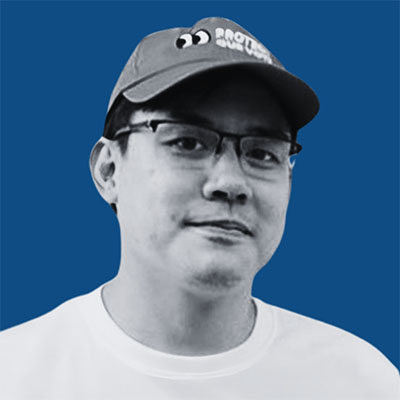
 CIVICUS speaks about the 14 Mayelection in Thailand with Yingcheep Atchanont, executive director ofInternet Law Reform Dialogue (iLaw).
Founded in 2009, iLaw is a civil society organisation (CSO) that campaigns for democracy, freedom of expression and a fair and accountable justice system in Thailand. Alongside Amnesty International Thailand, in 2020 iLaw developed the websiteMob Data Thailand that compiles protest data and jointly with other groups it exposed the use ofPegasus spyware against prominent leaders of Thailand’s pro-democracy protests.
-
TUNISIA: ‘Civil society is not yet under direct threat, but we believe that our turn is coming’
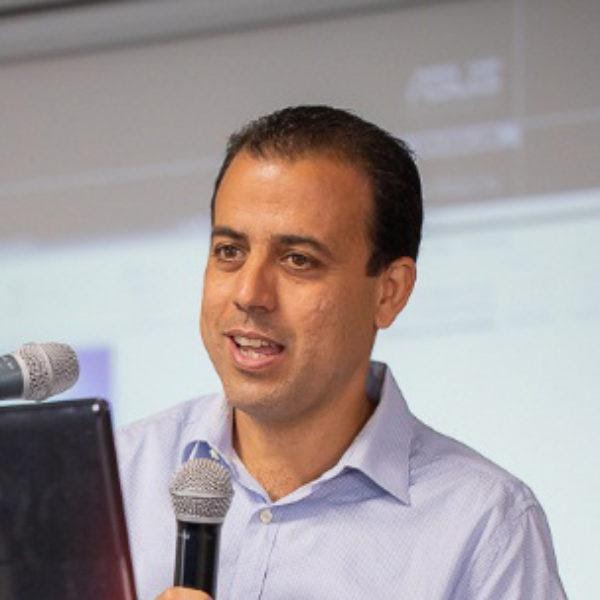 CIVICUS speaks about the prospects for democracy in Tunisia following the president’s July 2021 power grab with Amine Ghali, director of Al Kawakibi Democracy Transition Center (KADEM). KADEM is a civil society organisation (CSO) aimed at promoting civil society’s contribution to democracy and transitional justice in Tunisia and the wider region, through awareness-raising, capacity-strengthening and documentation.
 -
TUNISIA: ‘The new constitution will guarantee the president extensive powers, enabling further violations’
CIVICUS speaks about Tunisia’s 25 July constitutional referendum with Amine Ghali, director of Al Kawakibi Democracy Transition Center (KADEM).
KADEM is a civil society organisation (CSO) that aims to promote civil society’s contribution to democracy and transitional justice in Tunisia and the wider Middle East and North Africa region, through awareness-raising, capacity-building and documentation.
Why is President Kais Saied holding a constitutional referendum on 25 July?
Changing the constitution or revising it is part of the president’s private project – a plan he didn’t announce either when running for the presidency in 2019 or during his first two years in office. This all started with President Saied dismissing the prime minister and suspending parliament in July 2021.
At that time, he didn’t even announce the revision of the constitution. It was only in mid-December that the president had to spell out a roadmap under international and local pressure. At the heart of Saied’s roadmap is a new constitution.
Unlike the 2014 constitution, which was based on broad consensus, the process leading to a constitutional referendum didn’t gain public support. When people were asked their opinion on revising the constitution, as part of online consultation organised in early 2022, only around 30 per cent of respondents agreed. Still, the president has gone ahead with the constitutional review process, with a referendum campaign asking Tunisians to vote ‘yes’ to ‘correct the course of the revolution’.
To what extent has civil society engaged in the process leading to the upcoming referendum?
Civil society has gone through unprecedented times in recent months. When it comes to its stance on the issue, in broad terms civil society has mostly been either silent or supportive.
At the start of the president’s July 2021 power grab, some civil society activists who were fed up with problems we have encountered in the past few years, with an inefficient democracy, saw Saied’s move as a political attempt to correct the trajectory of our democracy. One of Saied’s early promises was to fight corruption and bad governance.
But as soon as the president revealed his intention to change the constitution, political parties, influential people and some civil society groups started to oppose him.
Civil society is not one group or in one position – of course there is some diversity. The most vocal and influential groups are critical of him, especially since the planned new constitution was shared with the public; they realised its aim is not to ‘restore democracy’, but rather attack it. Now many are trying to stop the referendum process happening.
How has civil society organised against the referendum?
Although civil society’s response is late, they have recently used a range of means to oppose the referendum. Coalitions have been built, civil society has published position papers, conferences have been held.
Some groups are calling for a boycott of the referendum while others are trying to bring a case to court, although they do so in the face of presidential attack on justice: in June the president fired 57 judges, accusing them of corruption and protecting ‘terrorists’. In protest against judicial interference, Tunisian judges went on strike, only returning to work very recently.
The Tunisian League of Human Rights, a prominent CSO, has called on the president to withdraw his proposal and instead enter a wider dialogue with Tunisian society.
How free and fair might the referendum be?
When democratic transition took place in 2011 our country strived to create independent institutions such as the electoral commission and an anti-corruption body, among others. The proposed constitution dissolved almost all these independent bodies.
The only one it keeps is the electoral commission, which President Saied seized control of in May by firing its members and appointing new ones. In February he dissolved the High Judicial Council, as well as sacking the judges in June.
Given that context, the independence of this ‘independent commission’ running the referendum, and the integrity of the whole election, must be questioned.
What are your expectations for the results, and what impact will they have on the quality of democracy?
By examining the latest polls on President Saied’s approval ratings, he still has huge public support. But this is the result of his populism. He is a populist president and populism – at least in its early years – has many supporters. But once a populist president fails to deliver on their promises, they lose popularity and support. In Tunisia, we are still going through the early stages of populism.
Despite his popularity, I believe that his upcoming referendum will have a very low participation rate. With a small turnout, the legitimacy of the result will be questioned.
But the president and his regime don’t care about legitimacy. For example, when the national consultation took place months ago, it was a complete failure in terms of the participation rate. Yet President Saied used it as a justification to hold this referendum.
If the referendum is approved, it will be followed by parliamentary elections in December, according to his roadmap; parliament was dissolved in April. Meanwhile, there will probably be several ‘reforms’ and new laws. I am afraid to say that the next phase is quite scary because the president has the ultimate power to change laws without any checks and balances, in the absence of an independent judiciary, constitutional court and parliament.
Democracy means the separation of powers, checks and balances, and participation, but all of these have been cancelled by the president since July 2021. He has tightened his grip over the entire executive body, the entire legislative body, and even part of the judiciary. With an attack on the judiciary, we can count less on judges to be the ultimate defenders of rights and freedoms. Our democracy is probably at its worst level since the 2010 revolution that ousted autocrat Zine al-Abidine Ben Ali.
The human rights situation is worsening with the decline of democracy. We have witnessed several human rights violations, some of which reminded us of the kind of abuses that were committed during the early years of the revolution. The difference between that time and now is the absence of any accountability. The president hasn’t been held accountable for any decision he has made during the last year.
From our side, civil society has condemned these violations, but it was not enough, so we have been trying to network with various defenders of democracy in Tunisia as well as abroad. In the next phase, civil society will continue its pressure and mobilise against any deviations from democracy, given that the new constitution will guarantee the president extensive powers and open the doors for further violations.
How has the international community responded?
We feel the international community has left Tunisia behind. The international community is offering a very weak response to this attack on democracy and the loss of a democratic country. The community of democratic countries is not putting in much effort to keep Tunisia within its family.
Many of us are very disappointed by their reactions to the closure of parliament and what followed. The result is a very bad draft constitution that will probably cancel Tunisia’s democracy. But there has been no solid response from democratic friends of Tunisia.
In this way, they encourage the president to commit more violations. These countries are back to their policies of the past decades in prioritising security and stability over democracy and human rights in our region.
Civic space in Tunisia is rated ‘obstructed’ by theCIVICUS Monitor.
Get in touch with KADEM through itswebsite or itsFacebook page. -
TURKEY: ‘It is just not possible to respond to such a large-scale disaster effectively without civil society’
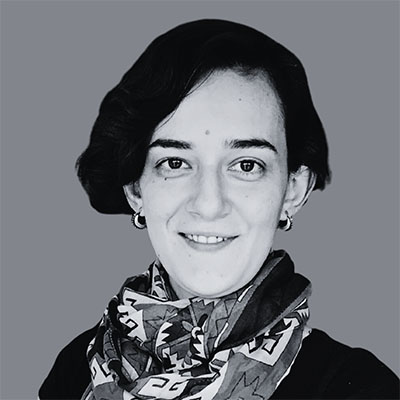
 CIVICUS speaks with Gözde Kazaz, Communications Officer at Support to Life, about the way Turkish civil society has responded to the recent earthquakes and the support it needs to provide an effective emergency response.
Support to Life is an independent humanitarian civil society organisation (CSO) that helps disaster-affected communities meet their basic needs and advance their rights by providing emergency assistance, refugee support, child protection and capacity building. Founded in 2005, it adheres to the principles of humanity, impartiality, neutrality, independence and accountability in delivering aid.
What damage have the recent earthquakes caused, and what has been the Turkish government’s response?
The recent earthquakes affected 11 Turkish cities encompassing nearly 15 million people. This means the disaster affected roughly one in five people in Turkey. As of today, causalities have surpassed 44,000.
In a disaster of such magnitude, public institutions had a problem in meeting needs and establishing coordination among the various state agencies involved. This was particularly the case in the first 72 hours, when search and rescue efforts are of the most vital importance. One of the reasons for this may be that infrastructure in the region was badly damaged and communication lines were cut off. The sites and staff of public institutions were themselves also affected. We are currently seeing some improvements in coordination, but meeting the emerging needs in this vast disaster area is still very difficult. It is of great importance that the state, private sector and civil society work together on the basis of a healthy division of labour.
How has civil society responded?
Many CSOs that have useful expertise and work on disasters, Support to Life included, came together to form the Turkish Local NGO Humanitarian Forum (TIF) to coordinate delivery of aid and help meet the enormous needs we see in the field. Dividing responsibilities for various response areas according to each one’s expertise was an effective way to avoid duplication and deploy resources effectively.
In addition, another coalition, the Disaster Platform, is active in the response. It is just not possible to respond to such a large-scale disaster effectively without civil society, and particularly without grassroots organisations active at the local level.
Responding to disasters is one of the main things Support to Life does, so our emergency aid teams arrived in Hatay, one of the most affected provinces, right after the earthquakes hit on 6 February. We immediately deployed a humanitarian aid operation in the cities of Adana, Diyarbakır, Şanlıurfa, and particularly in Hatay. Soon after, we expanded towards Adıyaman and Kahramanmaraş.
We worked with partners to conduct needs assessments in affected areas, which we continue to carry out on an ongoing basis in order to monitor the response. Since the outset, the Greenpeace Mediterranean and Amnesty International call centre teams were particularly helpful in enabling the general due diligence and rapid needs assessment required in disaster-affected rural areas.
We have focused much of our efforts on WASH – water, sanitation and hygiene – by working to establish water and sanitation infrastructure in temporary shelters. We have also prioritised shelter, food security and the provision of mental health and psychosocial support.
What reception have you had from the government?
As a CSO working in the field, we have not encountered any government-imposed restriction. We have permission from the Ministry of Family and Social Services to deliver mental health and psychosocial support services in the disaster area. We provide WASH services in tent areas established and maintained by the Ministry of the Interior’s Disaster and Emergency Management Authority. We participate in coordination meetings with local authorities. In other words, we have a collaborative relationship and we at least have not faced any obstacles when doing our work.
What role is international solidarity and support playing in responding to the emergency?
This disaster once again showed the importance of international solidarity and international support channelled through both government and civil society. Responding to a disaster of this magnitude is only possible if there is a great deal of international solidarity that translates into resources.
Ten days after the earthquake, the United Nations (UN) Office for the Coordination of Humanitarian Affairs (OCHA) launched a three-monthflash appeal for US$1 billion for Turkey, aimed at supporting the government-led response and enabling humanitarian agencies to help more than five million people affected by the disaster. As of 27 February, barely seven per cent of the US$1 billion of the flash appeal, roughly US$73 million, has materialised.
TIF formed immediately after the UN appeal and has since played an important role in coordinating civil society humanitarian efforts and helping local CSOs access resources, including by engaging with the OCHA system. Support to Life regularly attends strategic meetings under the coordination of OCHA, representing TIF.
But three weeks on from the earthquake, serious humanitarian needs remain in the most severely affected areas, especially emergency shelter, WASH, food and non-food items such as plastic sheeting, cooking sets, blankets, jerry cans, sleeping mats and sanitary items.
What further support do Turkish CSOs need to keep doing this work?
What Turkish CSOs working to respond to the disaster need right now is as much financial support as they can get.
Humanitarian CSOs working in the field, Support to Life included, have noted that this is not a one-off or short-term but a continuous, long-term situation. We need to think about recovery, which will require lots of resources. This means a lot more financial support will be needed.
As an independent humanitarian CSO, Support to Life carries out its operations with funding that comes mostly from international donors such as UN agencies including UNICEF – the UN Children’s Fund – and UNHCR – the UN Refugee Agency – and theDirectorate-General for European Civil Protection and Humanitarian Aid Operations, the Danish Refugee Council, Diakonie Katastrophenhilfe – a German faith-based humanitarian assistance agency – Save The Children and Terre des Hommes, among others. We are working with our donors to revise our ongoing projects so that we can redirect resources towards disaster response.
Civic space in Turkey is rated ‘repressed’ by the CIVICUS Monitor.
Get in touch with Support to Life through itswebsite,Instagram orFacebook page, and follow@Support2Life on Twitter.
-
USA: ‘The framers of the constitution envisioned an accountable president, not a king above the law’
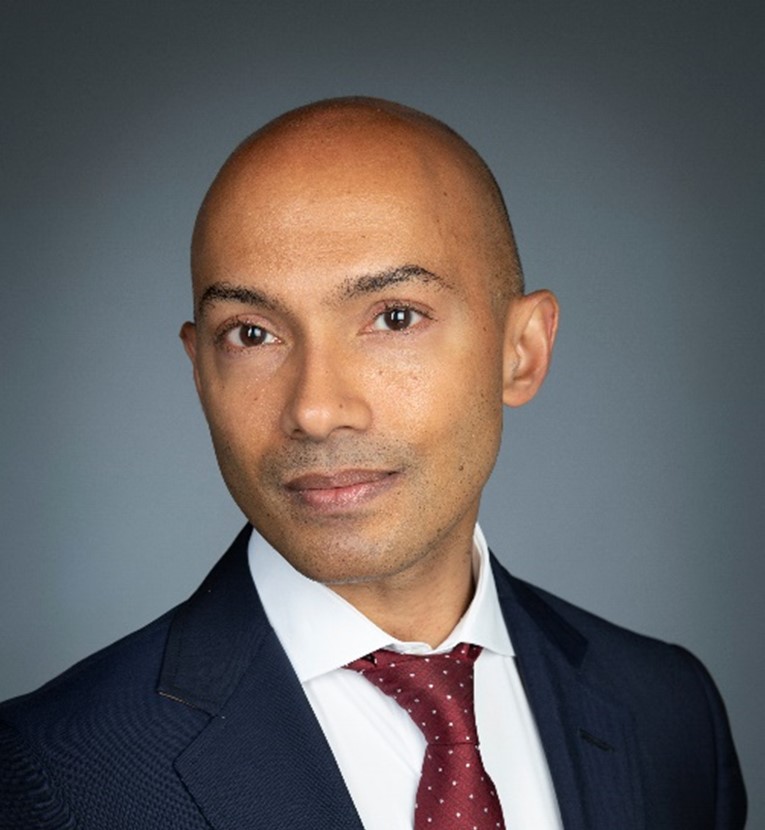
 CIVICUS discusses the recent US Supreme Court ruling on presidential immunity and its potential impact on the 5 November presidential election with Praveen Fernandes, Vice President at the Constitutional Accountability Center, a US think tank and public interest litigation organisation dedicated to studying and applying the constitution’s text, history and values.
On 1 July, the US Supreme Courtruled that presidents have absolute immunity for the exercise of their core constitutional powers and are entitled to a presumption of immunity for other official acts, although they don’t enjoy immunity for unofficial acts. The decision comes as Donald Trump faces criminal charges for trying to overturn his 2020 election loss to Joe Biden. The question now is whether Trump’s actions will be considered official or unofficial. But it’s unlikely he’ll be tried before the election, and if he returns as president he could pardon himself. Critics claim the Supreme Court ruling violates the spirit of the US Constitution by placing the president above the law.
What has the Supreme Court said about presidential immunity?
In Trump v. United States, the Supreme Court’s conservative majority ruled that a former president can be granted a measure of immunity from criminal prosecution for acts committed while in office.
The majority opinion held that there is absolute immunity from prosecution for acts within the president’s ‘exclusive and preclusive authority’ – powers the constitution specifically assigns to the president and no other branch of government. There is a presumption of immunity for official acts that are part of a president’s duties, although this can be rebutted if the government can show that prosecution would not threaten the powers and functions of the executive branch. There is no immunity for unofficial acts.
As the dissenting opinions make clear, the court’s doctrine of presidential immunity departs not only from the text and history of the constitution, but also from the court’s own precedent.
How does this ruling affect the criminal charges against Trump?
While it’s impossible to know with certainty how this Supreme Court decision will affect all of the pending criminal cases against Trump, what we do know is that it will cause additional delays in prosecutions that have already been delayed far too long.
For instance, the federal criminal case related to the 6 January 2021 attempted overturning of the 2020 election was paused for over 200 days until the Supreme Court issued its decision. Now the district court has to deal with issues such as which alleged crimes involve unofficial acts and can therefore be prosecuted.
However, it is highly unlikely that the federal trial will reach a verdict before the presidential election in November. As a result, voters will likely be forced to cast their ballots without knowing whether one of the candidates is criminally responsible for attempting to overturn the results of the last election.
Do you think this ruling could allow for an unfettered second Trump presidency?
The danger seems great in a possible future Trump presidency where the fear of prosecution has been largely removed. But this goes far beyond Trump – it’s a danger that extends to anyone who holds such a powerful role without being held accountable to the same criminal laws that bind all other individuals.
But there are still safeguards. Prosecutors can still pursue crimes related to unofficial acts, and there are still political accountability mechanisms, such as the ability to impeach a president for high crimes and misdemeanours by a vote in the House of Representatives and conviction in a trial in the Senate.
What are the broader implications of this ruling for US democracy?
The conservative majority opinion in Trump v. United States challenges the accountability envisioned by the framers of the constitution and moves the nation closer to the monarchical systems they sought to avoid. The framers envisioned a president accountable to the governed, not a king above the law.
Immunising such a powerful position in the federal government from criminal accountability poses a significant risk and should be sobering to all Americans.
This ruling is the latest reminder that even when the constitution is clear, we depend on judges to interpret it fairly. Judicial nominations matter. Electing presidents who will nominate fair and principled judges is important. Electing senators who will rigorously scrutinise those nominations is important. Let’s not forget that.
Civic space in the USA is rated ‘narrowed’ by theCIVICUS Monitor.
Get in touch with the Constitutional Accountability Center through itswebsite and follow@MyConstitution on Twitter.
-
USA: ‘The stakes in the 2024 election are incredibly high for the fate of US democracy’
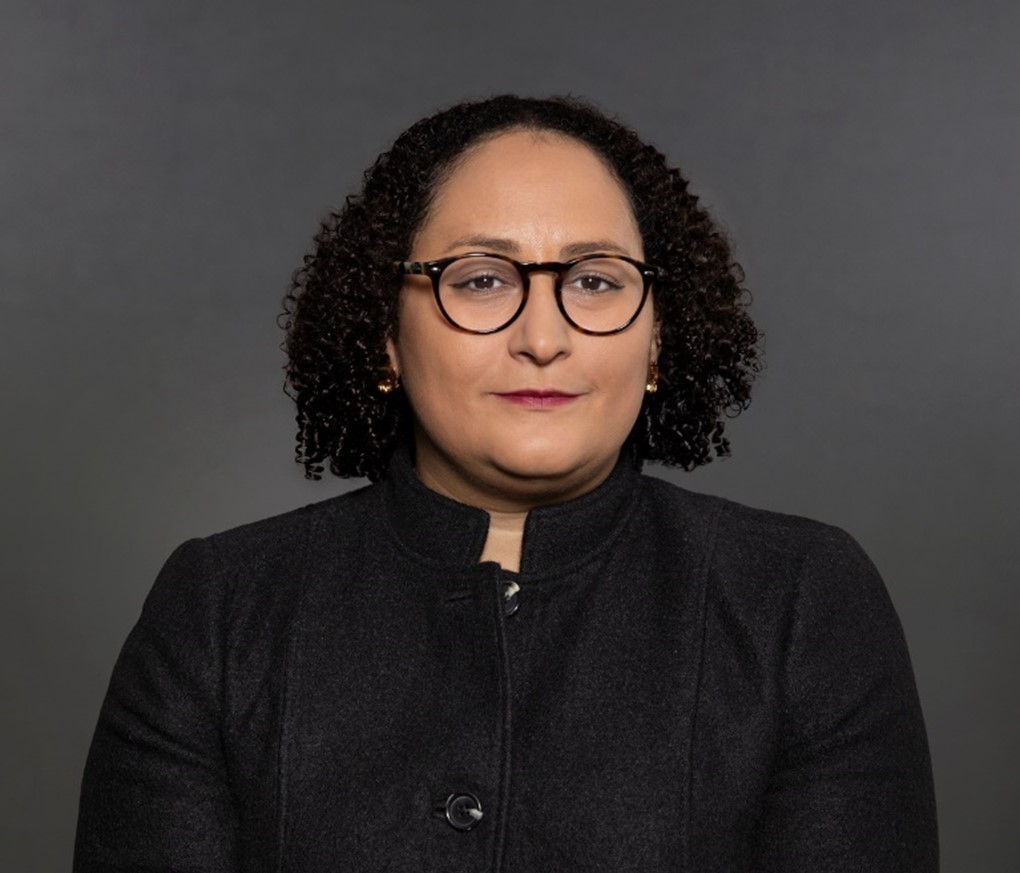
 CIVICUS discusses the recent US Supreme Court ruling on presidential immunity and its potential impact on the 5 November presidential election with Ciara Torres-Spelliscy, a professor of Law at Stetson University College of Law.
On 1 July, the US Supreme Courtruled that presidents have absolute immunity for the exercise of their core constitutional powers and are entitled to a presumption of immunity for other official acts, although they don't enjoy immunity for unofficial acts. The decision comes as Donald Trump faces criminal charges for trying to overturn his 2020 election loss to Joe Biden. The question now is whether Trump's actions will be considered official or unofficial. But it's unlikely he'll be tried before the election, and if he returns as president he could pardon himself. Critics claim the Supreme Court ruling violates the spirit of the US Constitution by placing the president above the law.
What are the main points of theSupreme Court ruling on presidential immunity?
This is a ruling in the federal case against Trump for trying to overturn his loss to Biden in the 2020 election. He is accused of pressuring state officials to overturn the results, spreading lies about voter fraud and using the Capitol riot of 6 January 2021 to delay Biden’s certification and stay in power. Trump pleaded not guilty and asked the US Supreme Court to dismiss the entire case, arguing that he was acting in his role as president and was therefore immune from prosecution.
The Supreme Court didn’t do that, but instead created three new categories of presidential immunity: complete immunity for official acts involving core constitutional powers, potential immunity for acts within the ‘outer perimeter’ of official duties and no immunity for private, unofficial acts.
The key question now is whether Trump’s actions will be deemed official, giving him immunity, or unofficial, leaving him open to prosecution. This is the first case of its kind, as Trump is the first American president to be prosecuted.
How does this ruling affect Trump's other criminal cases?
This immunity ruling is likely to delay all four of his criminal cases, as judges will have to apply these new rules and drop any charges that involve the use of core presidential powers, as these can no longer be used as evidence against him.
As well as being accused of trying to overturn his 2020 defeat, Trump is also accused of paying adult film actress Stormy Daniels hush money during the 2016 election and not properly accounting for it in his business records. This case is unlikely to be affected by the ruling, as his actions don't involve either core or peripheral presidential powers. Judge Merchan will have to decide whether any of his 34 felony business fraud convictions will stand or be thrown out.
But some of his other crimes occurred during his time in the Oval Office. Trump is accused of conspiring to overturn his 2020 loss in Georgia by asking the state's top election official to ‘find 11,780 votes’. Trump has pleaded not guilty and could be prosecuted in his personal capacity, as presidents have no role in administering US elections. As in the Capitol case, this was a private action he took as a candidate and it would be difficult to fit into the category of presidential immunity.
The fourth case Trump faces is the Mar-a-Lago classified documents case. Trump is accused of mishandling classified documents by taking them to his Mar-a-Lago residence after leaving office and refusing to return them to the National Archives when he could no longer lawfully possess them. As his alleged crimes took place when he was no longer president, this case shouldn’t be affected by the immunity ruling. However, he could argue he possessed the documents while in office and ask that his case be treated differently from other defendants. This case was dismissed by Judge Cannon. However, the Mar-a-Lago criminal case could come back to life if the 11th Circuit reverses her dismissal.
What are the broader implications of this case for the presidential election?
After this decision, the American public should think about the consequences of who they elect as president, because the presidency can become a wellspring of crime.
An honest president wouldn't be affected by the Trump v. US decision, because an honest person doesn’t need criminal immunity. Only time will tell whether the Supreme Court has invited future presidents to go on a crime spree. But what is certain is that only US voters can keep criminals out of the White House. So, as I write in my new book, Corporatocracy, the stakes in the 2024 election are incredibly high for the fate of US democracy.
Civic space in the USA is rated ‘narrowed’ by theCIVICUS Monitor.
Get in touch with Ciara Torres-Spelliscy through herLinkedIn page and follow@ProfCiara on Twitter and Bluesky.
-
VENEZUELA: ‘We need a multilateral, flexible and creative approach from the international community’
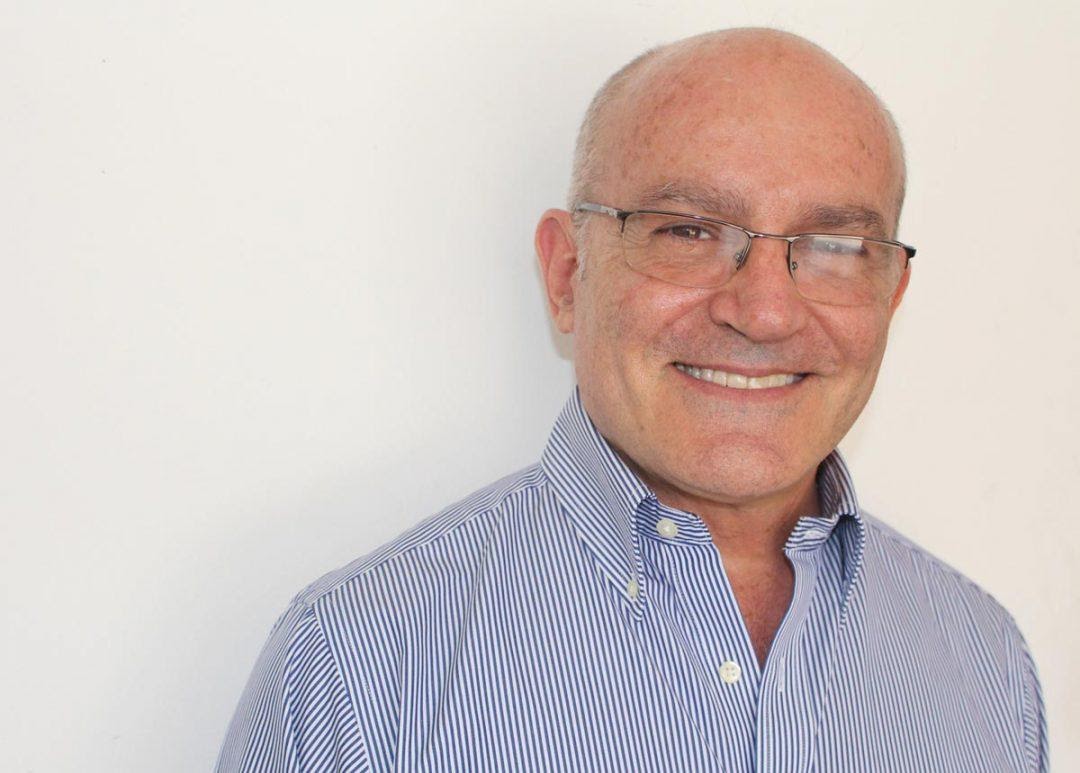
CIVICUS speaks with Feliciano Reyna, founder and president of Acción Solidaria, a Venezuelan civil society organisation (CSO) established in 1995 with the mission to contribute to reducing the social impact of the HIV epidemic. As a result of the multiple crises facing Venezuela, Acción Solidaria has expanded its scope of action and provides medicines and medical supplies to wider vulnerable populations.
How has the current crisis come about in Venezuela?
A process of dismantling the rule of law has taken place over several years and is still ongoing. The judiciary has long ceased to be independent and now operates according to the interests of the government. Added to this is a high level of corruption. Many documents and reports, such as a recent one by the United Nations (UN) Independent International Fact-Finding Mission on Venezuela, describe how a non-independent justice structure was put in place, taking advantage of the opacity of public data and discretionary state management.
As a result, many people, acting in their own interest, destroyed the economic and productive apparatus. Nowadays the Venezuelan economy is 20 per cent of the size it was in 2013. This has impacted on poverty levels, the quality of public services and the resulting lack of protection.
An initial period of enormous income, lasting many years, allowed for a great waste of wealth, with resources reaching the major groups that supported Hugo Chávez’s government, from 2005 to 2013. But money was just spent on individual benefits, not invested in public services. Thus, little by little, the public sector was left in a state of total abandonment: hospitals, roads, lighting, electrical system, water distribution. Everything is pretty much destroyed. There are about four million people who cook with firewood or charcoal because they don’t receive gas. Where I live, we get water once a week for 24 hours, and sometimes we don’t get water for two or three weeks.
There was a major shift in the global economy, with a sharp drop in oil prices coinciding with Chávez’s last days in office. When Nicolás Maduro took power in 2013, the fragility of a regime largely based on Chávez’s personality was exposed. Maduro’s victory triggered political protests because his mandate was questioned, and very harsh repressive practices were adopted in response. The situation has deteriorated ever since, leading to the current human rights crisis. CSOs have documented arbitrary detentions, torture and cruel treatment under detention. There has been a sustained attack on dissent and political opponents. Anyone in a position of power who is viewed as a political threat is taken out of play.
The years between 2014 and 2016 were terrible. In addition to human rights violations, there was widespread harm caused to the population in terms of health, nutrition, access to water, education and other rights. As the economy deteriorated, there began to be many social protests, not for political reasons but regarding income, lack of resources, power cuts, lack of transportation and public services, and so on. With two major exceptions – the 2017 and 2019 protest waves, in which people expressed political grievances – the vast majority of protests have been social protests, not ideological ones, through which many people who ultimately supported and voted for the government expressed their discontent.
While the attack on opposition and dissent has driven many into exile, economic shortages have led to a massive emigration wave. More than four million Venezuelans have emigrated, including many professionals, teachers and doctors, further weakening service delivery systems.
What is the context in which civil society works?
There state has been greatly weakened and is unable to control all the territory under its jurisdiction, so it has handed over control to other groups. Power is increasingly in the hands of local parastate actors who enjoy small bubbles of well-being within the context of immense poverty in which the vast majority of the population lives.
Because of the weakening of the state and the deterioration of the oil industry, which has always been the main source of national income, the government has opened some spaces for a freer economy. That means that in order to serve the populations we work with, we have been able to import medicines and supplies thanks to international cooperation. Our international donors send us supplies or pay for transportation so that we can receive them, using a door-to-door delivery system.
Since 2017 Acción Solidaria has brought in almost 240 tons of aid. We have grown from nine staff in 2016 to 40 in 2021. Every week about 120 people come to the offices of Acción Solidaria to seek medicine. Most of them are women and people with very little resources, over 55 years old. The things they need may be available in the parallel economy, but at prices they can’t afford.
But the environment for civil society remains a high-risk one. Last year we experienced a raid by the Special Action Forces, the most fearsome command of the Bolivarian National Police. What they did to us was not an official operation but a criminal action. CSOs doing human rights advocacy are criminalised, and CSOs conducting humanitarian action face serious problems of access and are subject to extortion by these autonomised groups and paramilitary actors. We have become targets not because we are opponents or dissidents, but because we have coveted resources.
One colleague of ours was imprisoned 160 days ago and five comrades from an organisation that works alongside the UN Refugee Agency were imprisoned for a month in a military facility.
As the electoral process was underway, the government’s information networks among the population seemed to have become aware that government programmes – which transfer the equivalent of about US$4 a month to their beneficiaries – could not compete with the nearly US$60 that humanitarian organisations were transferring to people in their target populations, without demanding anything in return, simply as part of the humanitarian response. So they immediately stepped in and suspended the 38 humanitarian aid programmes that were making cash transfers.
Following the elections, the transfer ecosystem has started to begin again, but so far only transfers from the Food and Agriculture Organization and UNICEF have been reactivated.
How much popular support does the Maduro government have left? Did it have enough to win the November regional elections, or did it resort to fraud?
In November 2021, regional elections were held to renew all executive and legislative seats in the country’s 23 federal entities and 335 municipalities. The official turnout was just over 40 per cent, and the government won 19 governorships, compared to four won by the opposition. The government also won 213 mayorships, but various opposition groups won 121, a not insignificant number.
The conditions of electoral competition were set up well before the selection of candidates, the campaigns and the voting took place, as new members to the National Electoral Council (CNE) were appointed. The CSO Foro Cívico had proposed names of independent candidates for the CNE: people with a strong electoral background who could build a bridge of dialogue with the people in government who wanted a less authoritarian rule. This resulted in a more balanced CNE, with one independent rector and one from the opposition among the five full members, and three out of five alternates proposed by civil society. This allowed us to expect an election with greater legitimacy than previous ones.
The electoral process was very tense. While there was no fraud in the sense that voting figures were changed, there was a lot of pressure and obstacles to prevent opposition supporters from voting. Leading opposition politicians were disqualified and unable to stand as candidates. The conditions in voting centres, including schedules, were altered for the government’s benefit, and many people were brought out to vote, despite the fact that the government no longer has the same mobilisation capacity as in previous elections. Turnout was low for several reasons: because millions of people have emigrated, and because many popular opposition figures were not taking part in the election.
The opposition also bore a great deal of responsibility for this, because it viewed the elections with a lot of suspicion. Many of its key spokespeople were opposed to participating, and it did not reach the kind of broad agreements that would have allowed it to win as many as 10 or 12 governorships. In part, its growth was limited not just by the obstacles imposed by the government, but also by its own inability to reach an agreement.
Still, it is important to emphasise that the playing field was not level. The opposition could have won more governorships than it did, but there was a clear limit to this. This was seen in Hugo Chávez’s home state of Barinas, which the government could not afford to lose to the opposition. An opposition candidate clearly won there, so after the fact the Supreme Court ruled that the winning candidate did not actually meet the conditions to be eligible to compete, and ordered a rerun.
Faced with these limitations, which were foreseeable, there was a part of the opposition that from the beginning opposed participating in the elections and left the way open for many pro-government victories that might not otherwise have taken place.
How consolidated is the Maduro regime, and what are the chances that a democratic transition can take place?
A democratic transition does not seem to be an option in the short term. The opposition is very diverse and is dispersed both programmatically and in terms of its institutional approach, so it is questionable whether it would be able to govern if it had the opportunity right now.
What lies ahead of us is a long trek through the desert. The government suffers from many weaknesses, but it has the support of China, Iran, Russia, Turkey, and a lot of political support from Cuba and other countries in the region, as is apparent in the UN Human Rights Council. Maduro’s government has adopted a deft approach in the image of these supportive states: despite corruption and lack of transparency, it has allowed an opening in the economy while keeping its repressive behaviour intact.
The international support that the government receives is important and has been systematically underestimated, while the support received by the interim government led by Juan Guaidó has been overestimated. It has been said that he has the USA and 60 other countries on his side, but those who support him with real actions are in fact much fewer.
For many in the opposition, the interim government has itself been a big problem, partly because it became associated with the Donald Trump administration, and partly because since the interim government was established what it did became the only thing that mattered, and the space of the National Assembly, which had enjoyed broad popular support, was abandoned.
The interim government was prompted on the basis of Article 233 of the Venezuelan Constitution. Since by virtue of his fraudulent re-election in 2018 Maduro was not recognised by the opposition as a legitimate president, the opposition-dominated National Assembly proclaimed its president, who at the time was Juan Guaidó, as interim president of Venezuela. I think that the opposition should have continued to work through the National Assembly, an elected and legitimate body whose presidency alternated between the parties with the most votes. Evidence of corruption could have been collected and mechanisms sought to protect the country’s assets with the help of the international community.
Instead, the opposition named itself as a legitimate government without having any control over internal processes. And when it took over, it set out expedited conditions and deadlines, demanding that Maduro should first leave office so that the interim government could constitute itself as a transitional government and organise free elections.
The choice of the opposition to proclaim an interim government was the result of it underestimating the government’s forces and overestimating its own. When expectations were not met, as was bound to happen, disaffection with the interim government began to grow. There is still an enormous desire for change, because things remain bad for the vast majority of the population, but the hope that this change would be achieved through the interim government has faded.
What kind of support should the international community provide to facilitate a democratic transition?
What we would like to see from the international community is a multilateral, flexible and creative approach. The change of administration in the USA has been extremely important because the approach of the Trump administration was unilateral and overbearing. Fortunately, the Biden administration appears to adhere to a multilateral approach and to include Europe, Canada and other countries in our region.
Regarding Europe, it was very important that the European Union sent an election observation mission for the 21 November elections, as it was for the UN and the Carter Center to send their election experts. The UN also has essential contributions to make in humanitarian and human rights matters, both in terms of mobilising resources to address the humanitarian emergency in the country and to support migrants and refugees across the region, as well as with regard to the human rights violations that continue to occur.
The international community must listen to civil society and pay attention to the grievances of the people who are directly affected by the measures that external actors take in relation to Venezuela. Many of the sanctions that have been imposed on the government, such as the US secondary sanction that penalises the exchange of oil for diesel, end up not affecting the government, which has alternative courses of action, and instead harm users and consumers, ordinary people whose already complicated lives are complicated even further.
If this part of Venezuelan society were listened to, it would be possible to think of alternative policies to generate spaces for negotiation and agreements that would allow us to return to the path of democracy and human rights in a non-violent manner.
Civic space in Venezuela is rated as ‘repressed’ by theCIVICUS Monitor.
Get in touch with Acción Solidaria through itswebsite or itsFacebook andInstagram pages, and follow@AccionSolidaria and@fjreyna onTwitter. -
You will agree: escalating repression

By Mandeep Tiwana
Mandeep Tiwana sorts through the many cloaks of authoritarianism donned by the political class as repression becomes the rule rather than the exception.
Read on: New Internationalist
Página 2 de 2
- 1
- 2