
United Nations
-
Côte d'Ivoire: des activistes sont arrêtés, et des préoccupations existent en amont des élections de 2020

Conseil des droits de l'homme des Nations Unies
Déclaration orale: Adoption du rapport EPU de la République de Côte d’IvoireMr le Président, CIVICUS accueille l’engagement pris par le gouvernement de la Côte d’Ivoire dans le processus de l’EPU. Nous saluons également des avances dans l'environnement pour les OSC et les DDH depuis la fin du conflit qui a englouti le pays de 1999 à 2011, notamment l’adoption, en février 2017, du décret d’application de la Loi pour la promotion et la protection des défenseurs des droits de l’homme.
Cependant, dans notre soumission conjointe à l'EPU, nous avons documenté que, depuis son dernier examen, le gouvernement de Côte d’Ivoire n’a pas mis en œuvre la plupart des recommandations relatives à l‘espace civique.
Un an avant les élections présidentielle d’octobre 2020, il y a des préoccupations sur une intolérance croissante à l'égard des voix dissidentes, notamment des menaces, des attaques et des arrestations arbitraires des activistes de la société civile, blogueurs et syndicalistes. Le 23 juillet 2019, six membres de la coalition de la société civile "Les Indignés" ont été arrêtés arbitrairement devant les locaux de la commission électorale alors qu'ils se rendaient à une réunion à la suite du report d'un rassemblement pacifique. Aristide Ozoukou de la Coordination des élèves et des étudiants de Côte d’Ivoire (COEE CI) a été arrêté le 9 février 2019 après avoir publié un message sur Facebook invitant les étudiants à rester chez eux à la suite d’une grève des enseignants. Le blogueur et activiste en ligne Soro Tangboho a été condamné, en appel, à deux ans de prison pour «troubles à l’ordre public» et «incitation à la xénophobie». Selon l'activiste, il aurait été arrêté le 8 novembre 2018 alors qu'il diffusait une vidéo, en direct sur Facebook, des policiers en train d’exhorter des automobilistes.
En plus, le droit à la liberté de la réunion pacifique a été parfois refusé, en particulier à l'opposition politique. Par exemple, une manifestation de l'opposition prévue le 5 août 2019 dans la ville de Sanguoine a été interdite par les autorités locales. En avril 2018, 18 manifestants ont été condamnés à 12 jours de prison et à une amende pour ‘trouble à l'ordre public’ pour avoir participé à une manifestation de l'opposition le 22 mars afin d'exiger la réforme de la Commission électorale indépendante.
Nous appelons le gouvernement à mener une enquête indépendante sur toutes les violations commises contre des journalistes, des défenseurs des droits de l'homme et des syndicalistes, et à traduire les auteurs de tels actes en justice, y compris pour les cambriolages aux bureaux des organisations des droits humains. CIVICUS reste également préoccupé par le coût élevé d’environ $US 10 pour l’obtention de Carte nationale d’Identité exigée pour l’enrôlement sur les listes électorales.
Monsieur le Président CIVICUS invite le gouvernement de Côte d’Ivoire à prendre des mesures proactives pour répondre à ces préoccupations et à mettre en œuvre les recommandations visant à créer et à maintenir, en droit et en pratique, un environnement favorable pour la société civile.
-
Côte d’Ivoire: Activists being arrested and concerns ahead of 2020 elections
42nd Session of the UN Human Rights Council
Statement during Adoption of the UPR report of the Republic of Côte d’IvoireMr President, CIVICUS welcomes the government of Côte d’Ivoire’s engagement with the UPR process. We also welcome improvements in the environment for CSOs and HRDs since the end of the conflict that engulfed the country from 1999 to 2011, in particular the adoption, in February 2017, of the Decree implementing the Law on the Protection of Human Rights Defenders.
However, in our joint UPR submission, we documented that, since its last review, the government of Côte d’Ivoire has not implemented most of the recommendations on civic space.
One year before the presidential elections in October 2020, there are concerns of increasing intolerance towards dissenting voices, in particular threats, attacks and arbitrary arrests of civil society activists, bloggers and trade unionists. On 23 July 2019, six members of civil society coalition ‘Les Indignés’ were arbitrarily arrested in front of the offices of the Electoral Commission. Aristide Ozoukou of the Coordination of Students of Côte d’Ivoire was arrested on 9 February 2019 after making a Facebook post in which he called for students to stay at home following a strike of teachers. Online activist Soro Tangboho was sentenced, in appeal, to a prison sentence of two years for « disturbing public order » and « incitement to xenophobia ».According to the activist, he was arrested on 8 November 2018 while livestreaming a video on Facebook of police officers racketeering car drivers.
Additionally, the right to freedom of peaceful assembly has at times been denied, particularly to the political opposition. An opposition protest, planned for 5 August 2019 in Sanguoine was banned by local authorities. In April 2018, 18 protesters were sentenced to 12 days in prison and a fine for ‘disturbance of public order’ for participating in an opposition protest, calling for a reform of the Independent Electoral Commission.
CIVICUS remains concerned about the high fee of 10 USD for citizens to obtain a National ID Card, which is required for enrolment on the electoral list.
We call upon the government to conduct independent investigations for all violations committed against journalists, human rights defenders, trade unionists and wider civil society, including break-ins into the offices of human rights organisations, and to bring perpetrators to justice.
Mr President, CIVICUS invites the Government of Côte d’Ivoire to take proactive measures to address these concerns and implement recommendations to create and maintain, in law and in practice, an enabling environment for civil society.
-
Countries of concern at the Human Rights Council
42nd Session of the UN Human Rights Council
Countries of concernCivic space restrictions often precede wider human rights abuses. In order to prevent further repression, we would like to draw the Council’s attention to the following:
Last year, several civil society organisations raised Tanzania’s worrying decline in respect for fundamental freedoms. Now, sweeping new legislation, rushed through its parliament in June, places new punitive restrictions on CSOs in the country. As the situation deteriorates further, the time left for the Council to take preventative action is running out.
In Honduras, the government’s violent response to peaceful protests have left at least three dead, including a 17-year-old student, and many more injured. Honduras has become one of the world’s most dangerous countries for human rights defenders facing constant violence, criminalization, and slander.
The past 40 days have seen severe restrictions to fundamental rights in Kashmir. Sweeping internet blackouts have had serious implications on freedom of expression and access to information. There have been reports of restrictions on movement and numerous ongoing arrests, including of activists, and we call on the Council to establish an independent international investigation into allegations of human rights violations.
We are concerned that elections in Kazakhstan were marred by serious restrictions to freedom of peaceful assembly and of expression. Crackdowns on protests related to the elections, and persecution of journalists, marked yet another regressive measure to silence dissent in Kazakhstan.
Finally, CIVICUS remains deeply concerned about the situation in Saudi Arabia. At the last Council Session, we joined other CSOs to call for a monitoring mechanism in Saudi Arabia. No action has been taken, women human rights defenders remain detained, the space for participation remains virtually non-existent, and investigations into the killing of Jamal Kashoggi remained shrouded in lack of transparency. It is past time for the Council to take action on Saudi Arabia and we reiterate calls on the Council to address human rights violations with the utmost urgency.
-
Country recommendations for UN Universal Periodic Review on Human Rights

All UN member states have their human rights records reviewed every 4.5 years. CIVICUS and partners make UN Universal Periodic Review submissions on civil society space in Australia, Lebanon, Mauritania, Myanmar, Nepal, Oman, and Rwanda
CIVICUS and its partners have made joint and stand-alone UN Universal Periodic Review (UPR) submissions on 7 countries in advance of the 37th UPR session (January 2021). The submissions examine the state of civil society in each country, including the promotion and protection of the rights to freedom of association, peaceful assembly and expression and the environment for human rights defenders. We further provide an assessment of the States’ domestic implementation of civic space recommendations received during the 2nd UPR cycle over 4 years ago and provide a number of targeted follow-up recommendations.
Australia –This submission raises alarm over the increasing criminalisation of climate and environmental movements and defenders, including Indigenous peoples, scientists, student strikers and environmental organisations, in the wake of Australia’s recent bushfires. It further discusses the unwarranted restrictions on media freedoms due, in large part, to an increase in police raids on independent media outlets. Moreover, its expresses concern over recent attempts to silence whistle-blowers who reveal government wrongdoing under the Intelligence Services Act.
Lebanon – In its submission CIVICUS, the Gulf Centre for Human Rights, International Media Support (IMS), Social Media Exchange (SMEX) examine how the government has persistently failed to address the brutal and violent dispersal of peaceful protests, the arrest and prosecution of journalists and protesters and restrictions on the activities of CSOs advocating for women’s and LGBTQI+ rights. It also discusses legal and extra-legal restrictions on the freedom of association and, in particular, the systematic targeting of associations and activities by the LGBTQI+ community. Moreover, it assesses the continued deterioration of the freedom of expression, as highlighted by the increase in judicial proceedings against media outlets critical of the authorities, threats to digital rights, raids and attacks by security forces and sometimes by members of the public on media outlets.
Mauritania (FR) – CIVICUS and Réseau Ouest-Africain des Défenseurs des Droits Humains/ West African Human Rights Defenders Network (ROADDH / WAHRDN) demonstrates that since its last review, the Government of Mauritania has not implemented any of the recommendations relating to civic space. Instead, civic space in Mauritania remains repressed, and civil society actors, especially those working on anti-slavery campaigns and seeking to end racial and ethnic discrimination are frequently targeted and intimidated by the state. Civil society actors face legal and practical barriers to exercising their rights to association and peacefully assembly, which is hampered by the 1964 Law on Associations and Law No. 73-008 on Public Assemblies.
Myanmar– The submission by CIVICUS, Free Expression Myanmar and Asia Democracy Network highlights the use of an array of unwarrantedly restrictive laws to arrest and prosecute human rights defenders, activists, journalists and government critics for the peaceful exercise of their freedoms of association and expression. It also documents the restrictions on peaceful protests in law and practice, the arbitrary arrest and prosecution of protesters and the use of excessive force and firearms to disperse protests against government policies and land disputes with businesses.
Nepal –CIVICUS and Freedom Forum examine howrepressive laws, including amendments made to Nepal’s criminal code, have been used to limit the work of independent CSOs and suppress the freedom of expression. The submission further discusses how the ongoing attacks against journalists and the suppression of peaceful assembly continues to undermine civil space in the country. An evaluation of a range of legal sources and human rights documentation addressed in this submission demonstrate that the Government of Nepal has not implemented any of the recommendations relating to civic space during its previous UPR examination.
Oman –The Omani Association for Human Rights, Gulf Centre for Human Rights and CIVICUS highlight the closure of civic space in Oman and the use of restrictive legislation to target human rights defenders, journalists and writers and civil society organisations. We outline concerns over the forced closure of human rights organisations, the shutting down of independent newspapers and the banning of books and other publications. Human rights defenders and journalists are often subjected to arbitrary arrests and judicial persecution for their reporting and human rights activities. Due to these restrictions, several human rights defenders and their families have fled into exile. Freedom of peaceful assembly is also severely restricted as provisions in the Penal Code are used to pre-empt and prevent protests and stop those that actually take place.
Rwanda –The submission byCIVICUS and DefendDefenders (EHAHRDP) outlines serious concerns related to the unabated repression of the work of human rights defenders, civil society activists and journalists. The submission explores how restrictions on the rights to freedom of peaceful assembly, association, expression and access to information have been codified and willfully misapplied under Law No. 68/2018 (on assembly), Law N0 04/12 (on association and activities of CSOs), and the Law on Prevention and Punishment of Cybercrimes (expression and access to information). The Submission makes a number of action-oriented recommendations in accordance with the rights enshrined in the Rwandan Constitution, the ICCPR, the UN Declaration on Human Rights Defenders and Human Rights Council resolutions 22/6, 27/5 and 27/31.
See all of our UPR submissions here.
Country civic space ratings from the CIVICUS Monitor:
Australia, Lebanon, Mauritania, Myanmar, Nepal, Oman, Rwanda
OPEN NARROWED OBSTRUCTED REPRESSED CLOSED -
Country recommendations on civic space for the UN´s Universal Periodic Review

CIVICUS and its partners have submitted joint and stand-alone UN Universal Periodic Review (UPR) submissions on 9 countries in advance of the 30th UPR session (May 2018). The submissions examine the state of civil society in each country, including the promotion and protection of the rights to freedom of association, assembly and expression and the environment for human rights defenders. We further provide an assessment of the States’ domestic implementation of civic space recommendations received during the 2nd UPR cycle over 4 years ago and provide a number of targeted follow-up recommendations. Countries examined include: Bangladesh, Burkina Faso, Cameroon, Colombia, Cuba, Djibouti, Russia, Turkmenistan and Uzbekistan:
Bangladesh (Individual/Joint): In this UPR, CIVICUS draws attention to a range of legislative restrictions which have been strengthened and imposed to curtail the operation of independent civic groups in Bangladesh. Of particular concern, are new restrictions on groups seeking funds from abroad, as well the repeated use of the penal code to arrest HRDs and place blanket bans on meetings and assemblies. We further examine the spate of extrajudicial killings against secular bloggers and LGBTI activists which is illustrative of Bangladesh’s downward spiral with respect to civic freedoms and systemic failure to protect civil society.
Burkina Faso (EN/FR): CIVICUS, the Burkinabé Coalition of Human Rights Defenders and the West African Human Right Defenders Network examine unwarranted limitations on freedom of expression and assembly. Despite several positive developments since the popular uprising of 2014, such as the decriminalisation of defamation and the adoption of a law on the protection of human right defenders, restrictions on the freedom of expression including suspensions of media outlets by the national media regulator and attacks and threats against journalists continue.
Cameroon: CIVICUS, Réseau des Défenseurs Droits Humains en Afrique Centrale (REDHAC) and the Centre for Human Rights and Democracy in Africa (CHRDA) highlight Cameroon’s fulfilment of the right to association, assembly and expression and unwarranted persecution of human rights defenders since its previous UPR examination. We assess the ongoing judicial persecution and detention of human rights defenders on trumped up charges, the use of anti-terrorism legislation to target journalists and excessive use of force against peaceful protesters.
Colombia(EN/SP): CIVICUS highlights the hostile environment for human rights defenders, social leaders and unions workers who are routinely subject to physical attacks, targeted assassinations, harassment and intimidation by state and non-state actors. CIVICUS examines the increased number of attacks against journalists as well as the government’s lack of effective implementation of protection mechanisms to safeguard the work of journalists and human rights defenders.
Cuba (EN/SP): CIVICUS and the Cuban Commission on Human Rights and National Reconciliation (CCDHRN) highlight the constitutional, legal and de facto obstacles to the exercise of the basic freedoms of association, peaceful assembly and expression. The submission discusses the situation of CSOs, HRDs, journalists and bloggers, who face harassment, criminalisation, arbitrary arrests, searches of their homes and offices and reprisals for interacting with UN and OAS human rights institutions. The submission further examines the multiple ways in which dissent is stifled both in the streets and in the media, offline and online.
Djibouti (EN/FR): CIVICUS, Defend Defenders and the International Federation for Human Rights (FIDH) submission describes how the government of Djibouti has patently ignored the 14 recommendations made during the second UPR cycle related to the protection of the rights to freedom of association, peaceful assembly and expression. Instead, in the intervening period, authorities in Djibouti have continued their campaign against dissent, regularly detaining human rights defenders, journalists and trade union activists because of their criticism of the government or human rights activists.
Russia: CIVICUS and Citizens’ Watch address concerns regarding the adoption and application of several draconian laws that have resulted in the expulsion and closure of numerous CSOs and restrictions on the activities of countless others. The submission also lays out the increasing criminalisation and persecution of dissenting views by means of growing restrictions, in both law and practice, on the exercise of the fundamental freedoms of expression and peaceful assembly.
Turkmenistan: CIVICUS highlights restrictions to freedom of association in Turkmenistan including recent amendments to the 2014 Law on Public Associations which further limit CSOs’ ability to register, operate independently and receive funding from international sources. Additionally, we assess the use of the arbitrary detention, torture and ill-treatment of human rights defenders as well as unwarranted limitations to online and offline freedom of expression.
Uzbekistan: CIVICUS, The Association for Human Rights in Central Asia and the International Partnership for Human Rights assess the conditions of freedom of association, assembly and expression in Uzbekistan. We highlight the lack of progress made in implementing recommendations received during the 2nd UPR cycle. It particular, we note that although there have been some notable improvements to the environment for civic space, the situation for human rights activists and journalists remains deeply constrained.
-
Country recommendations on civic space for UN´s Universal Periodic Review

CIVICUS makes six joint UN Universal Periodic Review submissions on civil society space: Cote d’Ivoire, Democratic Republic of Congo, Equatorial Guinea, Ethiopia, Nicaragua and Qatar
CIVICUS and its partners have made joint UN Universal Periodic Review (UPR) submissions on 6 countries in advance of the 33rd UPR session (April-May 2019). The submissions examine the state of civil society in each country, including the promotion and protection of the rights to freedom of association, assembly and expression and the environment for human rights defenders. We further provide an assessment of the States’ domestic implementation of civic space recommendations received during the 2nd UPR cycle over 4 years ago and provide a number of targeted follow-up recommendations.
Cote d’Ivoire: CIVICUS and the Coalition Ivoirienne des Défenseurs des droits Humains (CIDDH) examine the steps taken by the government of Cote d’Ivoire to address restrictions on civic space. We highlight the promulgation of the law on Human Rights Defenders and the subsequent Resolution passed to ensure implementation of the law. However, we note ongoing restrictions on freedom of expression, the targeting of journalists and bloggers by the authorities, attempts to undermine freedom of association and the tendency to use excessive force to disperse peaceful protests.
Democratic Republic of Congo (FR): CIVICUS and Ligue des Droits de la personne dans la région des Grands Lacs (LDGL) analyse the multiple unwarranted restrictions on civic space in the Democratic Republic of Congo (DRC). Authorities have systematically banned protests, in particular protests organised by civil society, social movements and opposition, while security forces have used excessive force against peaceful protesters, leading to hundreds of deaths. Additionally, HRDs and activists are subject to arbitrary arrests and judicial harassment, aimed at preventing them from exercising their democratic and civic rights. These unwarranted restrictions have intensified since the start of the political and security crisis in 2015, precipitated by President Kabila’s attempts to remain in power despite a constitutional two-term limit.
Equatorial Guinea: CIVICUS, the Committee Protect Journalists (CPJ), Centro de Estudios e Iniciativas para el Desarrollo (CEID), ONG – Cooperación y Desarrollo and EG Justice examine ongoing restrictions on freedom of association, attacks and intimidation of journalists and bloggers and the general disenabling environment for freedom of expression and independent media agencies. We further discuss threats faced by human rights defenders and the frequent violent repression of peaceful assemblies.
Ethiopia: CIVICUS, the Association for Human Rights in Ethiopia (AHRE), the Committee to Protect Journalists (CPJ), DefendDefenders, PEN International, Article 19, the Consortium of Ethiopian Rights Organizations (CERO), and Access Now examine the Government of Ethiopia’s fulfilment of the rights to the freedoms of association, peaceful assembly and expression, and unwarranted restrictions on HRDs since its previous UPR examination in 2014. While the government recently committed to addressing a range of restrictive legislation, alongside releasing large numbers of political prisoners, at the time of writing, the restrictive legal framework remains in place. Acute implementation gaps were found regarding recommendations relating to civic space including the rights to the freedoms of association and peaceful assembly.
Nicaragua (ES): CIVICUS and the Nicaraguan Network for Democracy and Local Development Federation (Red Local) address concerns about the violent repression of protests and the criminalisation of protest leaders and demonstrators, particularly of the student and peasant movements, as well as the intensification of the persecution and intimidation suffered by CSOs supporting social movements in Nicaragua. Along with the growing restrictions on freedom of expression that stem from media concentration in government hands and pressures against journalists and independent media covering issues such as corruption, elections and infrastructure or extractive projects, the submission further examines the alarming increase of unwarranted restrictions on the press linked to the coverage of protests and their violent suppression and related human rights violations.
Qatar: CIVICUS and the Gulf Centre for Human Rights highlight the continued restrictions on freedom of association and expression in Qatar, which include unwarranted arrests on foreign journalists and confiscation of equipment, and restrictions on online content under the Cybercrime Prevention Law. The authorities in Qatar also continue to restrict the formation of independent civil society organisations committed to the advancement of human rights, and there have been severe and undue limitations to freedoms of assembly resulting in almost no protests in Qatar despite serious human rights violations.
-
Country recommendations on civic space for UN´s Universal Periodic Review
CIVICUS makes seven joint UN Universal Periodic Review submissions on civil society space in Angola, Egypt, El Salvador, Iran, Iraq, Fiji and Madagascar
CIVICUS and its partners have made joint UN Universal Periodic Review (UPR) submissions on 7 countries in advance of the 34rd UPR session (October-November 2019). The submissions examine the state of civil society in each country, including the promotion and protection of the rights to freedom of association, peaceful assembly and expression and the environment for human rights defenders. We further provide an assessment of the States’ domestic implementation of civic space recommendations received during the 2nd UPR cycle over 4 years ago and provide a number of targeted follow-up recommendations.
Angola - CIVICUS is deeply concerned by the use of several pieces of restrictive legislation, including provisions on criminal defamation in the Penal Code and several restrictions under Law 23/10 of 3 December 2010 on Crimes against the Security of the State against journalists and HRDs. CIVICUS is further alarmed by the restrictions on freedom of peaceful assembly, notably the frequent banning of protests, although no prior authorisation is legally required, and the arbitrary arrests of protesters. An evaluation of a range of legal sources and human rights documentation addressed in subsequent sections of this submission demonstrates that the Government of Angola has not fully implemented the 19 recommendations relating to civil society space.
Egypt - CIVICUS and the Arab NGO Network for Development (ANND) address increasing restrictions of freedom of assembly, association and expression in Egypt since its last review. The state has continued to undermine local civil society organisations through the ratification of the laws on Associations and other Foundations working in the Field of Civil; on Anti-Cyber and Information Technology Crimes; and the law ‘For organizing the right to peaceful public meetings, processions and protests. The submission also shows how this legislation has resulted in the detainment of scores of human rights defenders, including women, who have faced excessive amounts of surveillance, intimidation and slandering for their human rights work. Furthermore, in this period LGBTI activists have been assaulted, tens of NGOs closed in Case 173, and journalists have had their equipment confiscated. The UPR submission shows that Egypt has failed to implement any of the recommendations made in the last review, instead creating a more hostile environment for civic space actors.
El Salvador (ES) - CIVICUS and Fundación de Estudios para la aplicación del Derechos (FESPAD) examine the steps taken by the government of El Salvador to address restrictions on civic space. We highlight government willingness to engage civil society in a consultation process to develop a new Law for Social Non-Profit Organisations and call El Salvador to ensure that the law respects international standards on the right to freedom of association. We raise concerns about the ongoing violence and stigmatisation of LGBTQI rights defenders, women's rights defenders and sexual and reproductive rights defenders, and the lack of protection for and killings of journalists.
Iran - CIVICUS and Volunteer Activists assess the level of implementation of the UPR recommendations received by Iran during the 2nd UPR Cycle. Our assessment reveals that human rights violations continue in Iran as the authorities subject human rights defenders to judicial persecution, arbitrary arrests, harassment and intimidation. Freedom of association is severely restricted as civil society organisations that work on human rights issues and provide legal support to victims of human rights violations work in an extremely restricted environment. Peaceful assemblies are often violently repressed or banned and protesters have been arrested and detained. Journalists working for independent media platforms are targeted by the authorities while restrictive laws and policies are used to curtail freedom of expression and online freedoms.
Fiji - CIVICUS, the Pacific Islands Association of Non-Government Organisations (PIANGO), Fiji Women’s Rights Movement (FWRM) and the Citizens’ Constitutional Forum (CCF) highlights how an array of restrictive laws in Fiji are being used to muzzle the press, silence critics and create a chilling effect in the country for activists and human rights defenders. The submission also examines barriers to hold peaceful protests, imposed by the authorities against civil society and trade unions as well challenges related to freedom of association.
Iraq - CIVICUS, the Arab NGO Network for Development (ANND), the Iraqi Al Amal Association and the Al-Namaa Center for Human Rights highlight the continuous violations with impunity committed by state and government-affiliated not-state actors in Iraq against journalists, activists and human rights defenders including concerted targeted attacks, arbitrary and incommunicado detention, torture and intimidation. Several high-profile targeted killings of women human rights defenders (WHRDs) restricted the already culturally-constrained space for WHRDs. The civil society environment further deteriorated as the authorities proposed draft laws threatening freedom of expression, suspended critical media outlets and brought lawsuits against journalists and activists to curb dissent. The authorities also imposed undue limitations to freedom of assembly by using disproportionate and excessive lethal force to suppress mostly peaceful protests, resulting in dozens of protesters killed and hundreds injured, including children.
Madagascar - CIVICUS examines how human rights defenders, particularly those working on environmental and land rights, are subjected to judicial persecution, arbitrary arrests and detention. Most of these human rights defenders are targeted when they engage in advocacy and raise concerns over the environmental effects of the activities of mining companies in their communities. Restrictive legislation including a Communications Law and Cyber Crimes Law are used to restrict freedom of expression, target journalists and newspapers. The Malagasy authorities continue to restrict freedom of assembly particularly during politically sensitive periods like elections or when activists working with communities engage in peaceful protests.
See other country reports submitted by CIVICUS and partners to the UN's Universal Periodic Review on Human Rights
-
Country recommendations on civic space for Universal Periodic Review
CIVICUS makes joint UN Universal Periodic Review submissions on civil society space in Honduras, Malawi and Maldives
CIVICUS and its partners have made joint and stand-alone UN Universal Periodic Review (UPR) submissions on 3 countries in advance of the 36th UPR session (May 2020). The submissions examine the state of civil society in each country, including the promotion and protection of the rights to freedom of association, peaceful assembly and expression and the environment for human rights defenders. We further provide an assessment of the States’ domestic implementation of civic space recommendations received during the 2nd UPR cycle over 4 years ago and provide a number of targeted follow-up recommendations.
Honduras (Español) - En Honduras, CIVICUS, la Red Latinoamericana y del Caribe para la Democracia (REDLAD) y la Asociación de Organismos No Gubernamentales (ASONOG) abordan sus preocupaciones relativas a la criminalización y represión de las protestas, fenómeno de larga data que afecta particularmente a estudiantes y personas defensoras del territorio y el medio ambiente, y que se intensificó en reacción a las protestas gatilladas por los cuestionados resultados de las elecciones de noviembre de 2017. El informe también aborda el tema de los persistentemente elevados niveles de violencia que hacen de Honduras uno de los países más peligrosos del mundo para las personas defensoras de derechos humanos y periodistas, y en particular para quienes denuncian la corrupción y los impactos de megaproyectos extractivos.
Malawi- CIVICUS, Centre for Human Rights and Rehabilitation (CHRR) and Centre for the Development of People (CEDEP)address unwarranted restrictions on civic space since Malawi’s last UPR examination. Acute implementation gaps were found regarding the rights to the freedoms of association, peaceful assembly and expression as well as issues relating to protection of HRDs. We remain alarmed that Malawi has failed to bring its criminal code into compliance with the principles of the International Convention of Civil and Political Rights (ICCPR) regarding criminal penalties for same-sex conduct, despite promising to uphold these agreements.
Maldives - The submission by CIVICUS and FORUM-ASIA highlights that while there have been some civic space reforms undertaken by the new government that came to power in November 2018 there are still implementation gaps. There have been ongoing reports of harassment of and threats against human rights defenders, particularly by extremist groups, and there has been a lack of effective action by law enforcement agencies. There are also concerns by the slow progress in undertaking comprehensive reforms of the laws related to the freedoms of association and peaceful assembly.
See all of our UPR submissions here.
-
Country recommendations on civic space for Universal Periodic Review
CIVICUS makes joint UN Universal Periodic Review (UPR) submissions on civil society space in Mozambique, Niger, Paraguay and Singapore
The United Nations Human Rights Council's Universal Periodic Review is a unique process which involves a review of the human rights records of all 193 UN Member States once every 4.5 years.
CIVICUS and its partners have submitted joint UN Universal Periodic Review submissions on four countries to the UN Human Rights Council in advance of the 38th UPR session (April-May 2021). The submissions examine the state of civil society in each country, including the promotion and protection of the rights to freedom of association, peaceful assembly and expression and the environment for human rights defenders. We further provide an assessment of the States’ domestic implementation of civic space recommendations received during the second UPR cycle over 4-years ago and provide a number of targeted follow-up recommendations.
Mozambique- CIVICUS and JOINT – Liga das ONG em Moçambique examine and raise concerns on the deteriorating environment in which journalists and civil society activists operate. Physical attacks, intimidation, arbitrary arrests and threats have become increasingly common, especially for civil society activists and journalists working or reporting on sensitive issues such as the Cabo election monitoring, transparency and accountability, election monitoring, transparency and accountability and corruption.
Niger (French) - CIVICUS, the West African Human Rights Defenders Network and the Nigerien Network of Human Rights Defenders highlight the level of implementation of the recommendations of received by Niger during its previous review in 2016. Despite constitutional guarantees on freedom of peaceful assembly, expression and association, the Nigerien government has targeted human rights defenders and subjected them to arbitrary arrests and judicial persecution. Peaceful assemblies are repressed and bans are imposed on planned protests while journalists are detained for reporting on issues affecting the state. Restrictive legislation like the 2019 Cyber Crimes Law are used to prosecute representatives of civil society.
Paraguay (Spanish) - CIVICUS and Semillas para la Democracia address concerns regarding the growing hostility, stigmatisation and criminalisation faced by HRDs, and particularly by the members of peasant, Indigenous, trade union and student movements, as well as by journalists reporting on protests, organised crime, corruption and human rights abuses. Along with the restrictions on the freedom of expression that result from the use of criminal defamation statutes and economic pressures from both private and public actors, the submission further examines the multiple ways in which dissent is stifled in the streets, as protests are prevented through the application of legislation imposing undue time and place restrictions and authorisation requirements, protesters are criminalised under the Penal Code, and demonstrations are violently suppressed by the security forces.
CIVICUS y Semillas para la Democracia abordan sus preocupaciones relativas a las crecientes hostilidad, estigmatización y criminalización que enfrentan las personas defensoras de derechos humanos, y en particular las que integran los movimientos campesino, indígena, sindical y estudiantil, así como los periodistas que reportan acerca de protestas, crimen organizado, corrupción y violaciones de derechos humanos. Además de las restricciones de la libertad de expresión derivadas de la aplicación de estatutos de difamación penal y de presiones económicas de actores tanto privados como públicos, el documento examina las múltiples formas en que el disenso es ahogado en las calles, en la medida en que las protestas son impedidas mediante la aplicación de legislación que impone restricciones indebidas de tiempo y lugar y requisitos de autorización, los manifestantes son criminalizados bajo el Código Penal, y las manifestaciones son violentamente suprimidas por las fuerzas de seguridad.
Singapore - CIVICUS and The Asian Forum for Human Rights and Development (FORUM-ASIA) highlight ongoing use of restrictive laws, including defamation laws, to criminalise criticism of the authorities by HRDs and critics and the draconian restrictions on peaceful assembly. It also documents new laws that have been deployed to restrict media freedom and freedom of expression online and to harass the political opposition, journalists and civil society.
Civic space in Mozambique, Niger, Paraguay, and Singapore are rated as Obstructed by the CIVICUS Monitor.
See all of our UPR submissions here.
-
Country recommendations on civic space for Universal Periodic Review on Human Rights
All UN member states have their human rights records reviewed every 4.5 years. CIVICUS makes four joint and stand-alone UN Universal Periodic Review submissions on civil society space in Armenia, Laos, Kenya and Kuwait, which are up for review in January 2020.
The submissions examine the state of civil society in each country, including the promotion and protection of the rights to freedom of association, peaceful assembly and expression and the environment for human rights defenders. We further provide an assessment of the States’ domestic implementation of civic space recommendations received during the 2nd UPR cycle over 4 years ago and provide a number of targeted follow-up recommendations.
Armenia – CIVICUS highlights unwarranted restrictions on freedom of peaceful assembly and the use of violence, intimidation and harassment to disperse peaceful protests particularly in 2018 and 2016. We express concerns over the targeting of human rights defenders particularly those working on environmental and LGBTI rights. We highlight concerns over restrictions on freedom of expression and the targeting of journalists who covered protests.
Kenya - In this submission, ARTICLE 19 Eastern Africa, CIVICUS, the Kenya Human Rights Commission (KHRC) and the National Coalition of Human Rights Defenders–Kenya (NCHRD-K), express deep concern over the government’s continued unjustified restriction of peaceful protests, as seen in the unlawful interpretation of existing laws by security agents to restrict the right to peaceful assembly and the increasingly worrying trend of security agents violently disrupting peaceful protests. We further examine undue limitations on the freedom of expression, as highlighted by the high number of incidences of harassment, attacks and extrajudicial killings of journalists as well as clauses that are inimical to the freedom of expression in new legislation such as the Computer Misuse and Cybercrimes Act 2018.
Kuwait - Since its 2nd Universal Periodic Review, ISHR, Gulf Centre, MENA Rights Group and CIVICUS found that Kuwait did not implement any of the 13 recommendations related to civic space. Instead, restrictive legislation such as the 1979 Public Gatherings Act, the 1970 National Security Law, the 2015 Cybercrime Law and the 2006 Press and Publications Law, continue to place undue restrictions on fundamental freedoms. Furthermore, HRDs face unwarranted restrictions, with women HRDs and activists from the stateless Bedoon minority facing heightened threats. Legal and policy limitations placed on the rights to the freedoms of association, peaceful assembly and expression put HRDs at a continuous risk of detention, defamation, citizenship revocation and other forms of reprisals as a direct result of their work.
Laos – The submission by CIVICUS, the Manushya Foundation and FORUM-ASIA highlights how the Lao PDR government - which is a one-party state - dominates all aspects of political life and maintains strict controls on civic space. We examine how the extensive restrictions and surveillance of civil society and the absolute controls of the media including TV, radio and printed publications. We also highlight the ongoing failure to investigate the fate and whereabouts of human rights defender Sombath Somphone which has created a chilling effect and the continued criminalisation of government critics. Read press release
See other country reports submitted by CIVICUS and partners to the UN's Universal Periodic Review on Human Rights
-
COVID-19 has presented opportunities and challenges for civil society

Statement at the 45th Session of the UN Human Rights Council
Interactive Dialogue with the UN High Commissioner for Human Rights on COVID-19
Thank you, Madame President; High Commissioner.
The COVID 19 pandemic has presented opportunities and challenges for civil society. The CIVICUS Monitor, a research tool that provides real-time data on the state of civil society, has identified worrying trends which have undermined civic space, including, inter alia:
- Unjustified restrictions on access to information and censorship, notably in China and Brazil;
- Detention of activists for disseminating critical information, for example in Iran and India;
- Crackdowns on human rights defenders and media outlets in Niger, Honduras and Venezuela; and
- Violations of the right to privacy and overly broad emergency powers, as in Hungary and Cambodia.
Despite these barriers, we have seen civil society respond as a vital stakeholder in addressing the health and economic crisis precipitated by COVID-19.
Community organisations are distributing food and delivering aid to people unable to work during lockdowns. CSOs are raising money for emergency relief, medical supplies and personal protective equipment for health workers. In India, CSOs have reportedly outperformed state government in providing humanitarian relief to migrant labourers and the poor in 13 states.
Beyond relief efforts, rights groups are holding authorities to account. In Zimbabwe, the advocacy group Lawyers for Human Rights secured an urgent application to stop abuses by the country’s security forces.
We thank the High Commissioner for recognising the fundamental role that an open civic space has in addressing emergencies. We echo her calls for states to refrain from using the crisis as an opportunity to crack down on critics. Indeed, in a time of crisis, participation of civil society is key to building back better.
Current council members:
Afghanistan, Angola, Argentina, Armenia, Australia, Austria, Bahamas, Bahrain, Bangladesh, Bulgaria, Burkina Faso, Cameroon, Chile, Czech Republic, Democratic Republic of the Congo, Denmark, Eritrea, Fiji, Germany, India, Indonesia, Italy, Libya, Marshall Islands, Mauritania, Mexico, Namibia, Nepal, Netherlands, Nigeria, Poland, Pakistan, Peru, Philippines, Qatar, Republic of Korea, Senegal, Slovakia, Somalia, Sudan, Spain, Togo, Ukraine, Uruguay, Venezuela
Civic space ratings from the CIVICUS Monitor
OPEN NARROWED OBSTRUCTED REPRESSED CLOSED -
COVID-19 restrictions cannot set new precedents for civil society participation at the UN
Joint statement at the 43rd Session of the UN Human Rights Council
Madame President,
The Vienna Declaration recognizes the important role of non-governmental organizations in the promotion of all human rights activities at national, regional and international levels, and emphasizes the importance of continued dialogue and cooperation between Governments and non-governmental organizations.
In a time of crisis, civil society is vital to developing and implementing the solutions. The President’s Statement on the human rights implications of the COVID-19 pandemic, adopted by this Council last month, reaffirms this.
We fully understand that the pandemic has created an unprecedented situation. Indeed, COVID-19 has exacerbated existing restrictions on participation worldwide with closing spaces on assembly, association and movement. Numerous countries have enacted emergency legislation which serve to stifle criticism and curtail freedom of the press. Not only do these measures counter the principles enshrined in the Vienna Declaration, they inhibit our collective ability to forge collective solutions.
It is crucial that civil society voices are not excluded from the Council. That all those who are affected by the decisions made in this room are fully able to participate – virtually or otherwise. This is particularly the case for our civil society colleagues in the global south, who face intersectional barriers to participation.
The Human Rights Council must lead by example and set the highest standards on civil society space and participation, including through its working methods, by ensuring a process that is accessible, transparent, inclusive and responsive to civil society voices.
We urge Human Rights Council members and observers to make every effort to ensure that restrictions on participation do not set new precedents at the Council which would make it less effective and less inclusive, hindering its ability to address human rights.
CIVICUS: World Alliance for Citizen Participation
Child Rights Connect
Commonwealth Human Rights Initiative
Humanists International
International Commission of Jurists
International Service for Human Rights
Save the Children
Sexual Rights Initiative
World Organisation Against Torture
-
CSOs call for an open, transparent & merit-based process to appoint the next UN High-Commissioner

In an open letter to the UN Secretary-General, Mr António Guterres, various civil society organisations urge the Secretary General to find a compelling leader for human rights within the UN system and throughout the world through a consultative process.
Dear Secretary-General,
Re: Appointment of next UN High Commissioner for Human Rights
The post of High Commissioner for Human Rights is critical to the promotion and protection of human rights globally, particularly at a time when human rights standards and mechanisms face enormous pressure from powerful governments. This role is key for the implementation of the Call to Action for Human Rights and Our Common Agenda.
The undersigned organisations represent and work closely with human rights defenders, victims of violations and affected communities, as well as with the UN. In this capacity, we write to you regarding the process for appointing the next High Commissioner, as well as the key qualifications and qualities required for the position.
The post of High Commissioner should be filled by someone of high moral standing and personal integrity, and who is independent and impartial and possesses competency and expertise in the field of human rights. It requires a human rights champion who is courageous and principled. Your nominee should have a proven record of effective public advocacy, as well as demonstrated experience working with defenders and victims of violations. The post requires a strong commitment to addressing discrimination, inequality, oppression and injustice in all its forms, as well as combating impunity and pursuing redress and accountability for all human rights violations and abuses, including those committed by the most powerful governments. The High Commissioner’s role is to be the world’s leading human rights advocate, as distinct from the role of a diplomat or political envoy. Demonstrating solidarity with victims and publicly calling out abuses should take precedence over friendly dialogue with governments.
The process of nominating the next High Commissioner is critical to identifying the most qualified candidate and ensuring the credibility of their appointment. This process should be open, transparent and merit-based. It should involve wide and meaningful consultation with independent human rights organisations and human rights defenders. Given that High Commissioner Bachelet’s mandate will end on 31 August 2022, it is imperative that this process move quickly.
Human rights are primary values, legal obligations, and indispensable for peace, security and sustainable development. It is vital that the next High Commissioner be a compelling leader for human rights within the UN system and throughout the world. In addition to identifying an outstanding candidate through a consultative process, we urge you to vigorously defend the independence of the Office of the High Commissioner, including through adequate resourcing. For our part, we pledge to support the High Commissioner and the Office of the High Commissioner in their principled and good faith efforts to promote and protect human rights worldwide.
We look forward to your response and to meaningful civil society engagement with this process.
Yours faithfully,
1. Abdorrahman Boroumand Center for Human Rights in Iran
2. Adalah – The Legal Center for Arab Minority Rights in Israel
3. Advocates for International Development
4. Al Mezan Center for Human Rights
5. All Human Rights for All in Iran
6. Amnesty International
7. Arab NGO Network for Development
8. ARTICLE 19
9. Asian Forum for Human Rights and Development (FORUM–ASIA)
10. Association for the Human Rights of the Azerbaijani People in Iran (AHRAZ)
11. Cairo Institute for Human Rights Studies
12. Center for Economic and Social Rights
13. Center for International Environmental Law
14. Center for Reproductive Rights
15. Centre for Civil and Political Rights
16. Centro de Estudios Legales y Sociales (CELS)
17. Child Rights Connect
18. Citizen, Democracy and Accountability
19. CIVICUS: World Alliance for Citizen Participation
20. Colombian Commission of Jurists
21. Commonwealth Human Rights Initiative
22. Conectas Direitos Humanos
23. DefendDefenders (East and Horn of Africa Human Rights Defenders Project)
24. Dominican Leadership Conference
25. Ensemble Contre la Peine de Mort (ECPM)
26. Environmental Defender Law Center
27. Franciscans International
28. Front Line Defenders
29. Global Centre for the Responsibility to Protect
30. Global Initiative for Economic, Social and Cultural Rights
31. Gulf Centre for Human Rights
32. Haiti Rehabilitation Foundation
33. Hawai’i Institute for Human Rights
34. HIV Legal Network
35. Human Rights Activists in Iran
36. Human Rights House Foundation
37. Human Rights Law Centre
38. Human Rights Watch
39. ILGA World (The International Lesbian Gay Bisexual Trans and Intersex Association)
40. Impact Iran
41. Institute for Justice & Democracy in Haiti (IJDH)
42. International Bar Association’s Human Rights Institute (IBAHRI)
43. International Commission of Jurists (ICJ)
44. International Federation for Human Rights (FIDH)
45. International Service for Human Rights (ISHR)
46. Iran Human Rights
47. JASS/Just Associates
48. Just Fair
49. Kenya Human Rights Commission
50. Kurdistan Human Rights Association–Geneva (KMMK–G)
51. Law & Society Trust Sri Lanka
52. Lawyers’ Rights Watch Canada
53. Make Mothers Matter (MMM)
54. MINBYUN – Lawyers for a Democratic Society
55. Minority Rights Group International (MRG)
56. Open Society Foundations
57. Plan International
58. Programa Venezolano de Educación Acción en Derechos Humanos, PROVEA
59. Siamak Pourzand Foundation
60. United Nations Association – UK
61. Women’s International League for Peace and Freedom (WILPF)
62. World Organisation Against Torture (OMCT)
63. World Uyghur Congress -
CSOs Plan Input to Post-Rio and Post-2015 Sustainable Development Processes
At the meeting, titled "Post-Rio to Post-2015: Planning International Stakeholder Engagement," representatives of the Major Groups, including CIVICUS, and global stakeholders discussed the inclusiveness of Member States' negotiations to determine the post-2015 development agenda and create the new High Level Political Forum to replace the UN Commission on Sustainable Development (CSD). Eessing concern that they have hit a "glass wall" now that these negotiations are taking place within the UN General Assembly (UNGA), stakeholders discussed their search for entry points to make their views and experiences heard.
Source and Read more: Sustainable Development Policy and Practice
-
CSOs urge the UN to renew its Expert mandate on sexual orientation & gender identity

1117 Civil Society Organisations(CSOs) urge the Human Rights Council to renew the mandate of the Independent Expert on violence and discrimination on the basis of sexual orientation and gender identity(SOGI) during its 50th session.
In every region of the world, widespread, grave and systematic violence and discrimination based on one’s real or perceived sexual orientation and/or gender identity persists.
Killings and extrajudicial executions; torture, rape and sexual violence; enforced disappearance; forced displacement; criminalisation; arbitrary detentions; blackmail and extortion; police violence and harassment; bullying; stigmatization; hate speech; disinformation campaigns; denial of one’s self defined gender identity; forced medical treatment, and/or forced sterilization; repression of the rights to freedom of expression, association and assembly, religion or belief; attacks and restrictions on human rights defenders and journalists; denial of services and hampered access to justice; discrimination in all spheres of life including in employment, healthcare, housing, education and cultural traditions; and other multiple and intersecting forms of violence and discrimination. These are some of the human rights violations and abuses faced by persons of diverse sexual orientations and/or gender identities.
This dire human rights situation has motivated significant action at the United Nations, which we celebrate, to recognize and protect the human rights of these persons and communities. In 2016, the Human Rights Council took definitive action to systematically address these abuses, advance positive reforms and share best practices – through regular reporting, constructive dialogue and engagement – and created an Independent Expert on protection against violence and discrimination based on sexual orientation and gender identity (SOGI).
In 2019, the renewal of this mandate was supported by more than 50 States from all the regions of the globe and by 1,314 organisations from 174 States and territories. This growing support is evidence of the critical importance of this mandate and its work to support persons of diverse sexual orientations and/or gender identities, and those who defend their rights, both at international human rights fora and at the grassroots level.
Over the past 6 years the two mandate holders have conducted in-depth documentation of discrimination and violence based on SOGI through reports and statements; have sent over 100 communications documenting allegations of such violations in all regions; have carried out 5 country visits; have identified root causes; and addressed violence and discrimination faced by specific groups, including lesbian, bisexual, trans and gender diverse persons.
The mandate has also welcomed progress and identified best practices from all regions of the world, including in decriminalisation, legal gender recognition, anti-discrimination laws and hate crime laws. All while engaging in constructive dialogue and assisting States to implement and further comply with international human rights law and standards, as well as collaborating with UN mechanisms, agencies, funds and programs and other bodies in international and regional systems.
Despite these positive advances, today over 68 countries still criminalize consensual same-sex conduct and relations of which 11 jurisdictions still carry the death penalty and more than 10 countries still criminalise diverse gender expressions and identities, and the abovementioned human rights violations persist. Furthermore, at least 4042 trans and gender-diverse people were reported murdered between 1 January 2008 and 30 September 2021. With many more cases going unreported, 2021 has been the deadliest year for trans and gender-diverse people since data collection began. It is clear that this mandate remains essential.
A decision by Council Members to renew this mandate would send a clear message that violence and discrimination against people of diverse sexual orientations and/or gender identities cannot be tolerated. It would reaffirm that specific, sustained and systematic attention continues to be crucial to address these human rights violations and ensure that LGBT people are in fact free and equal in dignity and rights.
We, the 1,117 NGOs from 134 States and territories around the world, urge this Council to ensure we continue building a world where everyone can live free from violence and discrimination. To allow this important and unfinished work to continue, we urge you to renew the mandate of the Independent Expert on violence and discrimination on the basis of sexual orientation and gender identity. -
CSW66: ‘Advocacy for policy change takes time and a long-term commitment’
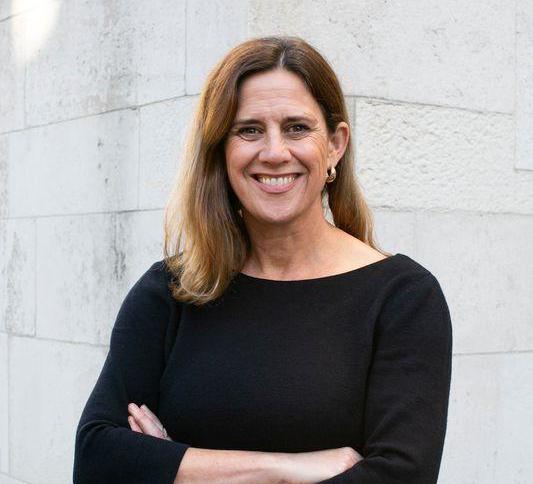 CIVICUS speaks about women’s rights and the United Nations (UN) Commission on the Status of Women (CSW) with Helen McEachern, CEO of the Cherie Blair Foundation for Women.
Established in 2008, the Cherie Blair Foundation for Women works with women entrepreneurs in low- and middle-income countries. It has already supported more than 200,000 women to start, grow and sustain successful micro, small and medium-sized businesses in over 100 countries.
What does the Cherie Blair Foundation do, and what challenges have you faced?
The Cherie Blair Foundation for Women works with women entrepreneurs in low and middle-income countries. We are committed to eliminating the global gender gap in entrepreneurship and creating a future where women entrepreneurs thrive.
As a UK-based charity working in international development and women’s economic empowerment, we are very concerned about the decision the UK government made in November 2020 to cut the UK overseas aid budget from 0.7 to 0.5 per cent of GDP. The impact of this decision on women and girls has been devastating. We welcome the commitment late last year to restore the women and girls’ development budget to what it was before the aid cut. The government should swiftly act on this commitment and restore the overseas aid budget, which will save lives and protect the rights of women and girls. We are also very much looking forward to the new gender development strategy due out from the Foreign, Commonwealth and Development Office later in 2022.
What issues did you try to bring into the CSW agenda?
It is estimated that it will take 268 years until women have equality in economic participation and much remains to be done to address economic gender injustices in women’s entrepreneurship, and more holistically when it comes to women’s economic empowerment. In real terms, this statistic means millions of women and girls are exposed to exploitation and are not able to increase the education and health outcomes of their children or enjoy their rights and the choices that come with financial independence.
The review theme of this year’s CSW was ‘Women’s Economic Empowerment in the Changing World of Work’. Our current advocacy efforts are focused on tackling gender stereotypes that affect women’s entrepreneurship. Gender stereotypes undermine women’s economic rights in multiple ways: they affect their aspirations, sources of support, opportunities, perceptions and access to resources such as finance and markets, and impact on the wider entrepreneurial ecosystem.
We wanted to use the 66th session of the CSW to recognise how gender stereotypes undermine women’s rights and embed strong calls for action in the session’s Agreed Conclusions.
Based on detailed survey responses from 221 women entrepreneurs across 42 low and middle-income countries, our recent report, ‘Gender Stereotypes and their Impact on Women Entrepreneurs’, reveals that gender stereotypes are part of the social background for women entrepreneurs, with 96 per cent of respondents saying they had directly experienced them. Overall, 70 per cent of respondents said that gender stereotypes have negatively affected their work as entrepreneurs. Nearly a quarter – 23 per cent – also experienced gender stereotypes or discriminatory remarks while trying to access finance for their business, and more than 60 per cent said they believe that gender stereotypes impact on their business growth and affect how seriously they are taken as business owners.
We also raised concerns about the challenges women face around entrepreneurship in the context of the COVID-19 pandemic. For women entrepreneurs, the pandemic has meant further reduced incomes, temporary and permanent business closures, dismissal of employees, missed business opportunities and reduced access to often already limited finance and capital.
Women-owned firms face additional barriers to accessing government support, and are more likely to close, with many citing difficulties with managing additional unpaid care work. Women-owned enterprises are overrepresented in sectors most vulnerable to the detrimental impacts of COVID-19 – such as retail, hospitality, tourism, services and the textile industry. That’s why we wanted to advocate to ensure that a strong focus on women’s economic empowerment and gender-transformational post-pandemic recovery was embedded in the CSW session’s final conclusions.
We also highlighted the unpaid care work that disproportionately affects women. Before the pandemic, women already spent about three times as many hours on unpaid domestic work and care work as men. The pandemic has increased the unpaid workloads – both for women and men – but it is women who are still doing the lion’s share. This impacts on the everyday lives of women in multiple ways, including by undermining women’s economic rights and opportunities, for instance, to access and pursue education, formal employment, entrepreneurship and leadership positions.
These themes are critical when we consider the enormous gender economic gap.
To what degree were your expectations regarding CSW met?
This was the first time the Foundation undertook advocacy at CSW, so it was definitely a learning experience for us – but a very positive one.
Our objective was to ensure that women’s entrepreneurship and gender stereotypes that affect women’s entrepreneurship and economic participation were raised, and that in addition to addressing gender justice, CSW’s final elaborations included commitments on these issues.
We decided to do this by organising a side event and by sharing our advocacy calls with permanent missions by email and through social media. I am very grateful for the collaboration and support from the excellent colleagues at the Permanent Mission of Rwanda to the UN, who hosted a side event with us. The side event was co-sponsored by the permanent missions of the Philippines and Sweden. We found many missions and colleagues receptive to this topic and willing to get involved.
As our advocacy focused largely on tackling gender stereotypes as a critical barrier for women’s rights and economic empowerment, we were delighted to see multiple references to gender stereotypes in the final agreed conclusions of CSW’s 66th session. Also, it was great to see commitments to adopt measures to reduce, redistribute and value unpaid care work.
Did you have the opportunity to participate fully, or did you experience any access issues?
We did not travel to New York but decided to undertake advocacy virtually given the pandemic. I think that being present in New York would have enhanced our advocacy. Yet I know the virtual format has also enabled more people to join, as advocating in person in New York is beyond reach for most civil society organisations (CSOs).
It is important to support partners from low and middle-income countries to attend and join these platforms – and provide sustained financial support to multi-year advocacy work in general. Changes in policies and practices rarely happen in a 12-month cycle or if you attend a global platform like CSW only once – advocacy takes time and a long-term commitment. It is only possible with funding to support a longer-term agenda.
As participation was fully virtual this year, we lacked direct engagement with UN member states as well as opportunity to connect, share and network with advocacy targets and other CSOs. Time zones can pose a challenge too, but many side events provided an option to receive the recording afterwards, which was a really great way to learn about different key themes if people weren’t able to make an event.
There is no way that online engagement can match in-person engagement, but if everyone is online then access is equal, and it does open more cost-effective avenues for many more grassroots organisations to join.
Do you think that international bodies, and specifically the UN, adequately integrate women in their decision-making processes?
I think the rhetoric of commitment to women’s political leadership and integrating women in decision making is there. Yet the right of women to participate politically and lead refers to participation in all levels and there are definitely gender gaps. I learnt at the CSW that only four women have been elected as president of the UN General Assembly in its 76-year history. Also, the UN has never had a woman Secretary-General. So there is more work to do to ensure women’s equal share and representation in decision-making processes at all levels. We also must make sure that the voice and agency of the most vulnerable women and girls is shaping the decisions of these international platforms. We have seen a rollback in advances in women’s rights in many areas, and thus feminist leadership and women’s political participation in UN processes are so critical. We know women’s political leadership can have an impact across many other areas where women lack opportunities and equal access.
One way to do better is to tackle gender stereotypes more effectively as they undermine women’s rights, opportunities and confidence. It is important to increase the understanding of how gender stereotypes shape women’s lives, including their access to decision making and leadership, and take concrete measures to prevent and eliminate gender stereotypes and their negative impacts, both in private and public spheres. Further efforts are also needed to promote women’s leadership and agency to address the underrepresentation of women and girls in policy-making platforms and processes.
Get in touch with the Cherie Blair Foundation for Women through itswebsite or itsFacebook andInstagram pages, and follow@HelenMcEachern and@CherieBlairFndn on Twitter.
-
CSW66: ‘Global-level policy-making is disconnected from women’s realities’

CIVICUS speaks about women’s human rights and the United Nations (UN) Commission on the Status of Women (CSW) with Wanun Permpibul of Climate Watch Thailand (CWT) and Misun Woo of the Asia Pacific Forum on Women, Law and Development (APWLD).
APWLD is an independent civil society organisation (CSO) committed to building feminist movements to advance women’s human rights and development justice in Asia and the Pacific as well as globally. CWT, a member organisation of APWLD, is a CSO that works with local communities and women to call for urgent climate action and climate justice.
What do you see as the main women’s rights issues in Thailand and the Asia Pacific region, and how does APWLD work to address them?
Women in Thailand still do not have access to political spaces. Women work on farms and take care of their families, but when policies are made regarding farm work and domestic work they are not engaged in policy discussions, either in the planning process or the implementation stages.
We tend to look at the symptoms of issues, in this case of the violations of women’s human rights, but we need to look at both the structural causes and the consequence of these violations and injustices. The exclusion of women in policy formulation and decision-making processes perpetuates gender injustices and rights violations. We need to shift power relations so that every person can exercise their inherent power with dignity. Most women do not have the opportunity to exercise their democratic rights and access political leadership because they are systematically undermined.
APWLD’s work consists of identifying the systems of oppression – patriarchy, fundamentalisms, militarism, colonialism and capitalism – and fighting to dismantle them while finding alternative solutions to advance women’s human rights and development justice. Through our work we have been able to build capacity and solidarity among feminist movements.
We focus on several thematic areas, including climate justice. Part of our work is about identifying and promoting the adoption of mitigation and adaptation strategies to advance women’s human rights as well as address the loss and damage and historical responsibilities. We see women experience the impacts of climate change disproportionately and they must be a source of solutions to help deal with the climate crisis. However, the reality is that they are not sufficiently engaged and the policies implemented in most instances do not cater to their needs and concerns.
What issues have you tried to bring into the CSW agenda this year?
This year’s focus for CSW’s 66th session (CSW66) was on the impact of climate change, environmental degradation and disasters on women’s human rights. We have highlighted the ways women have been experiencing the impacts of climate change and the solutions they have devised. What we really wanted to see highlighted at CSW66 was the acknowledgment of the root causes and consequences of climate change on women and their effects leading to widening inequalities and increasing violations of women’s human rights.
A very critical point we wanted to see addressed was loss and damage associated with impacts of climate change and delays in mitigation efforts. It would have been good if CSW66 had supported a financial mechanism to address loss and damage due to the climate crisis as well as an accountability mechanism to hold accountable those responsible for causing the climate crisis, particularly large fossil fuel industries. We need to address the root causes of climate change for our societies to achieve sustainability.
Another issue we wanted to highlight at CSW66 was the ongoing attacks against women human rights and environmental defenders in Asia and the Pacific in the context of the climate crisis. They are at the frontline of climate crisis, working day in and day out to raise awareness about and resist the catastrophic impacts of extractive industries and fossil fuel burning, and they must be protected.
What were your expectations, and to what degree were they met?
We had high expectations, even though so many restrictions were imposed due to the pandemic. We viewed CSW as a space or momentum to elaborate on the causes and the consequences of climate change, environmental degradation and disasters on women’s human rights. We expected it to meet the dual missions of advancing global commitments to address climate change and advancing women’s human rights, gender equality and women’s empowerment.
Unfortunately, CSW66 failed us on both counts. It did not look into the deeper causes of the climate crisis and the extent of its impacts on women’s human rights and gender equality. Mostly what it did was just add wording on climate change, environmental degradation and disasters at the end of the existing text of CSW66 conclusions. It failed to address the structural causes of the crisis, so the conclusions and recommendations are not designed to address and rectify those structural issues.
We need to pay attention to, for instance, how CSW66 Agreed Conclusions effectively let governments off the hook from their human rights obligation to regulate the private sector. Instead, they seek to strengthen the roles and responsibilities of the private sector and just encourage them to conduct human rights and environmental due diligence, where appropriate.
Another practical example is the net-zero goal included in the text. Most states are welcoming this goal that seeks to balance the amount of greenhouse gas produced and the amount removed from the atmosphere. In doing so, they are placing the responsibility of determining the future in the hands of those that are causing climate change.
If CSW66 were serious about addressing climate impacts and really thought this is a climate emergency, it would not go for a net-zero goal, which is buying time for those exploiting fossil fuels and polluting the planet to continue their business as usual, and would instead focus on the just and equitable transition to decentralised and renewable energy systems.
Did you have the opportunity to participate fully, or did you experience access issues?
We made a political decision to attend CSW66 in person, even though we were concerned about COVID-19 restrictions and there were lots of uncertainties regarding CSO participation in CSW66. The decision came from the fact that we, women from the global south, have lost significant opportunities and access to influence multilateral processes during the COVID-19 crisis.
Our experience is that CSW66 was not well organised, especially from the perspective of CSOs from the global south. It was all very uncertain and CSOs were not provided with enough information, while UN Women continuously advised us against traveling to New York. We were given access to the UN building only two or three days before CSW66 started. Only through an informal announcement we got to know that special event tickets would be distributed to two representatives per organisation with ECOSOC accreditation to access the conference room to observe. If the announcement had been made officially by the UN in time, it could have reached a larger audience of CSOs that had the right to be there.
We were also disappointed to see that CSOs continued to be excluded from the negotiation room. Civil society in the global south faces many structural restrictions on participation, including time constraints and language barriers. We really wanted to see CSW66 facilitate women’s meaningful and democratic participation, particularly because this year saw the negotiation of a Methods of Work resolution. However, this was yet another failure. To us, it was a further indication of how disconnected from women’s realities global-level policy making is.
If we compare CSW66 to other UN spaces, such as climate conferences, the lack of engagement between CSOs and national governments in CSW66 becomes readily apparent. It was challenging to have a dialogue with government representatives and negotiators because of the travel restrictions and the inability of some countries to participate in person.
Do you think that international bodies, and specifically the UN, adequately integrate women in their decision-making processes?
If we look at UN climate conferences, for instance, we will find that the proportion of women delegates is always low. Even though it has been increasing, it is still significantly small. We have seen attempts in successive climate conferences of the parties (COPs) to try and have a gender and climate focal point for every country, but the UN has not supported the initiative to introduce a protocol for national governments to implement it. The CSW66 Agreed Conclusions reiterate the need to have a gender and climate focal point in national governments. Thailand still does not have one.
Arrangements may be better for women in the global north, but from our global south perspective they are pretty bad. The CSW66 Agreed Conclusions note the importance of women’s and girls’ meaningful participation in decision making. However, the reality of women’s participation at CSW is far from encouraging.
It’s easier to say that UN Women or the CSW methods of work resolution encourage member states to include CSO representatives on their delegation. Many countries in Asia and the Pacific have seen a rise in autocratic and misogynistic leadership, and having CSO representatives on such government delegation is not something that will happen at all or in a meaningful way. It is not enough to hear the voices of women; women must be given actual power to make policy decisions grounded in women’s realities. This is the only way structural changes will happen.
Civic space in Thailandis rated ‘repressed’ by theCIVICUS Monitor.
Get in touch with APWLD through itswebsite or itsFacebook andInstagram pages, and follow@apwld on Twitter. Get in touch with Climate Watch Thailand through itswebsite or itsFacebook page, and follow@ClimateWatchTH on Twitter. -
CSW66: ‘Grassroots environmental defenders are highly underrepresented in decision-making’
 CIVICUS speaks about women’s rights and the United Nations (UN) Commission on the Status of Women (CSW) with Joy Hayley Munthali and Dorothy Kazombo Mwale of the Green Girls Platform.
Founded in 2018, the Green Girl Platform is a female-led civil society organisation (CSO) that advocates for climate justice for women and girls in Malawi by building capacity, providing leadership skills and promoting sexual and reproductive health rights.
What are the main women’s rights issues in Malawi, and how does Green Girl Platform work to address them?
In Malawi, women and girls are highly affected by the effects of climate change and environmental degradation due to their role in society. Girls are expected to help fetch firewood and get clean water for their households. Due to the effects of climate change, including erratic rains and depletion of natural resources, women and girls often have to walk long distances to find clean water and firewood. Because of these challenges, most girls are forced into early marriages and some drop out of school.
The vulnerability of women and girls to environmental degradation, as well as to sexual violence and exploitation and gender-related violence, is on the rise. This is happening due to a lack of understanding of the implications of climate change for their lives, lack of information, lack of leadership skills, low participation in governance structures, limited women-led climate-related platforms and a lack of understanding and application of their rights.
Women and girls are left out of decision-making processes although they are the ones who are most affected. The Green Girls Platform was founded to address the violence against women and girls that emanates from climate change and increase the number of women and girls engaged with climate change issues.
The Green Girls Platform is working to ensure that gender and women’s rights are placed on the local, national and global environmental and climate change agendas by advocating for gender-responsive governance and policies. We conduct capacity-building workshops and training on climate change to equip girls with skills and knowledge on climate justice and all it encompasses. Through our initiatives, we have been able to reach around 5,000 young women and girls in Malawi, increasing their active participation in addressing climate change.
What issues did you try to bring into the CSW agenda this year?
As an organisation we noticed that there is underrepresentation of young women and girls in decision-making processes. Their participation and active engagement in climate change governance structures is minimal. Structural changes are needed so that more women are included in decision-making bodies.
Climate change is affecting young women’s access to education, and we need to come up with adaptation strategies that work for girls and young women in their specific contexts. Strategies have to be sustainable and demand-driven to build the adaptive capacity of women and girls and enhance their access to education.
We are aware of the violence that girls and young women environmental defenders face either within their homes or in their communities. We would like to see the adoption of measures to protect the rights of adolescent girls and young women from climate-related violence. Civil society donors could help us navigate these challenges.
What were your expectations, and to what degree were they met?
Our expectations were that our concerns would be listened to and we would collectively come up with solutions to some of the overarching challenges. Although our needs were met to a good degree, we were not highly impressed by the output. But we are positive that things will improve.
In terms of access, we faced some challenges. Only one of our staff was able to attend the CSW sessions in person, and she did so for only three days due to insufficient funding. We also attended some online events, mainly side events, but we had issues accessing main events due to time differences and late notices, and because some of them were not open to civil society.
Do you think that international bodies, and specifically the UN, adequately integrate women in their decision-making processes?
UN Women has taken steps in the right direction in terms of integrating women into decision-making spaces. However, we still have challenges getting all voices represented at the table. Women and girl environmental defenders working at the grassroots level are highly underrepresented in decision-making spaces, even though they are the ones working at the local level and facing the adverse impacts of climate change. Access to climate financing for girls and young women working on climate issues is still minimal and inaccessible, leading to more issues falling through the cracks and not reaching decision makers.
Civic space in Malawi is rated ‘obstructed’ by the CIVICUS Monitor.
Get in touch with the Green Girl Platform through itsFacebook page and follow@GirlsPlatform on Twitter. -
CSW66: ‘UN member states should make efforts to honour their commitments at home’
 CIVICUS speaks about women’s rights and the United Nations (UN) Commission on the Status of Women (CSW) with Eucharia Abua, Senior Programme Officer on Gender and Reproductive Justice at African Girls Empowerment Network (AGE Network).
Founded in 2015, AGE Network is a young feminist civil society organisation (CSO) committed to advancing gender equality in girls’ education and promoting young women’s bodily and economic rights and leadership in Nigeria. It works to end child marriage and keep girls in school, and provides support to rape survivors, teenage mothers, victims of domestic violence and female genital mutilation, LGBTQI+ women, sex workers, women and girl refugees from Cameroon, internally displaced women and girls, and other economically disadvantaged and vulnerable women and girls.
What do you see as the main women’s rights issues in Nigeria, and how does AGE Network work to address them?
One of the main issues is women’s right to pregnancy by choice. In Nigeria, there’s an imbalance in the sexual and reproductive health and rights of women and adolescent girls. This is evident in the country’s discriminatory abortion law, which only allows medical abortion under certain circumstances. This strict law, alongside shame, social stigma and a lack of access to timely and non-judgemental information about safe, self-managed medical abortion and legal support, steers young women towards unsafe abortions.
Many young women with unintended pregnancies, particularly those in vulnerable settings and displaced communities who are pregnant as a result of sexual violence, rape or incest, and those with critical medical conditions who cannot carry a pregnancy to term, seek unsafe abortions from quack doctors in hideouts and become vulnerable to irreparable harm or death. This has contributed to the current maternal mortality ratio of 512 per 100,000 live births, according to a 2020 report by the Federal Ministry of Health.
To address this situation, AGE launched the #BellebyChoice campaign, an initiative to advance women’s and girls’ bodily rights and autonomy by securing their rights to pregnancy by choice, not by chance. The campaign seeks to curb unintended pregnancies by improving access to and uptake of family planning and modern contraception and end unsafe abortions through the provision of timely and non-judgemental information and legal support so that women can access safe and self-managed medical abortions. We have a dedicated hotline and use local and pidgin languages to address communication barriers in accessing sexual and reproductive health services among women and adolescent girls.
Additionally, since the beginning of the COVID-19 pandemic, AGE has stood in solidarity with vulnerable young women, including female sex workers, and has helped them access timely sexual and reproductive health services. We partnered with Women First Digital and incorporated their AllyChatBot for safe abortion via WhatsApp into our campaign. So far they have supported our efforts to end abortion stigma and help young women access non-judgemental sexual and reproductive health information and care through their mobile phones.
In the face of COVID-19, we have also advocated with the Nigerian government to relax the discriminatory abortion law. We have campaigned and engaged with key stakeholders to call on the government to set aside laws and policies that restrict access to safe abortion and allow the use of telemedicine and self-managed abortions in line with the guidelines put forward by the World Health Organization.
Why do you think the Nigerian government is not sufficiently responsive to women’s rights demands?
Here is where another major women’s rights issue comes in: there’s a great imbalance in female representation and too many obstacles prevent women from having effective political participation. Inclusive governance is still a pending issue in Nigeria, and it continues to face strong resistance. For instance, just this March, Nigeria’s Senate and House of Representatives rejected proposed bills to grant additional legislative seats to women and other forms of affirmative action.
This is also apparent in the area of climate justice and environmental protection: rural women form the majority among farmers, but they have not been fully integrated or carried along in the process to develop the national climate change mitigation and adaptation action plan.
What issues have you tried to bring into the CSW agenda this year?
This year AGE has called for climate justice, in the form of a more inclusive climate change mitigation and adaptation action plan. This was the official theme for International Women’s Day 2022 (IWD 2022), to which the priority theme for the CSW’s 66th edition (CSW66) was closely aligned.
We carried out an online campaign, joined our civil society partners’ side events at CSW66 and hosted a virtual summit to commemorate IWD2022, in which we reflected on climate change and its disproportionate impact on women and girls, reviewed the progress made so far in mitigating climate change in Sub-Saharan Africa, celebrated women’s achievements, raised awareness of gender bias, engaged leading feminists working on climate justice and environmental protection in both government and the private sector in discussion and called for investment in Nigeria’s renewable energy sector.
Against all odds, women in Nigeria have played a key role in addressing the impacts of climate change and advancing climate justice. However, in spite of their contributions, women and girls – and particularly those in vulnerable settings and displaced communities – are still being disproportionately affected by the lack of climate action.
What were your expectations of CSW and to what degree have they been met?
Our expectations were to be able to connect, collaborate with and learn from women’s rights organisations and activists from around the world, joining together in a unified call for climate justice.
We re-echoed the achievements and contributions of our women, reviewed the reality and impacts of climate change on women, and called for a more level playing field and gender-responsive climate change mitigation and adaptation for a sustainable future for all.
But we were unable to participate fully due to internet connection problems and time zone differences during most of the events.
Do you think that international bodies, and specifically the UN, adequately integrate women into their decision-making processes?
As the leading international body, the UN has created an enabling environment for women’s participation in leadership and decision making and inclusive governance, including through Sustainable Development Goal number 5 on gender equality. However, UN member states should match this with efforts to honour their commitments at home, reducing gender inequalities, tackling human rights violations, and upholding the rule of law.
Civic space in Nigeria is rated ‘repressed’ by theCIVICUS Monitor.
Get in touch with the African Girls Empowerment Network through itswebsite or itsFacebook page, and follow@TheAGENetwork on Twitter. -
CSW66: ‘Violence against women continues at pandemic levels in the UK as elsewhere’
 CIVICUS speaks about women’s participation and the United Nations (UN) Commission on the Status of Women (CSW) with Zarin Hainsworth, director of the National Alliance of Women's Organisations (NAWO), a UK civil society network that works for women’s empowerment by advocating for women’s rights at the national and international levels.
What do you see as the main women’s rights issues in the UK, and how does NAWO work to address them?
In the UK there is a lack of an institutional mechanism for the advancement of women’s rights. The Women’s National Commission, which used to be an independent advisory body that represented women and made sure their views were heard by the UK government, was closed by the Conservative government in December 2010.
The Government Equalities Office (GEO), established in 2007, is identified by the government as the institutional mechanism although the Convention on the Elimination of all Forms of Discrimination Against Women (CEDAW) Committee continues to question this. The GEO is a department of government, with employees who are civil servants and all communications must abide by the usual government codes with all reports agreed by ministers. It cannot therefore claim to be independent. Some civil society members have complained that there is a lack of consultation with them and this affects how women are included in the policy-making process. Furthermore, GEO does not have remit in devolved nations, meaning it does not cover Northern Ireland, Scotland or Wales. The CEDAW Committee has raised concerns about the UK not being compliant with the treaty, but the government responded that they are adequately provisioned by the GEO.
The UK Civil Society Women’s Alliance has a good relationship with the GEO, especially in regard to CSW, which we believe to be an example of best practice. However, many would argue that in light of the recommendations of CEDAW and the definition within the Beijing Platform for Action, there is still need for an independent body representing the voice of women and girls to government. NAWO would suggest that it is well placed to be such an organisation.
Violence against women continues at pandemic levels in the UK as elsewhere in the world. Sexism is institutionalised in the police force, but this is still a postcode lottery – how women are treated depends largely on where they live. Rape is still underreported and too few cases get to trial, and adolescent girls are not taught about gender-based violence. NAWO is part of the End Violence Against Women Coalition, which seeks to create awareness of these issues and urge the government to address them. Recently a number of members of Parliament have raised awareness on this issue and the government is keen to state it is in the process of effecting positive change in this regard.
We are aware that the UK has not ratified the Istanbul Convention, the Council of Europe Convention on preventing and combating violence against women and domestic violence. The government says that the new Domestic Violence Bill covers the same ground as the Istanbul Conversion, but civil society groups working on women’s rights and gender-based violence claim that the Bill does not robustly cover all the areas of the Istanbul Convention. NAWO is part of IC Change, a campaign pushing the UK government to ratify the Istanbul Convention; in the past, we also participated in advocacy work towards legislation to implement the Istanbul Convention across the UK.
Regarding employment, occupational segregation continues to hinder women from progressing and becoming leaders in their workplaces. Despite efforts to increase the presence of girls in the areas of science, technology, engineering and mathematics (STEM), women still do not occupy equitable work positions because of pre-existing structures put in place to accommodate men rather than women.
Finally, there is evidence that women’s voices are not heard in the health sector and that women are suffering the most when services and budgets are cut. Health education is biased towards the male experience and female indicators of stroke or heart attack are only slowly starting to be taught in medical school. Most drug trials are based on male responses.
NAWO raises awareness of these issues through coalition-building and advocacy work. We also engage government stakeholders to ensure they are aware of these issues and put mechanisms in place to promote women’s equity and rights.
To address these issues at CSW, NAWO has helped establish and worked within the UK Civil Society Women’s Alliance, seeking ways of working with the government to promote equality and ensure that women’s rights are advocated for at CSW. As an organisation, we have understood the need to develop a good relationship with the GEO and we are developing relationships across the government to advance our advocacy work.
What issues did you try to bring to the CSW agenda this year?
We are aware that CSOs are not adequately involved in the decision-making process, and we highlighted a need to involve grassroots organisations in policy formulation stages because they are the ones that truly know what people’s needs are. We wanted to bring to attention the fact that many CSOs are restricted by their national governments and cannot carry out their work effectively. Governments and international bodies must support CSOs and integrate them into policy-making processes.
We have seen COVID-19 affect marginalised women and girls disproportionately, so this is an issue we emphasised at CSW this year. The pandemic revealed pre-existing gender gaps regardless of mechanisms put in place to promote women’s empowerment. Women from marginalised groups did not have access to proper healthcare and their employment chances have severely decreased. Pandemic recovery structures are not working for them because they are being put in place with little to no consultation with them.
We also raised the concern of women’s access to decent work. There is a need to promote the participation of women in the labour force, but this should be done in an inclusive manner and with respect for human dignity. Many women still struggle with sexual harassment at work and there are not enough measures in place to counter this. Women have much lower prospects of advancing at work than their male colleagues. We hope CSW will see the need to help women in the workforce and find sustainable and realistic ways to protect them.
As we have done every year since 2005, we enabled a youth delegation and we are keen to ensure the informed voice of young women is present at CSW.
What were your expectations, and to what degree were they met?
We wished to work and collaborate with other CSOs with the aim of bringing women’s issues to the forefront and promoting women’s empowerment. In our opinion, we were successful in that regard. We also wanted to reach out to UN member states, and to some extent we were successful in that regard as well.
We hosted side events that offered young people a space to talk about the issues they experience and how they affect them. In these side events we were able to discuss how women experience climate change and their views and demands concerning gender equality, sustainable development and women’s empowerment.
We participated virtually and faced some issues concerning broadband and connectivity issues. We believe there were challenges with the online platform and most CSOs had problems accessing it.
Do you think that international bodies, and specifically the UN, adequately integrate women in their decision-making processes?
We believe women are still not adequately integrated in decision-making processes both at the national and global levels. Many plans have been put in place to ensure women are in decision-making positions. These are always good in theory, but their implementation does not necessarily go accordingly. This could be due to lack of commitment and accountability from international bodies. Hopefully as time progresses, we will see real change. But for the time being we believe the UN system needs reforming.
Civic space in the UKis rated ‘narrowed’ by theCIVICUS Monitor.
Get in touch with NAWO through itswebsite or itsFacebook andInstagram pages, and follow@NAWOorg on Twitter.